What Are Photochromic Lenses? Where They Struggle

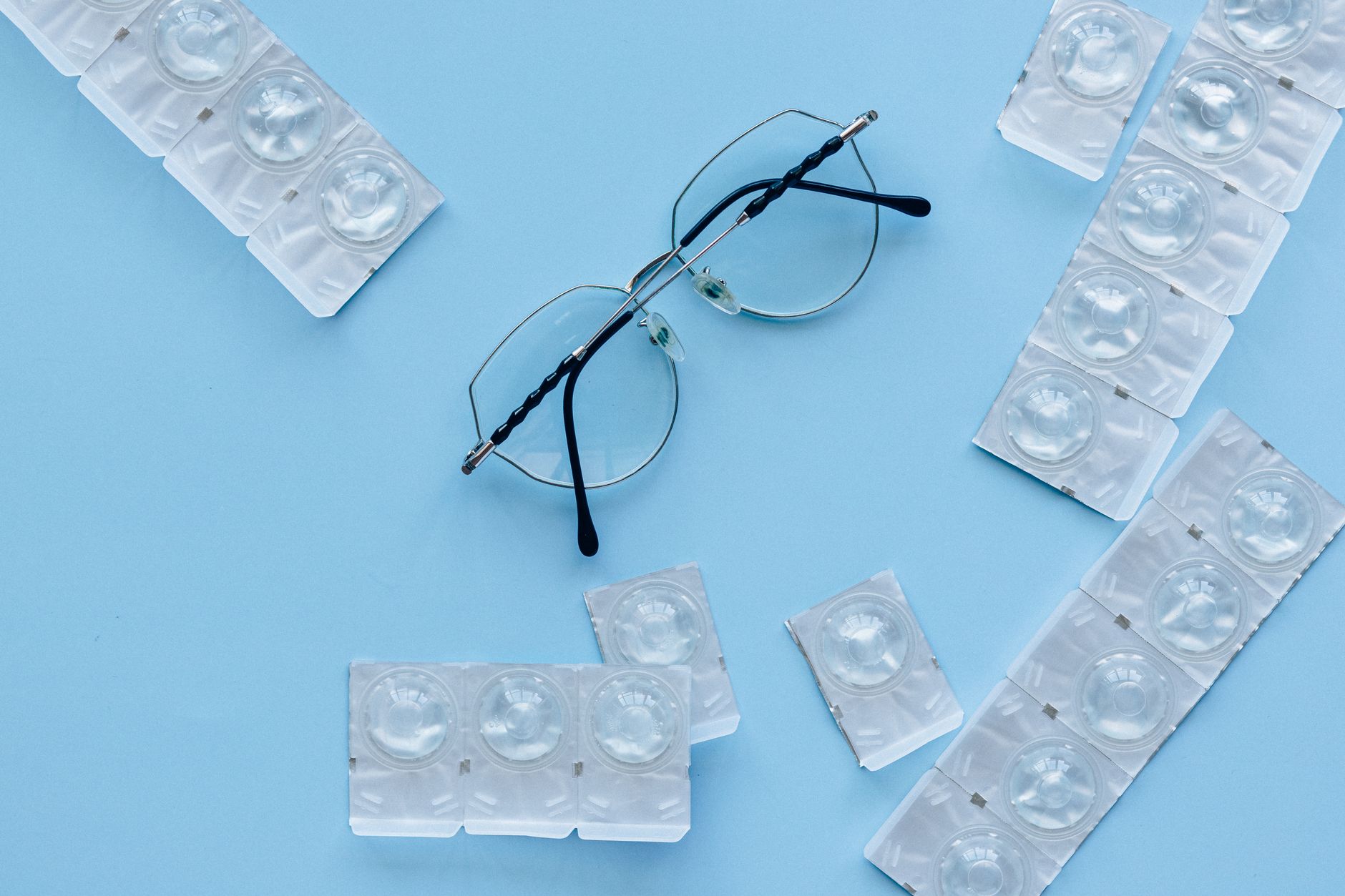
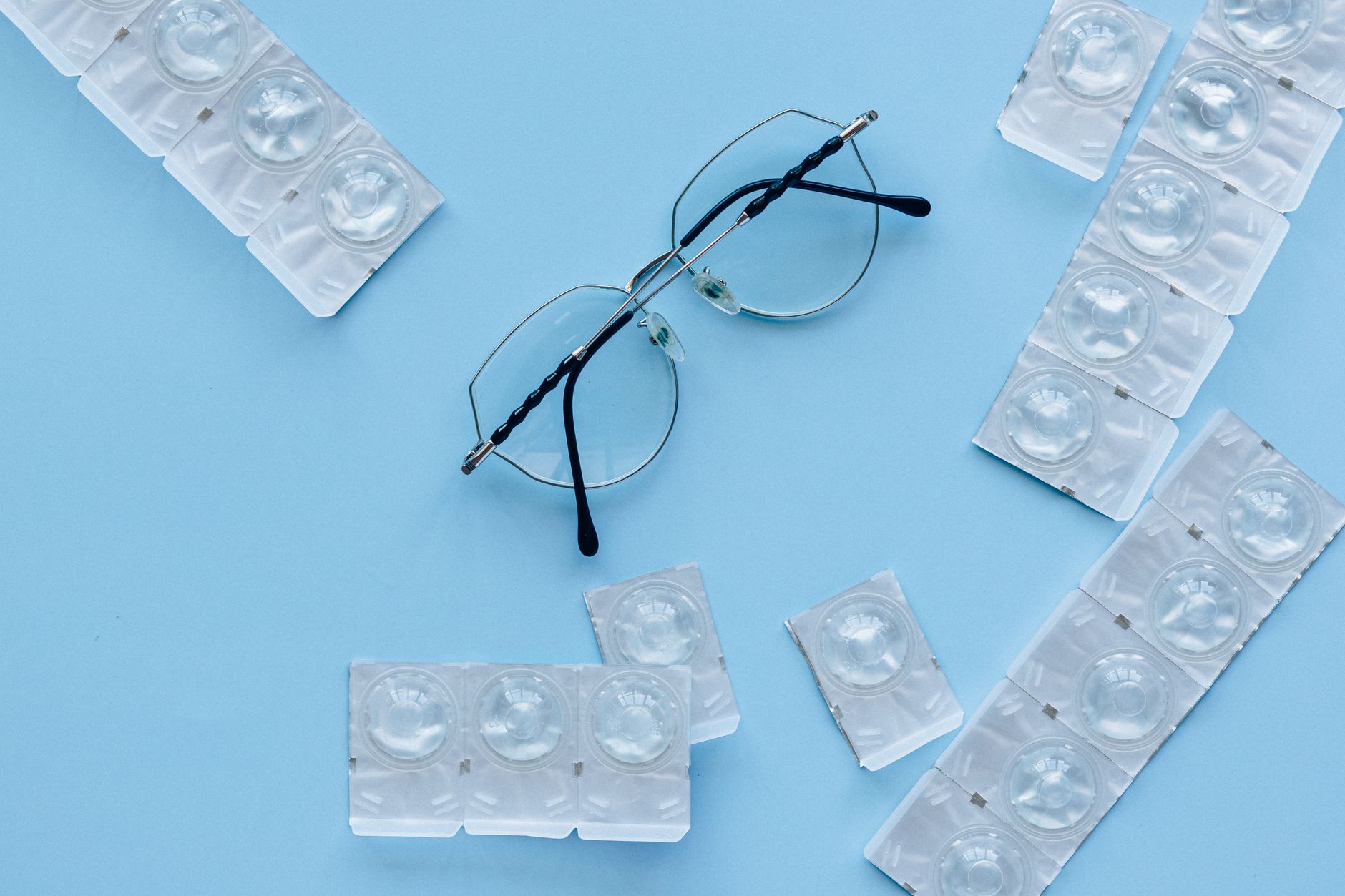
Eyeglasses and contact lenses on a blue background. Concept of eye care and vision correction. — illustrating What Are Photochromic Lenses? Where They Struggle

Photochromic lenses are clear (or nearly clear) indoors and darken automatically when exposed to UV light outdoors, then fade back as UV drops. The reaction is triggered by ultraviolet radiation, not visible brightness — which is exactly why they struggle behind glass, in a heated car, or in very cold weather. What are photochromic lenses, … Read more

When Are Polarised Lenses a Bad Idea? A Real Answer

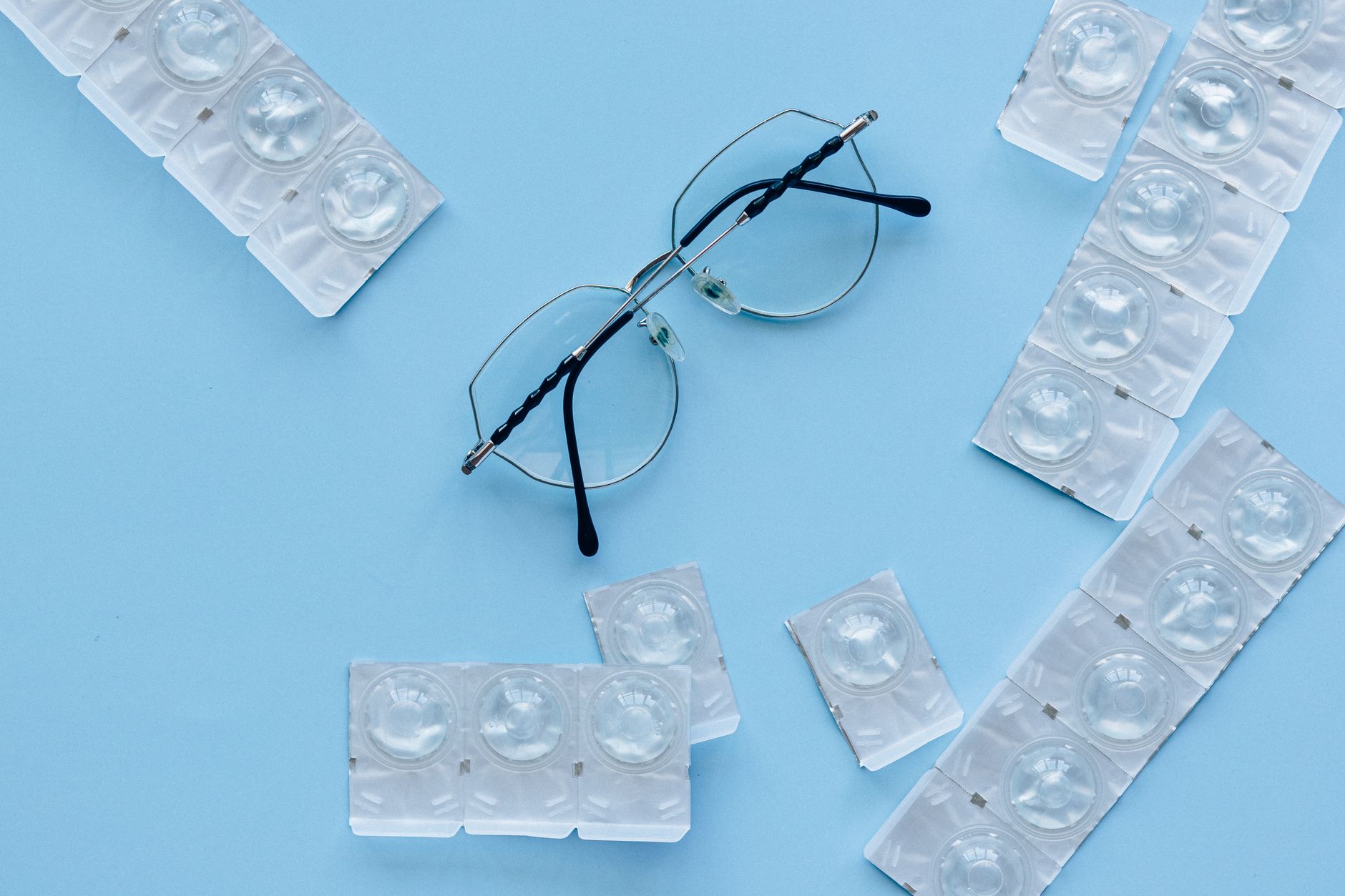
Eyeglasses and contact lenses on a blue background. Concept of eye care and vision correction. — illustrating When Are Polarised Lenses a Bad Idea? A Real Answer

Polarised lenses are a bad idea whenever the situation depends on you reading a screen, an instrument panel, or an icy patch through glare. Polarisation works by blocking the horizontal glare that bounces off flat surfaces — water, tarmac, snow — but that same trick can hide useful information or wash out digital displays, which … Read more

What Do Polarised Lenses Actually Do? A Real Answer

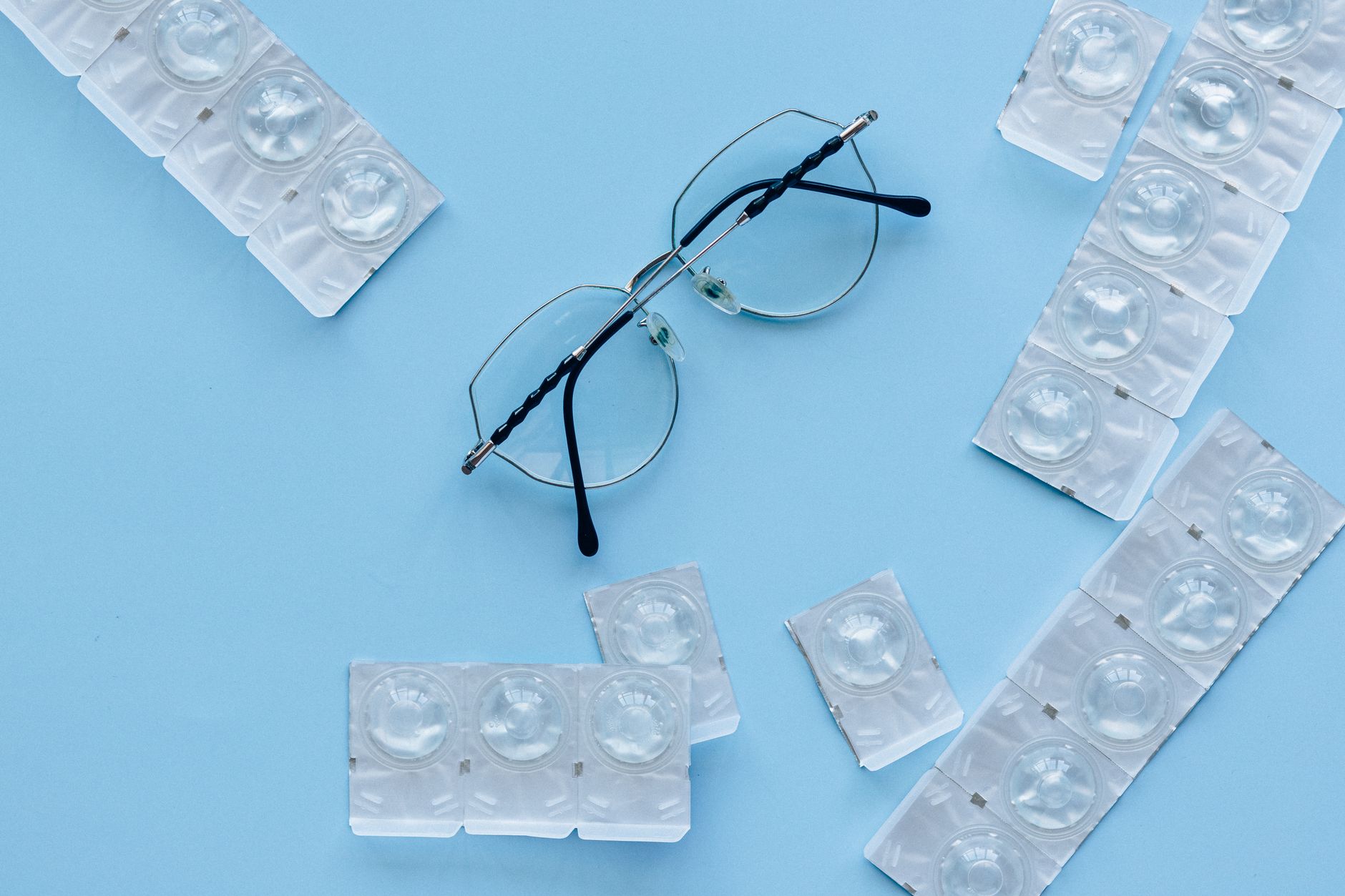
Eyeglasses and contact lenses on a blue background. Concept of eye care and vision correction. — illustrating What Do Polarised Lenses Actually Do? A Real Answer

Polarised lenses contain a chemical filter, embedded in or laminated onto the lens, that blocks horizontally oriented light waves — the kind that bounce off flat, reflective surfaces like water, wet tarmac, glass and car bonnets. That reflected glare normally arrives as an intense, uniform band; the filter absorbs most of it, so what reaches … Read more

About what you read here. Everything on The Designer Glasses is general information and our own editorial opinion. We research carefully and we say when the evidence is unclear, but we can be wrong, things change, and no article can know your particular situation. Please do your own research and make your own judgement rather than treating anything here as the final word. This is not medical advice, not a diagnosis, and not a substitute for speaking to an optometrist, optician or eye doctor about your own eyes, vision and eyewear. We are writers and researchers, not clinicians. We do not recommend prescription treatments or give doses. If something is painful, getting worse, or worrying you, please talk to a professional — going early is not an overreaction.