What Is Plating on Glasses, and Why Does It Wear Through?

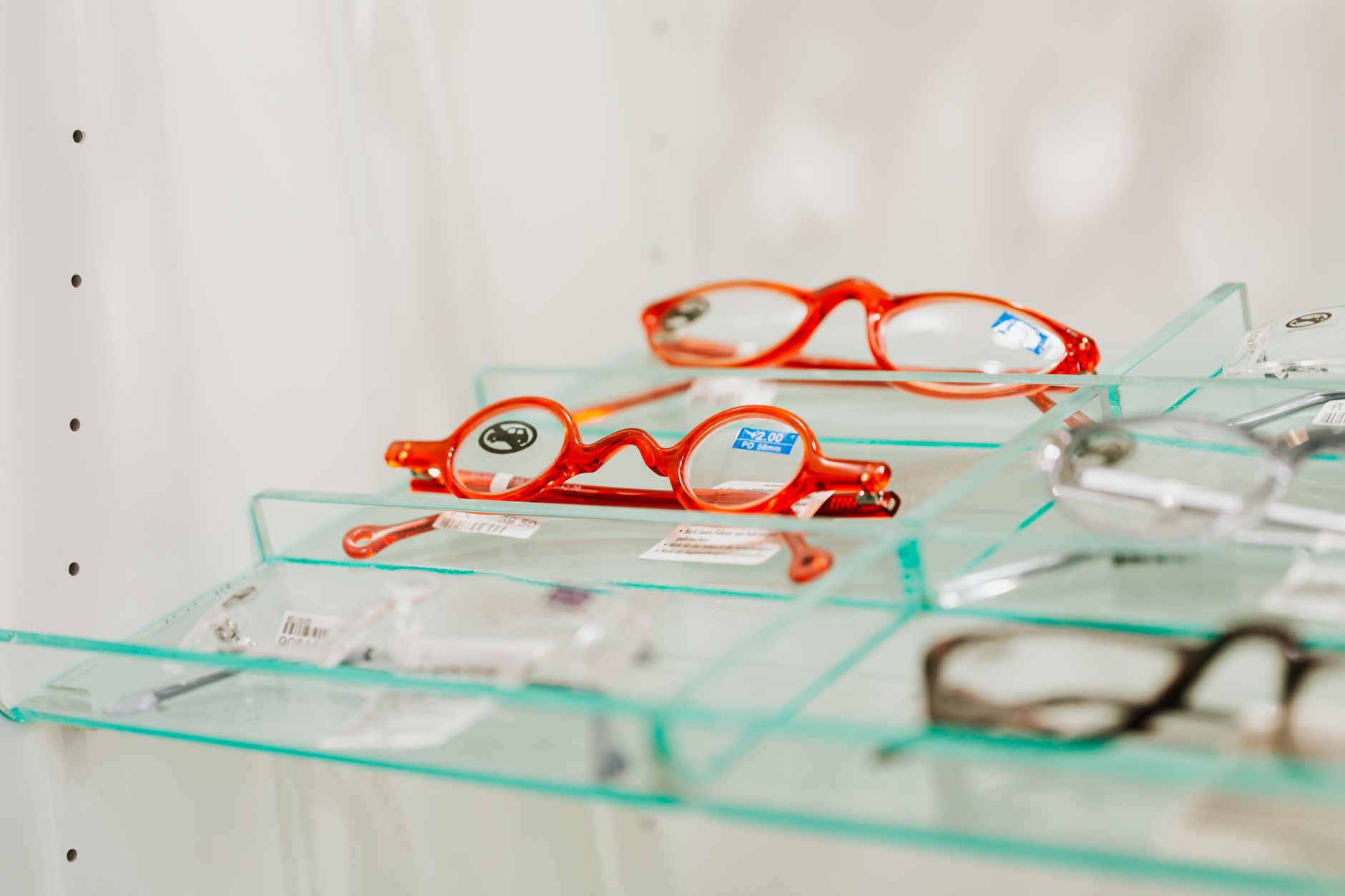
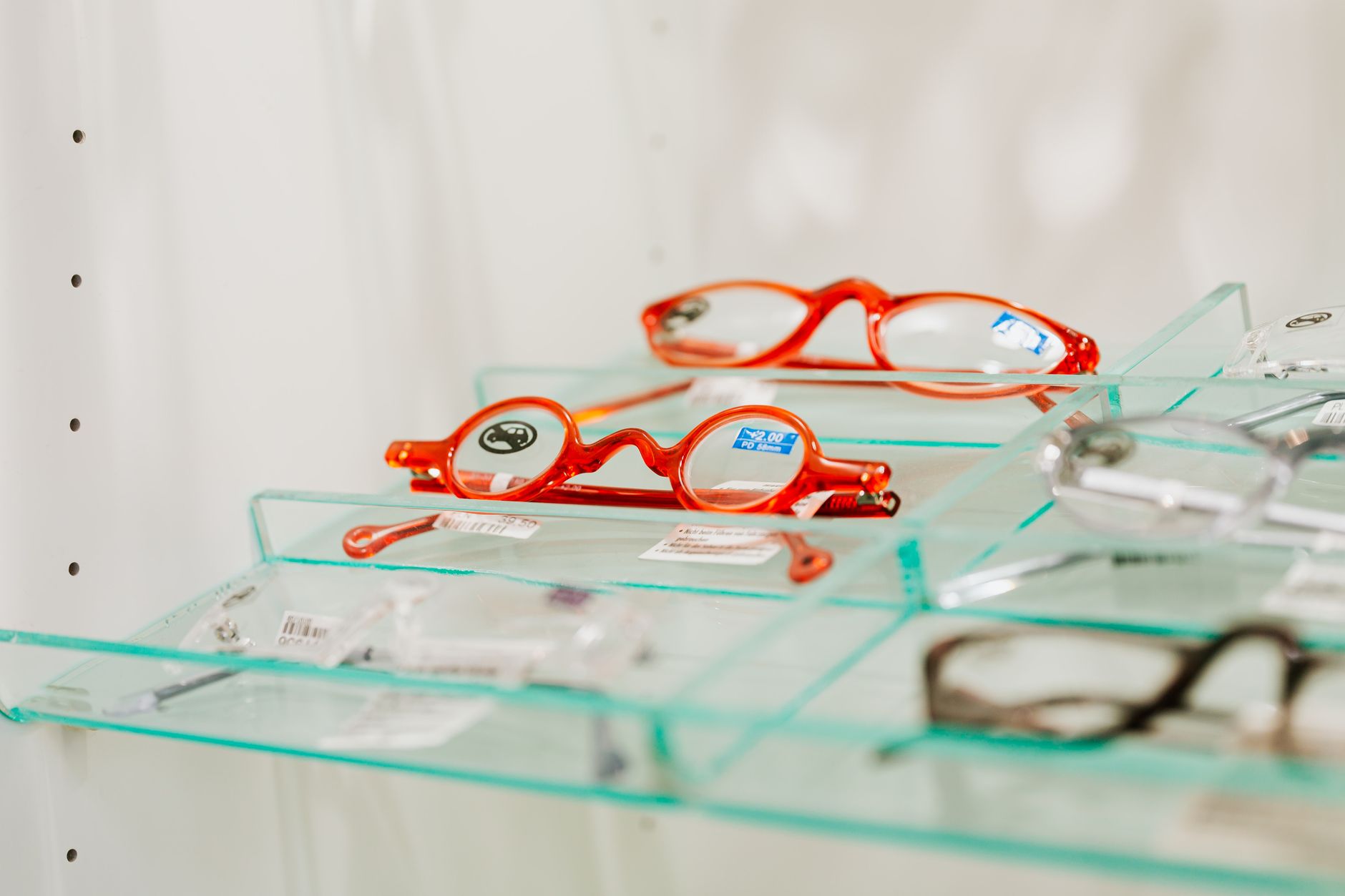
Stylish red eyeglasses displayed on a glass shelf in an eyewear store. — illustrating What Is Plating on Glasses, and Why Does It Wear Through?

Plating is a thin layer of metal — usually gold, palladium, rhodium or a coloured alloy — deposited electrochemically over a base frame metal to give it colour, shine or corrosion resistance. It wears through because it is genuinely thin, measured in microns, and every point where the frame touches skin, hair or a cleaning … Read more

Why Do Some Glasses Frames Yellow or Go Brittle With Age?

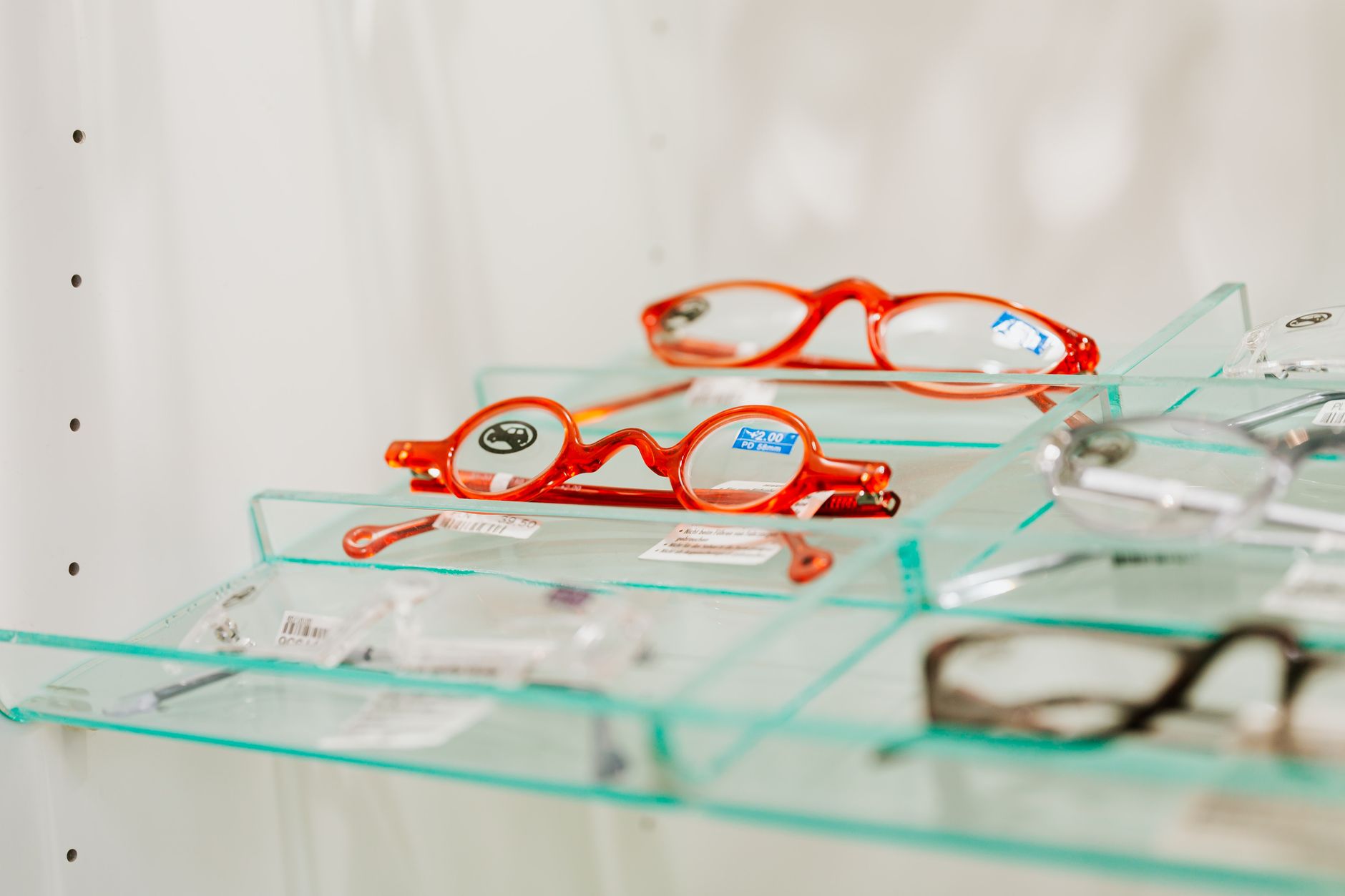
Stylish red eyeglasses displayed on a glass shelf in an eyewear store. — illustrating Why Do Some Glasses Frames Yellow or Go Brittle With Age?

Frames yellow and go brittle because the material they’re made from is slowly breaking down at a chemical level. Most plastics used in eyewear contain plasticisers and stabilisers that keep them flexible and clear. Over years, those additives migrate out, oxidise, or degrade under UV and heat — leaving a frame that looks amber and … Read more

What Is Stainless Steel Like as a Frame Material?

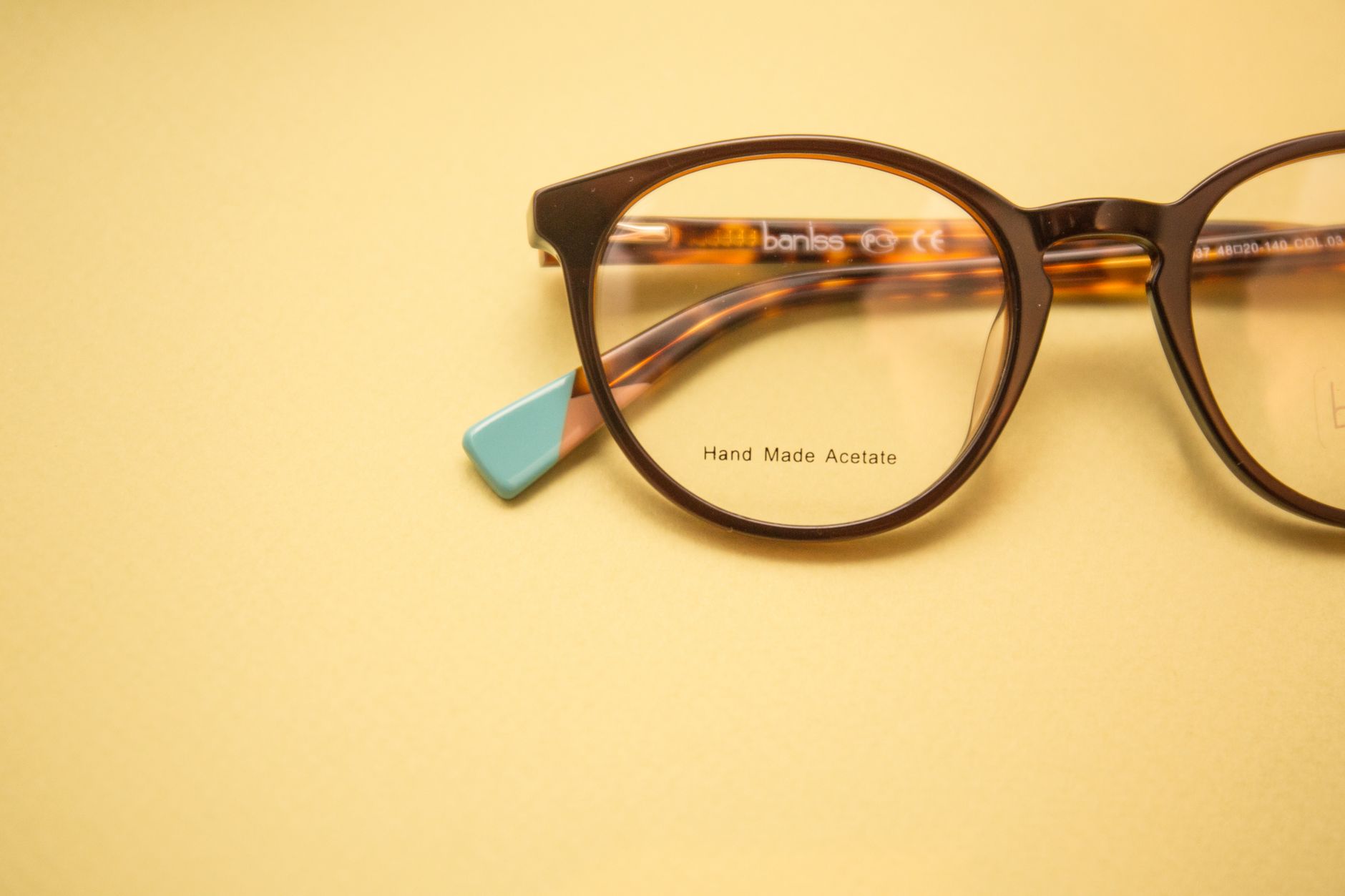
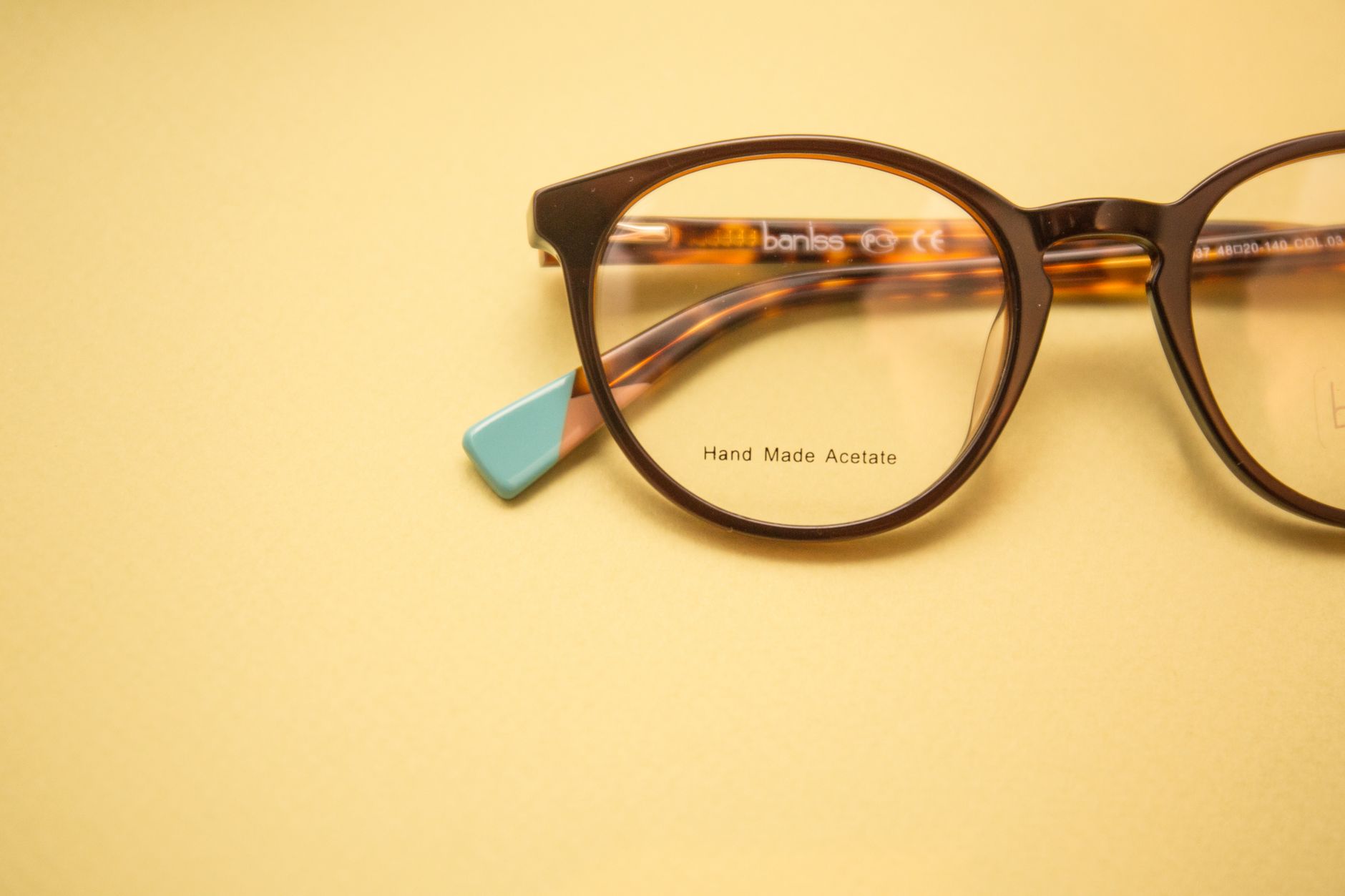
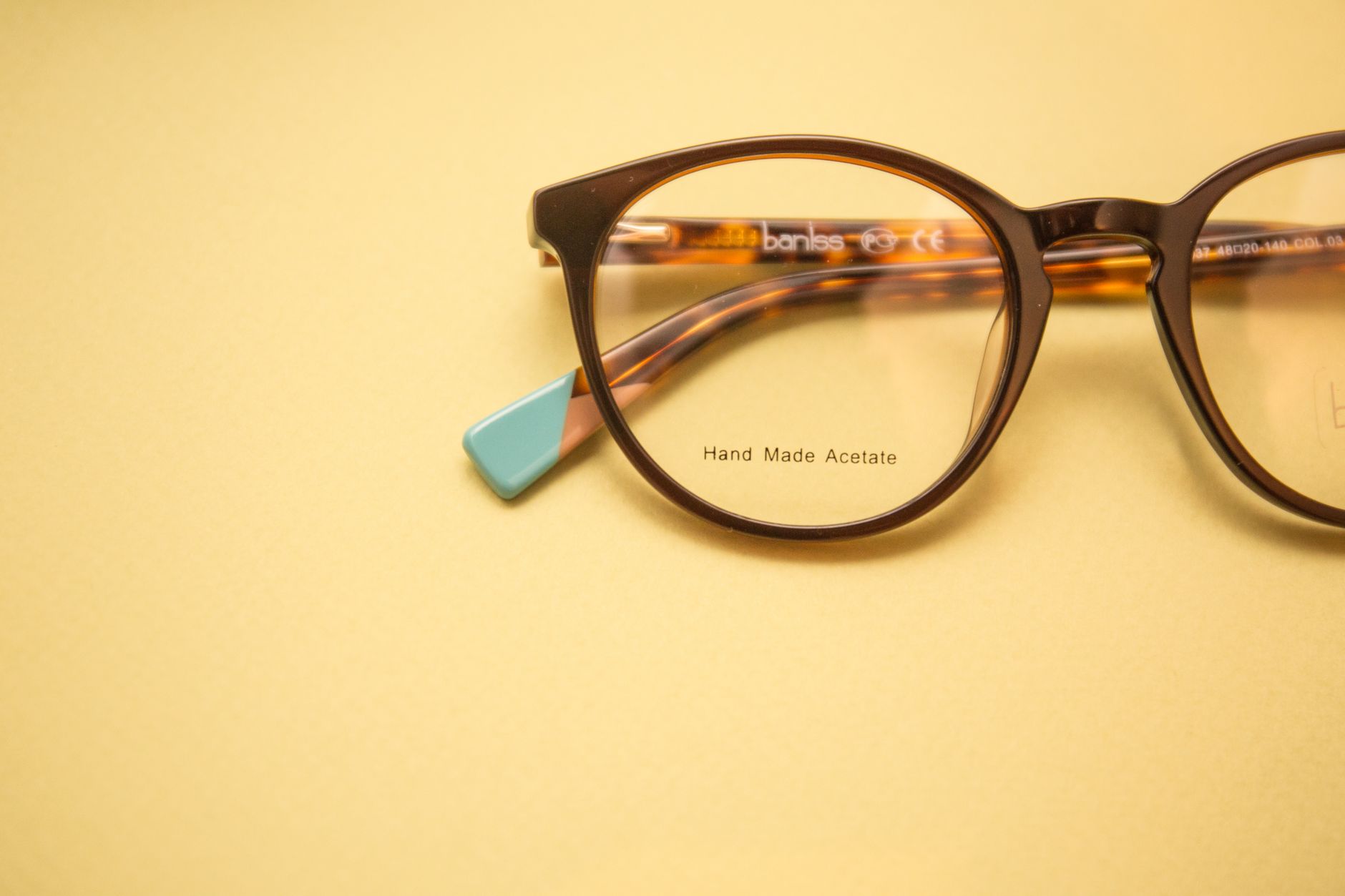
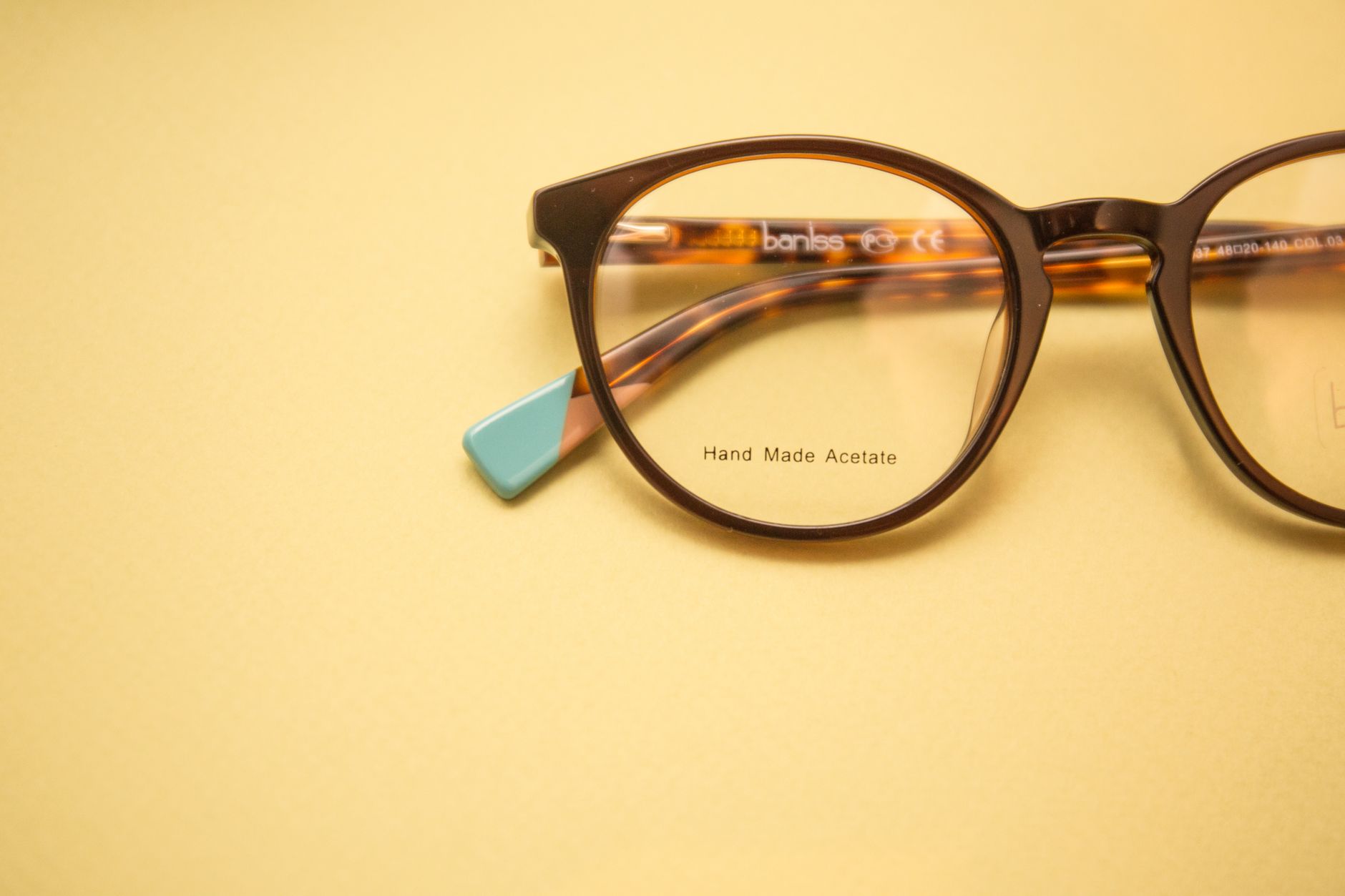
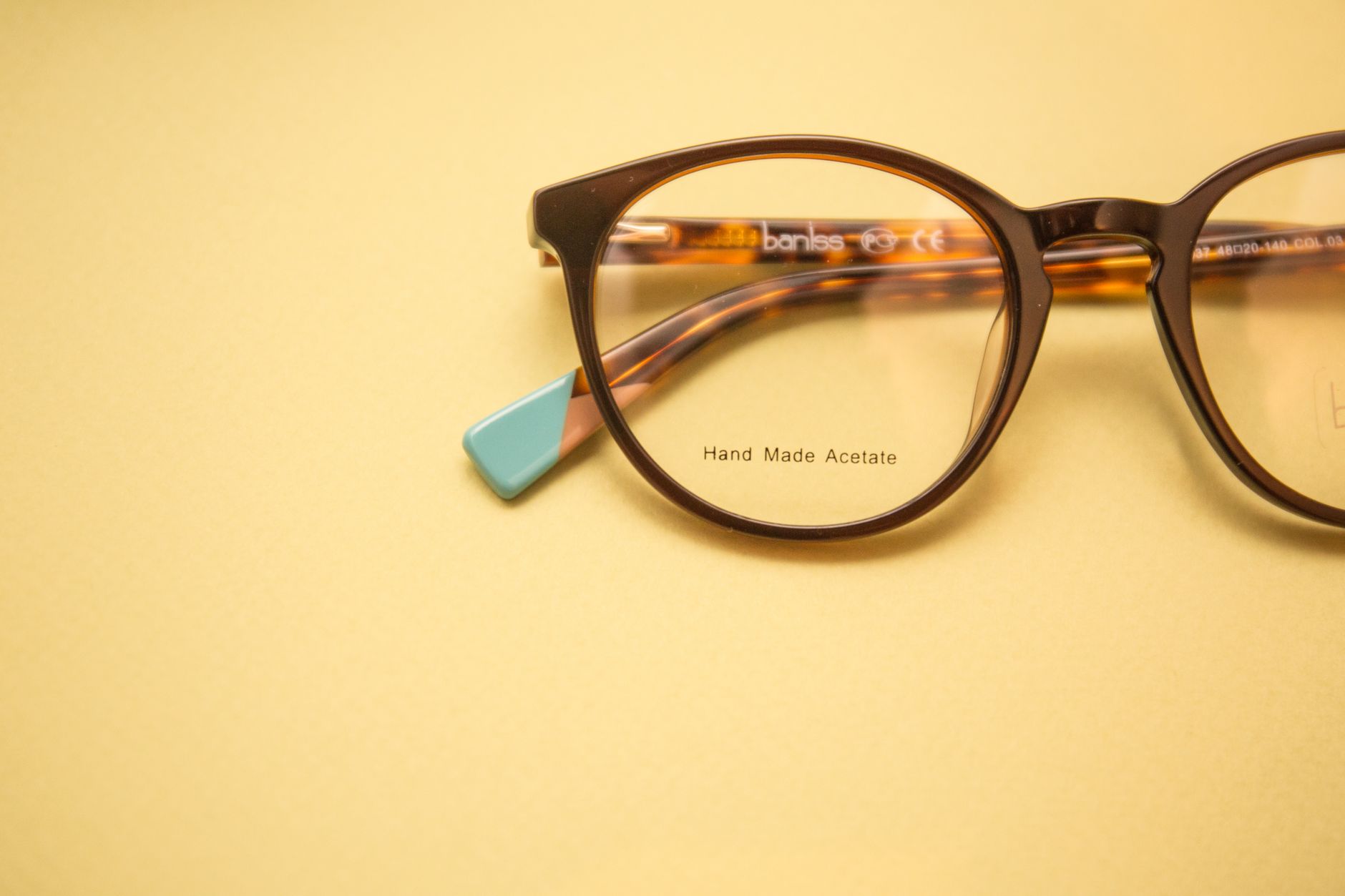
Close-up of handmade acetate brown eyeglasses on a yellow surface, modern design. — illustrating What Is Stainless Steel Like as a Frame Material?

Stainless steel in glasses is a durable, corrosion-resistant frame metal that sits between everyday alloys like Monel and premium options like titanium — stronger than most budget metals, heavier than titanium, and largely immune to the rust and skin discolouration that cheaper metal frames can develop over time. What exactly is stainless steel in a … Read more

About what you read here. Everything on The Designer Glasses is general information and our own editorial opinion. We research carefully and we say when the evidence is unclear, but we can be wrong, things change, and no article can know your particular situation. Please do your own research and make your own judgement rather than treating anything here as the final word. This is not medical advice, not a diagnosis, and not a substitute for speaking to an optometrist, optician or eye doctor about your own eyes, vision and eyewear. We are writers and researchers, not clinicians. We do not recommend prescription treatments or give doses. If something is painful, getting worse, or worrying you, please talk to a professional — going early is not an overreaction.