Stainless steel in glasses is a durable, corrosion-resistant frame metal that sits between everyday alloys like Monel and premium options like titanium — stronger than most budget metals, heavier than titanium, and largely immune to the rust and skin discolouration that cheaper metal frames can develop over time.
What exactly is stainless steel in a frame?
It’s an iron-based alloy with a meaningful proportion of chromium, which is what gives it the corrosion resistance the name promises. Eyewear generally uses grades from the same families used in cutlery and watch cases — chosen for a workable balance of strength, weight and finish rather than for one standout property.
That puts it in a different category from the nickel-heavy alloys, like Monel, that dominated mid-market metal frames for decades. Stainless steel doesn’t need a protective plating in the same way Monel typically does, because the chromium content does that job from within the alloy itself.
How does it feel on the face compared to titanium?
It feels noticeably denser. Stainless steel is heavier than titanium at a comparable gauge, so a full-rim stainless frame will sit with more presence on the nose and more weight resting on the ears by the end of a long day.
That’s not automatically a problem — plenty of people like the substantial, slightly cool feel of a metal frame and never think about the weight. But if a frame has felt like it’s dragging on the face after several hours, the material is one of the first things worth checking, alongside the fit itself. There’s more on why that happens in Why Heavy Frames Feel Worse by the End of the Day.
Is stainless steel hypoallergenic?
Most stainless steel alloys used in eyewear contain very little free nickel, which makes reactions far less common than with older nickel-based frame metals. It isn’t an absolute guarantee for every sensitive wearer, but it’s a genuine practical advantage over cheaper alloys.
Anyone who has had a reaction to metal jewellery or older glasses is better off raising it with an optician in person, since sensitivities vary and only they can assess a reaction properly. This is a comfort and skin question, not a vision one, but it’s worth taking seriously rather than guessing.
How does it compare to titanium and beta-titanium?
Titanium and its more flexible cousin beta-titanium are lighter and spring back from bends more reliably, which is why they carry a price premium. Stainless steel doesn’t match that memory-like flex — pushed too far, it will bend and stay bent rather than return to shape — but it resists the kind of everyday knocks that would deform a softer metal, and it costs a fraction of what titanium does.
The full picture on titanium’s specific advantages is covered in What Is Titanium, and What Does It Buy You in a Frame? — useful reading if weight, rather than budget, is the deciding factor.
- Titanium and beta-titanium: lighter, better spring-back, higher cost
- Stainless steel: heavier, dents rather than springs, low nickel content, mid-range cost
- Monel: lightest on the wallet, usually plated, more prone to corrosion if the plating wears
Does stainless steel hold its shape over time?
Reasonably well, within limits. It resists warping from heat and everyday handling better than thin acetate or a soft alloy, which is part of why it’s a common choice for frames that need to survive being folded and unfolded dozens of times a day without the hinge area loosening.
Where it struggles is a hard, direct bend — sat on, stepped on, or wrenched at an odd angle. Metal doesn’t fail gracefully the way a well-made acetate frame can flex slightly and recover; it tends to hold whatever shape it’s forced into. An optician can usually correct minor misalignment, but there’s a limit to what any material can be pushed back from — worth understanding before assuming a bent frame is a lost cause, covered in Can Glasses Be Adjusted, and What Can’t Be Fixed?
What finishes and looks does stainless steel allow?
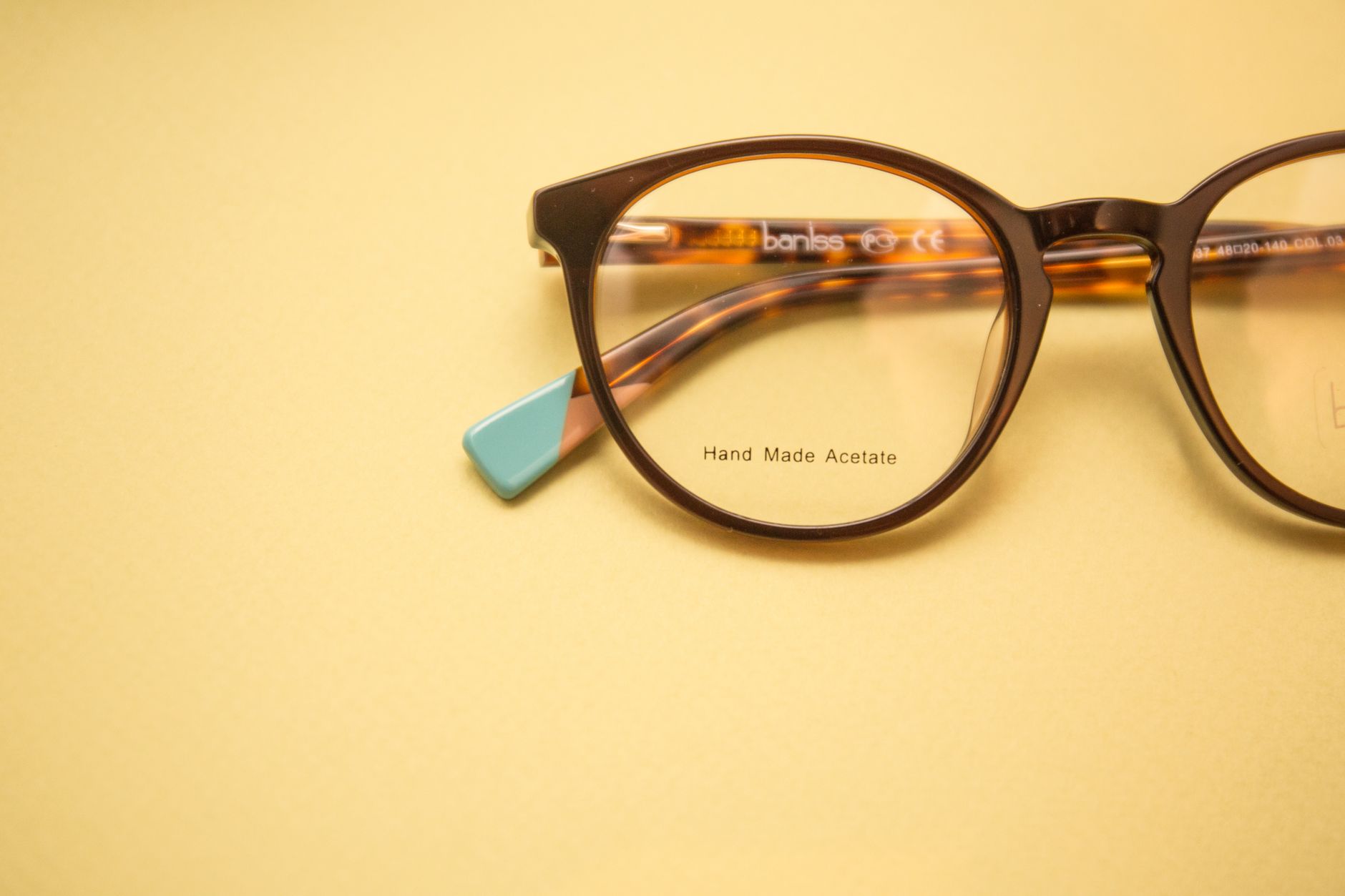
It takes plating and colour well, which is part of its appeal to designers. Brushed steel has a cool, understated, slightly industrial look that reads differently from the warmer tone of gold-plated Monel or the muted grey of titanium. Because the base metal is stable, colour coatings tend to hold up rather than flaking the way plating over a cheaper base sometimes does.
It shows up across a wide range of shapes — thin wire aviators, fine-rimmed panto frames, and the delicate double-bridge styles that depend on a metal strong enough to stay thin without buckling. The broader question of what reads as considered rather than cheap in a metal frame is explored in What Makes a Frame Look Expensive?
Where does stainless steel actually make sense?
It’s a sensible choice for anyone who wants a metal frame’s clean lines and durability without titanium’s price, and who isn’t especially sensitive to a bit of extra weight. It’s common in mid-range prescription frames and in the metal components of otherwise plastic or combination builds — hinges, temple cores, the metal parts of a rimless or half-rim frame — precisely because it takes daily stress without fatiguing.
It’s a less obvious choice for someone who’s found metal frames uncomfortable behind the ears in the past, since a heavier temple can put more pressure on that spot. That’s often a fit and pad issue rather than a metal issue outright — see What Causes Glasses to Pinch Behind the Ears? and What Are Nose Pads For, and When Do You Need Adjustable Ones? — but it’s worth trying a titanium equivalent side by side before assuming the shape is the problem rather than the material.
What should you actually compare when trying frames on?
Material is one variable among several, and it’s easy to over-credit it. When comparing a stainless steel frame against alternatives in the same shape, weigh:
- How the temple weight feels after wearing it, not just holding it
- Whether the hinge feels tight and well-seated, since that’s where metal fatigue shows first
- The finish quality — plating that’s even and free of visible seams
- How the frame width and bridge sit against your own proportions, independent of the metal
That last point matters more than most people expect. A well-fitted lightweight frame can feel worse than a slightly heavier one that actually sits correctly on the nose and ears — the fundamentals covered in How Should Glasses Sit on Your Nose and Ears? For a broader sense of how stainless steel sits alongside the other materials worth knowing about, the Materials & Craft section is a useful starting point, and the shapes it tends to appear in are covered in Frames & Styles.
The Designer Glasses publishes general information and style opinion, not professional advice. We are writers and enthusiasts, not opticians, optometrists or dispensing opticians. Nothing here interprets a prescription, recommends a lens power, or tells you whether you need correction — only an eye examination can do that. If your vision changes suddenly, or you have eye pain, flashes, new floaters or halos around lights, treat it as urgent and contact an eye care professional the same day. Sunglasses should carry a stated UV rating: a dark lens without UV filtering is worse than none at all.