What Causes Glasses to Fog, and What Actually Helps?

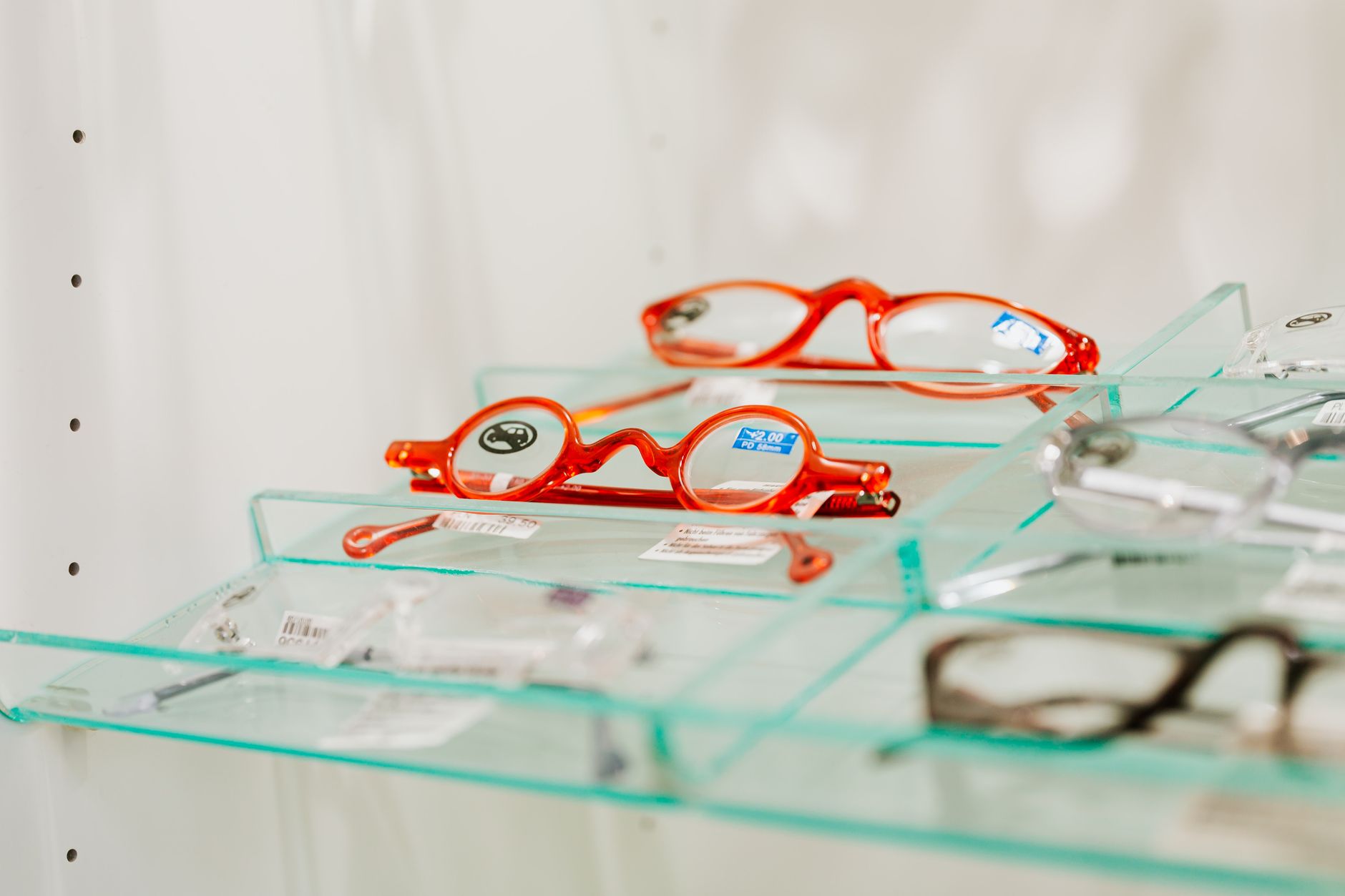
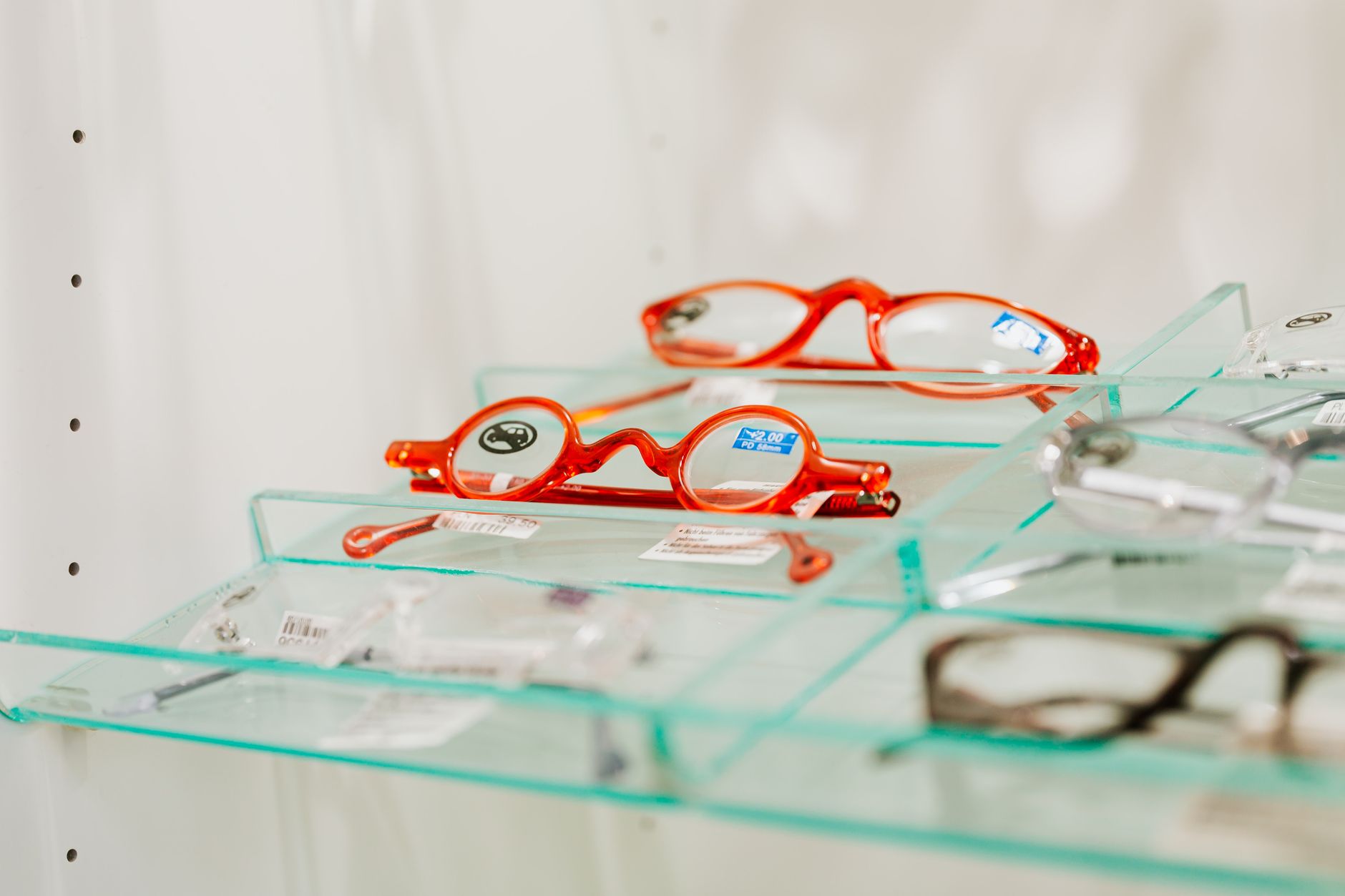
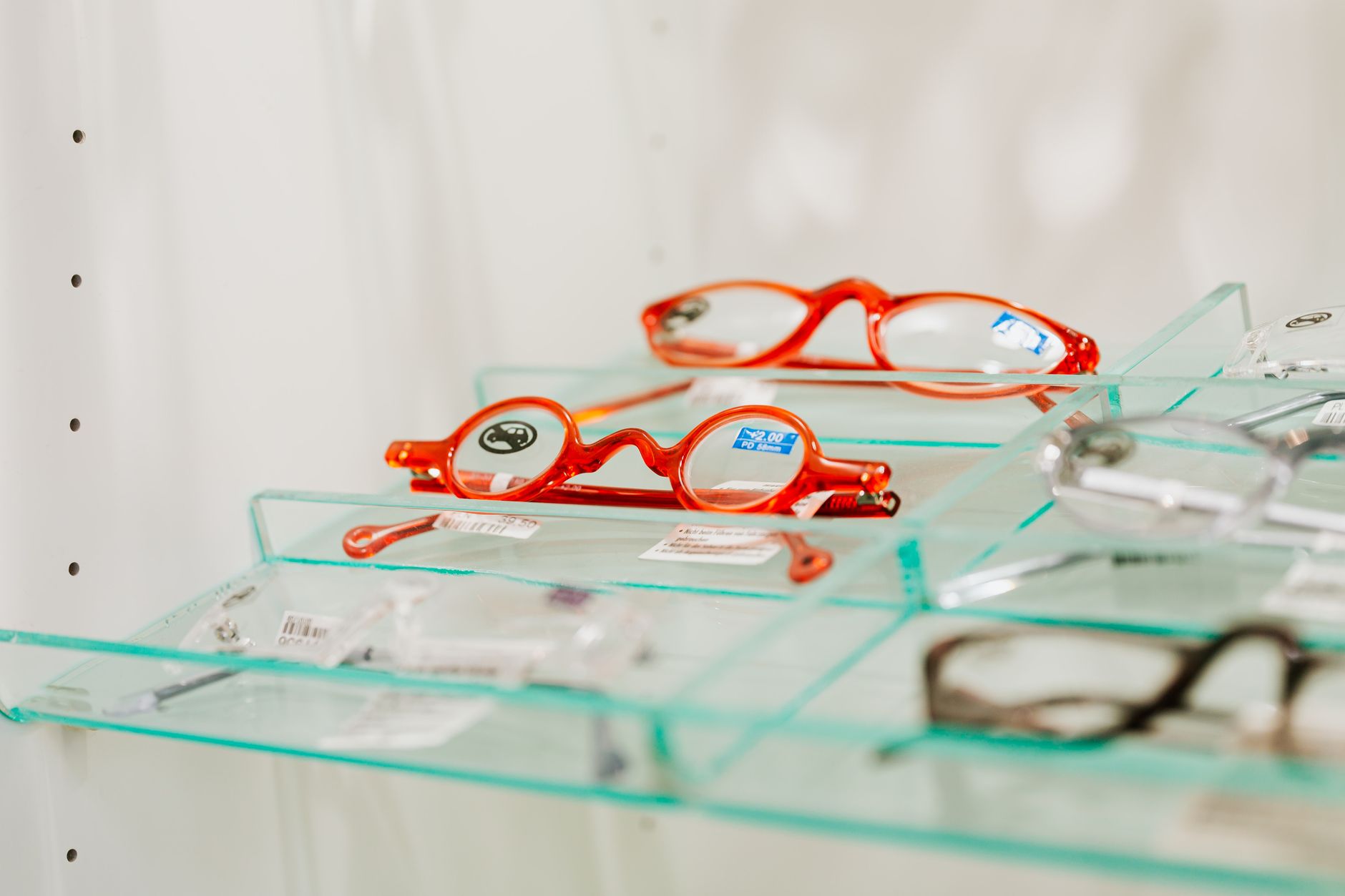
Stylish red eyeglasses displayed on a glass shelf in an eyewear store. — illustrating What Causes Glasses to Fog, and What Actually Helps?

Glasses fog because warm, moisture-laden air — usually breath — hits a lens surface that is colder than the air itself, and the water vapour condenses into visible droplets. Anything that widens that temperature gap, or channels breath upward across the lens, makes it worse. Anything that closes the gap or redirects the airflow helps. … Read more

How Often Should Glasses Be Professionally Adjusted?

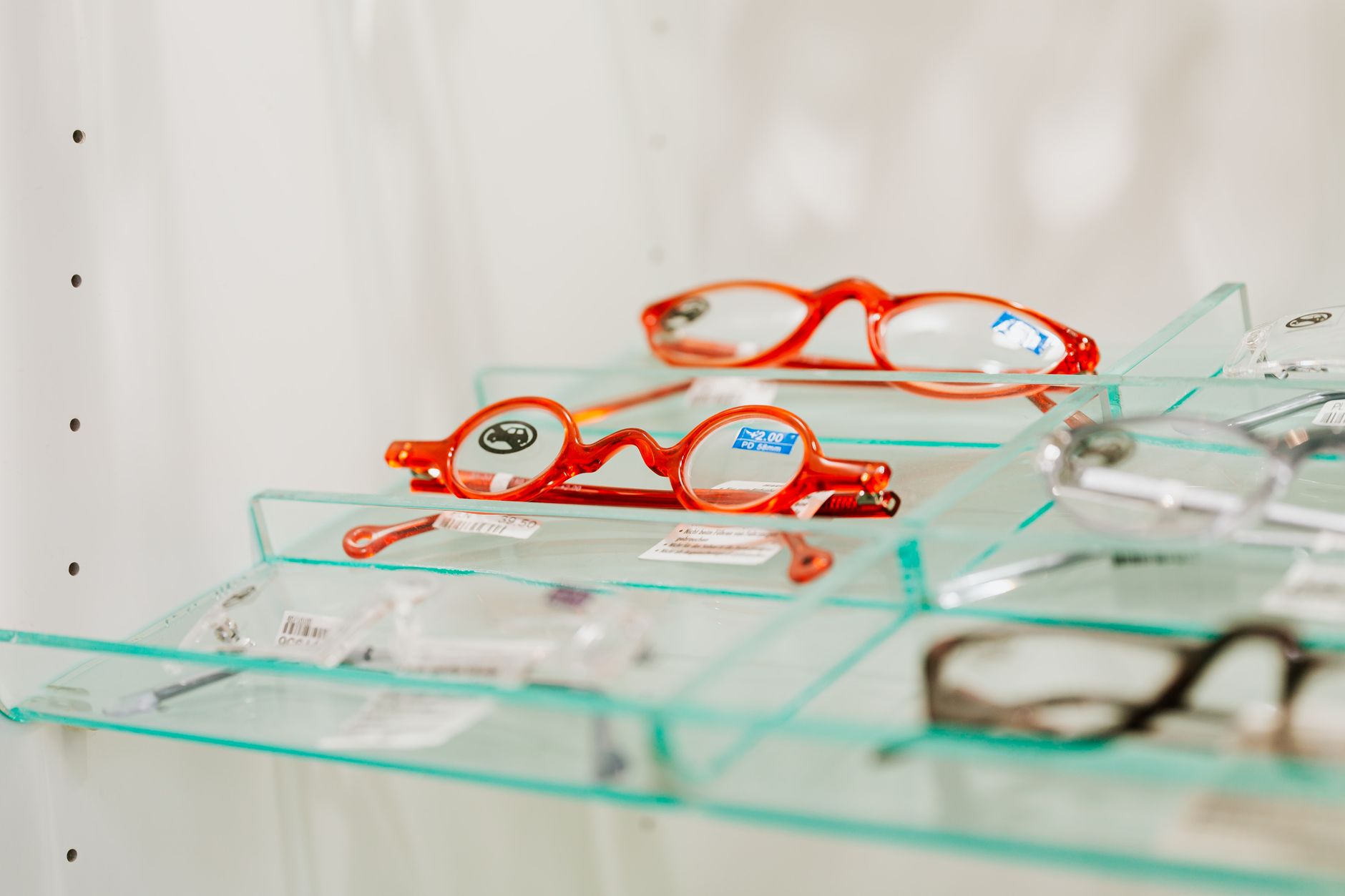
Stylish red eyeglasses displayed on a glass shelf in an eyewear store. — illustrating How Often Should Glasses Be Professionally Adjusted?

Most glasses benefit from a professional check every six months, and an adjustment whenever they start slipping, pinching, or sitting unevenly — whichever comes first. There’s no fixed schedule that suits everyone; frame material, how often the glasses come off, and daily habits all change how quickly fit drifts. Is there an actual recommended interval? … Read more

How to Clean Glasses Without Scratching the Lenses

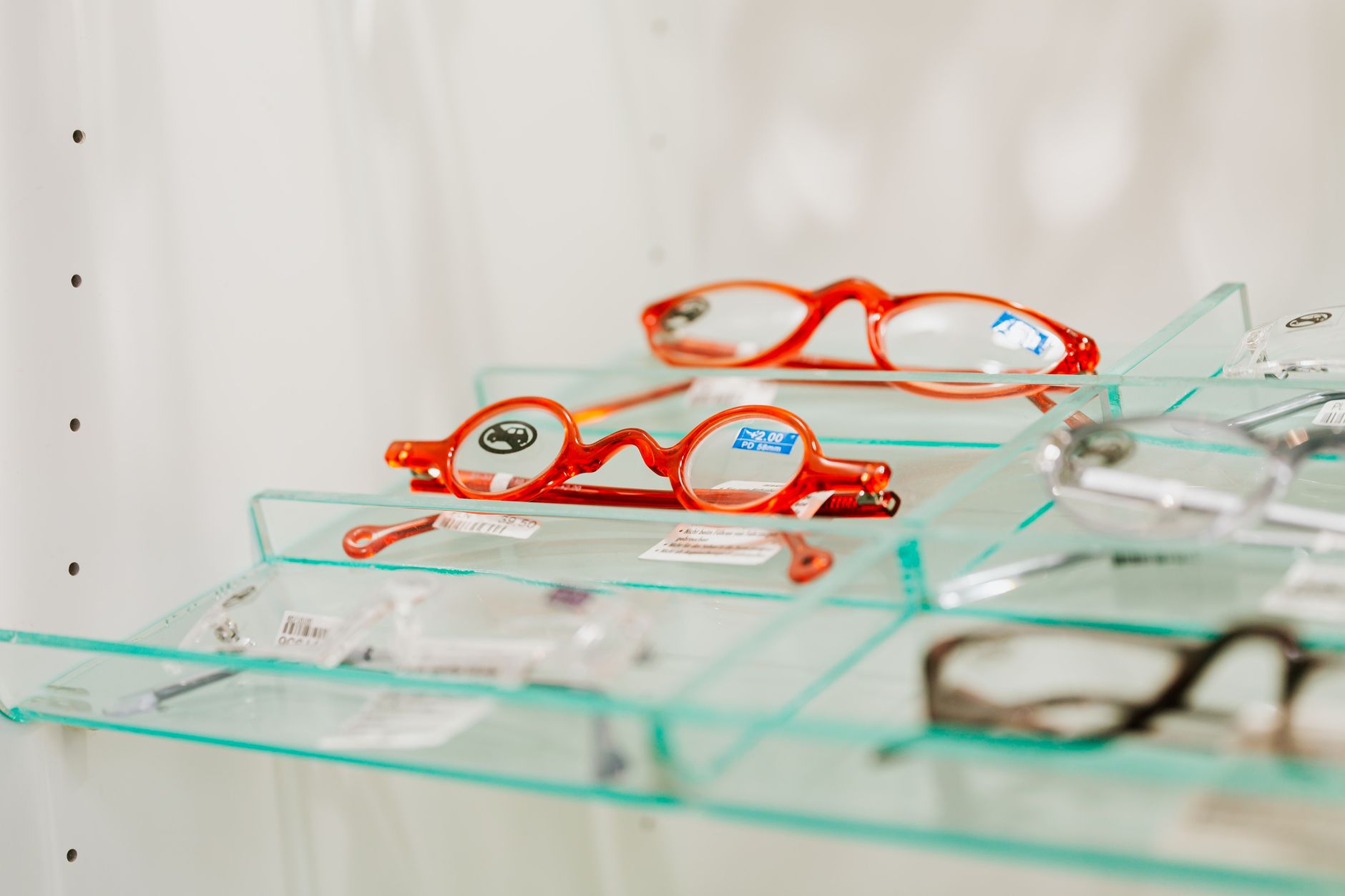
Stylish red eyeglasses displayed on a glass shelf in an eyewear store. — illustrating How to Clean Glasses Without Scratching the Lenses

Rinse the lenses under lukewarm running water first, then clean them with a small amount of mild, lotion-free soap on your fingertips, and dry with a clean cotton or microfibre cloth. The scratches most people blame on “cheap lenses” are usually caused by wiping dry grit across the surface, not by the lens itself. What … Read more

About what you read here. Everything on The Designer Glasses is general information and our own editorial opinion. We research carefully and we say when the evidence is unclear, but we can be wrong, things change, and no article can know your particular situation. Please do your own research and make your own judgement rather than treating anything here as the final word. This is not medical advice, not a diagnosis, and not a substitute for speaking to an optometrist, optician or eye doctor about your own eyes, vision and eyewear. We are writers and researchers, not clinicians. We do not recommend prescription treatments or give doses. If something is painful, getting worse, or worrying you, please talk to a professional — going early is not an overreaction.