Octagonal Frame vs Hexagon: Why More Sides Reads Softer
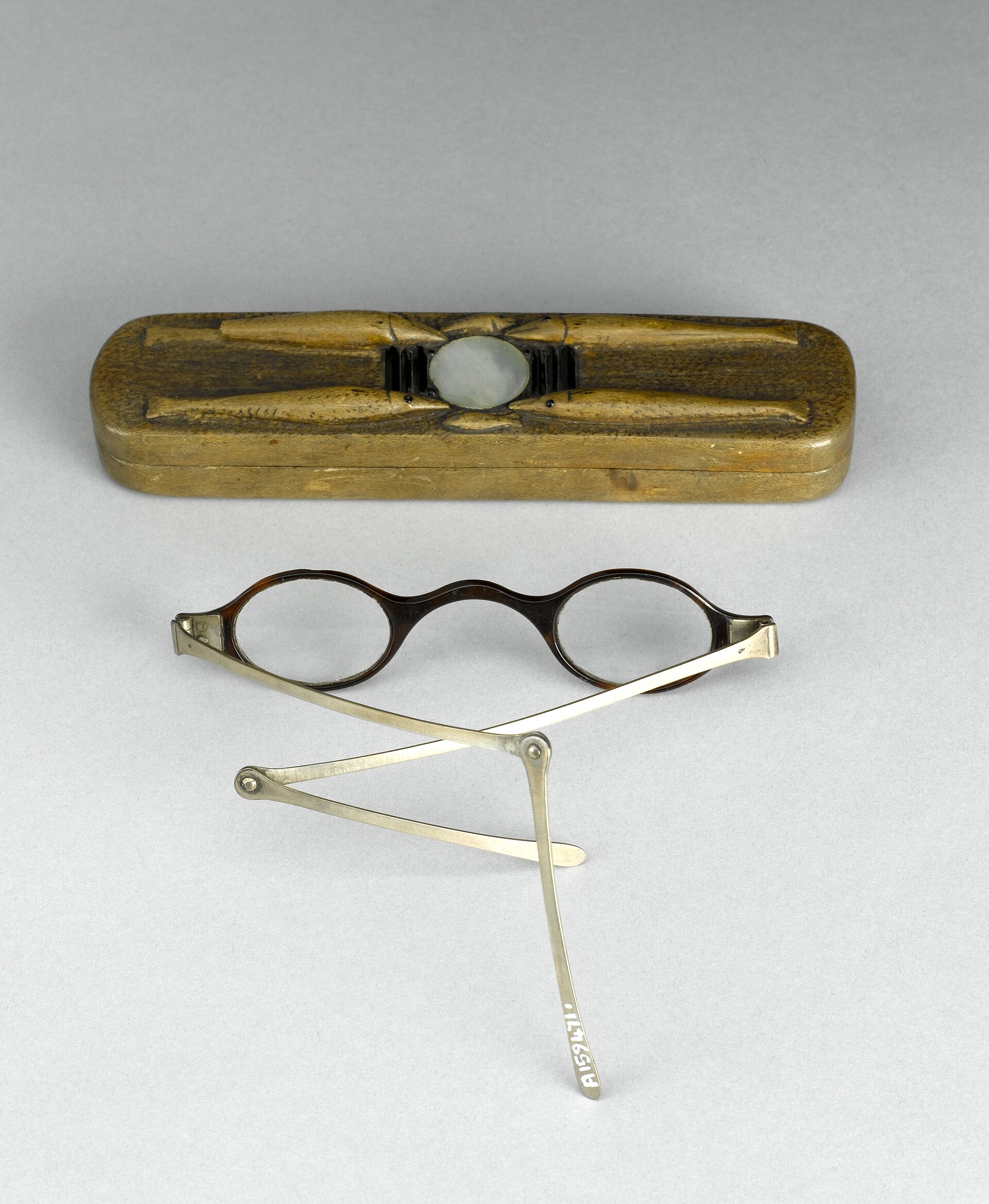
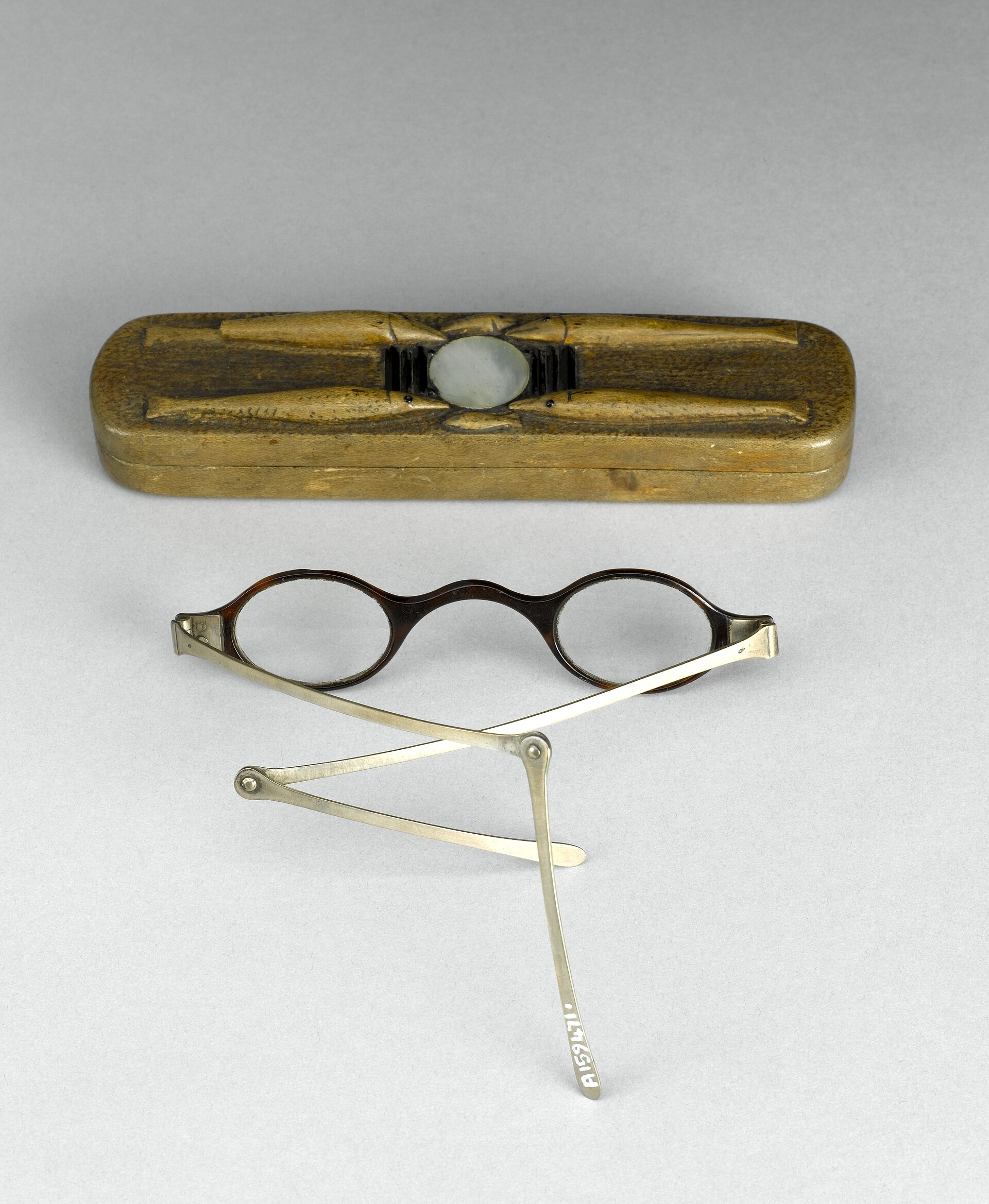
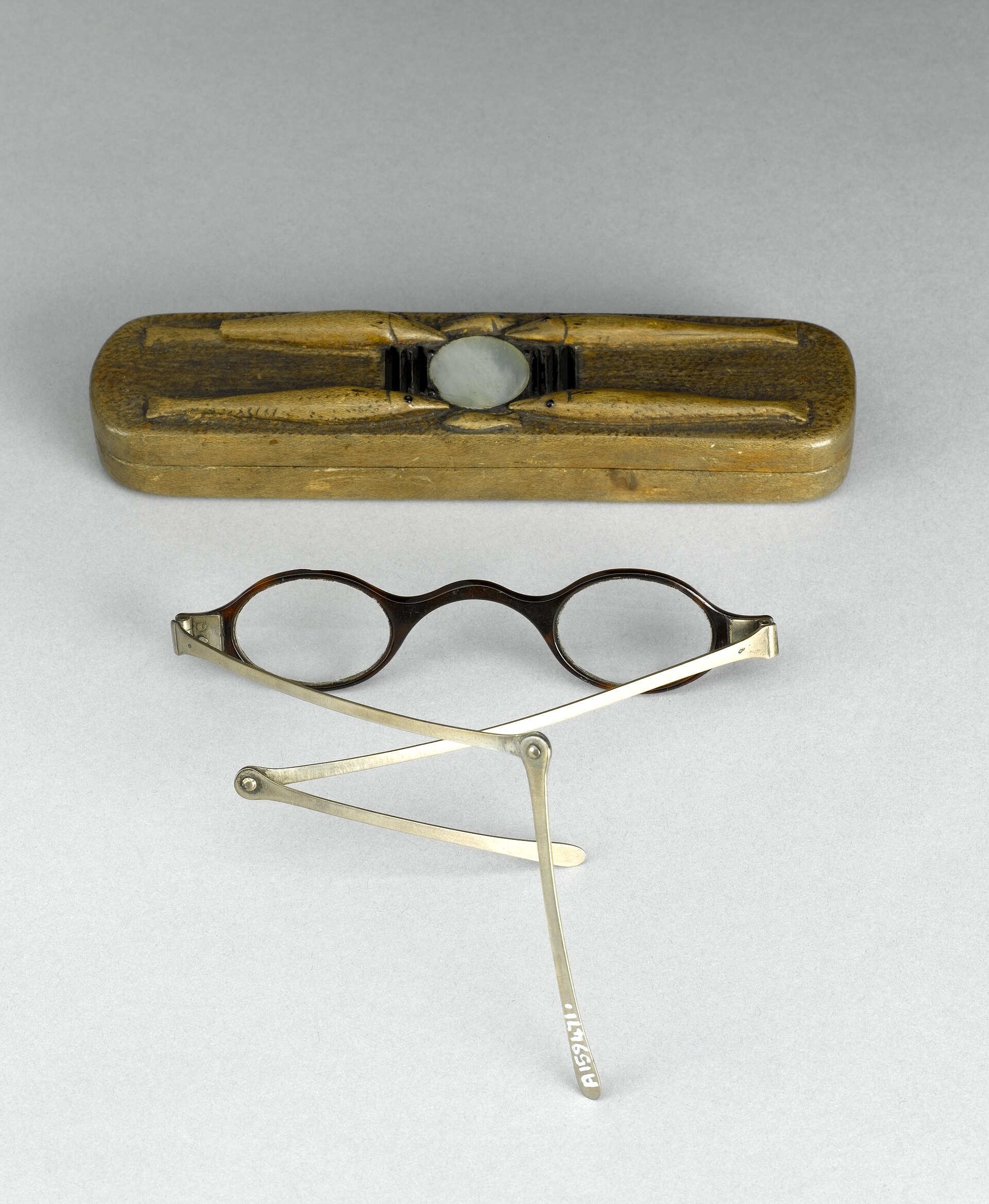
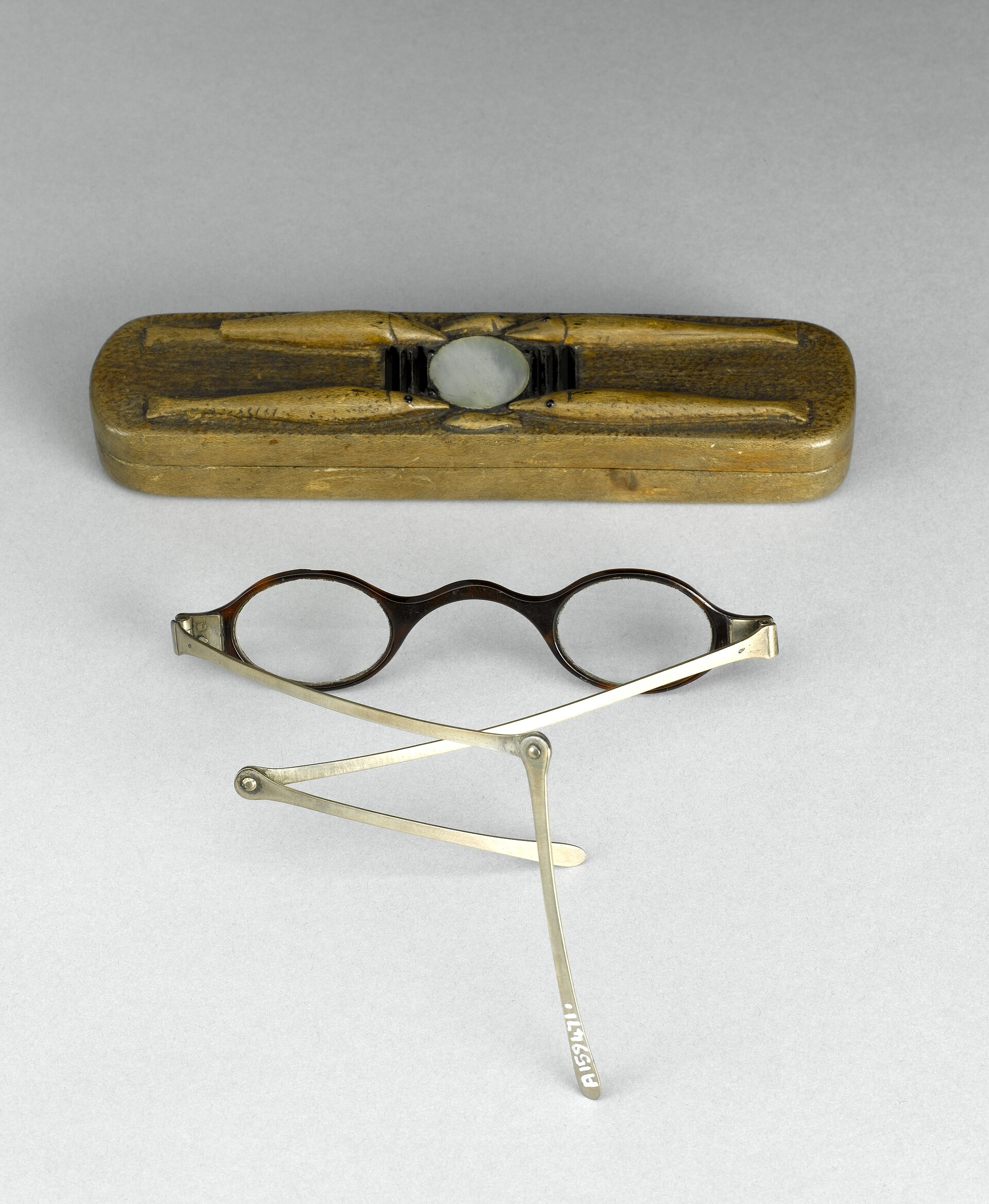
Turn pin spectacles, tortoiseshell frames, silver arms, hall Wellcome L0057637.jpg — illustrating Octagonal Frame vs Hexagon: Why More Sides Reads Softer

An octagonal frame has eight straight sides instead of the usual oval or round outline. It sounds more angular than a hexagon on paper. In practice it reads softer, because each added side pushes the shape closer to a circle. More corners, paradoxically, means less geometry visible to the eye. What makes a frame “octagonal”? … Read more
Why Do Round Frames Read as Intellectual? A Style Guide

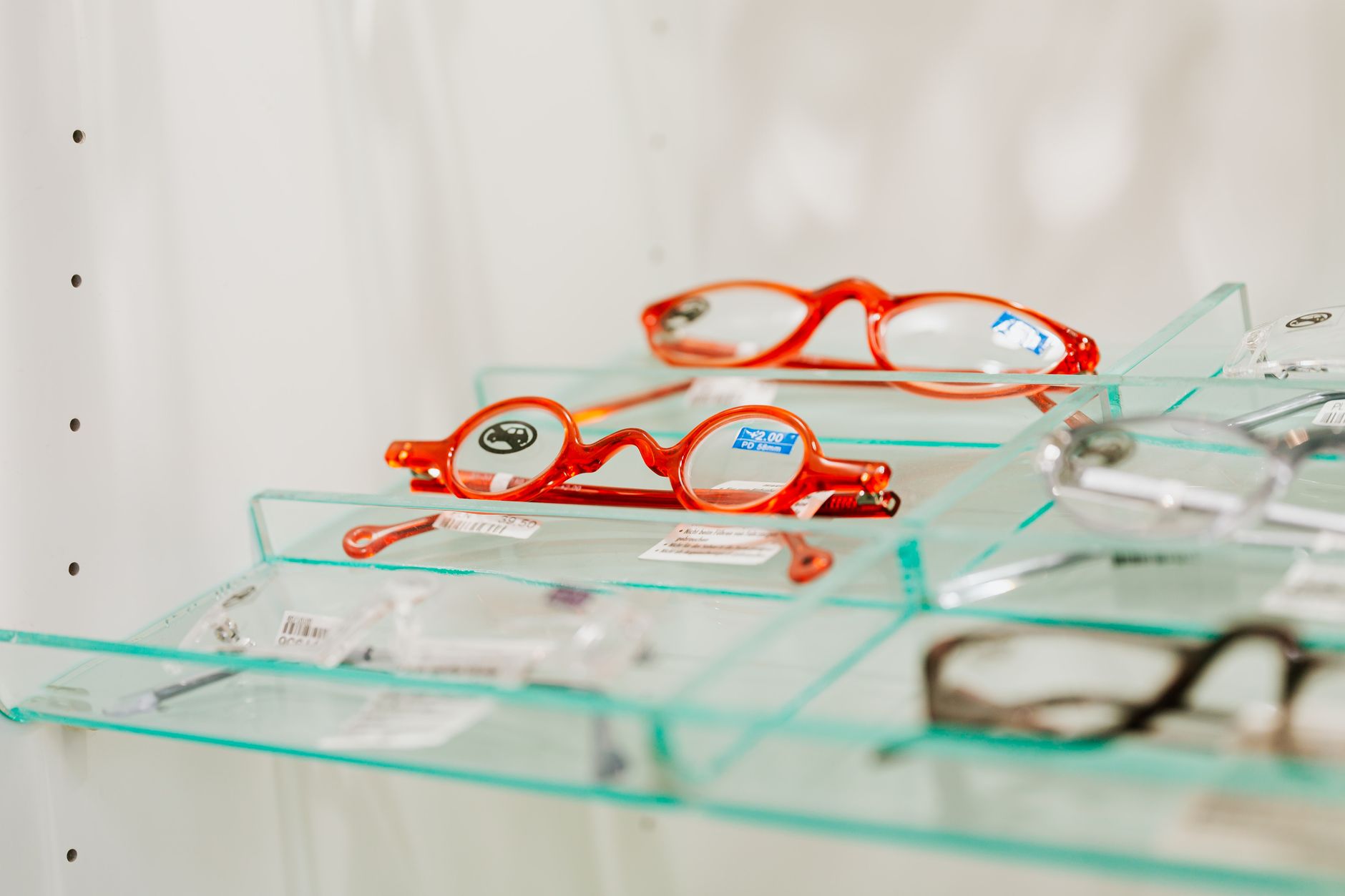
Stylish red eyeglasses displayed on a glass shelf in an eyewear store. — illustrating Why Do Round Frames Read as Intellectual? A Style Guide

Round frames read as intellectual because a perfect circle removes the sharp, angular cues associated with authority and instead recalls scholarly, bookish archetypes — professors, poets, John Lennon in his Cambridge phase. The shape softens the face and draws attention toward the eyes rather than the jawline, which reads as thoughtful rather than commanding. Where … Read more

What Makes Independent Eyewear Different From Big Brands?

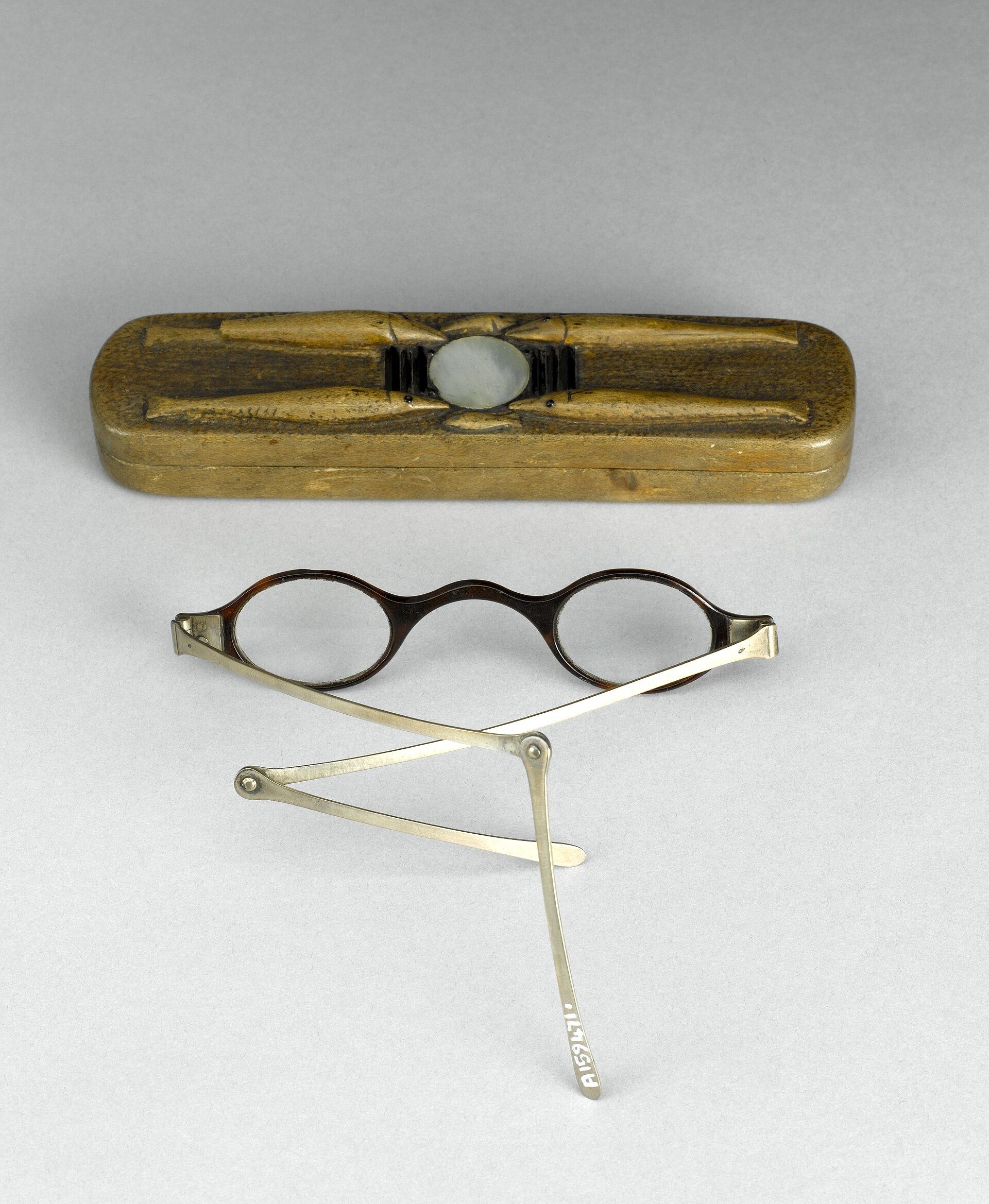
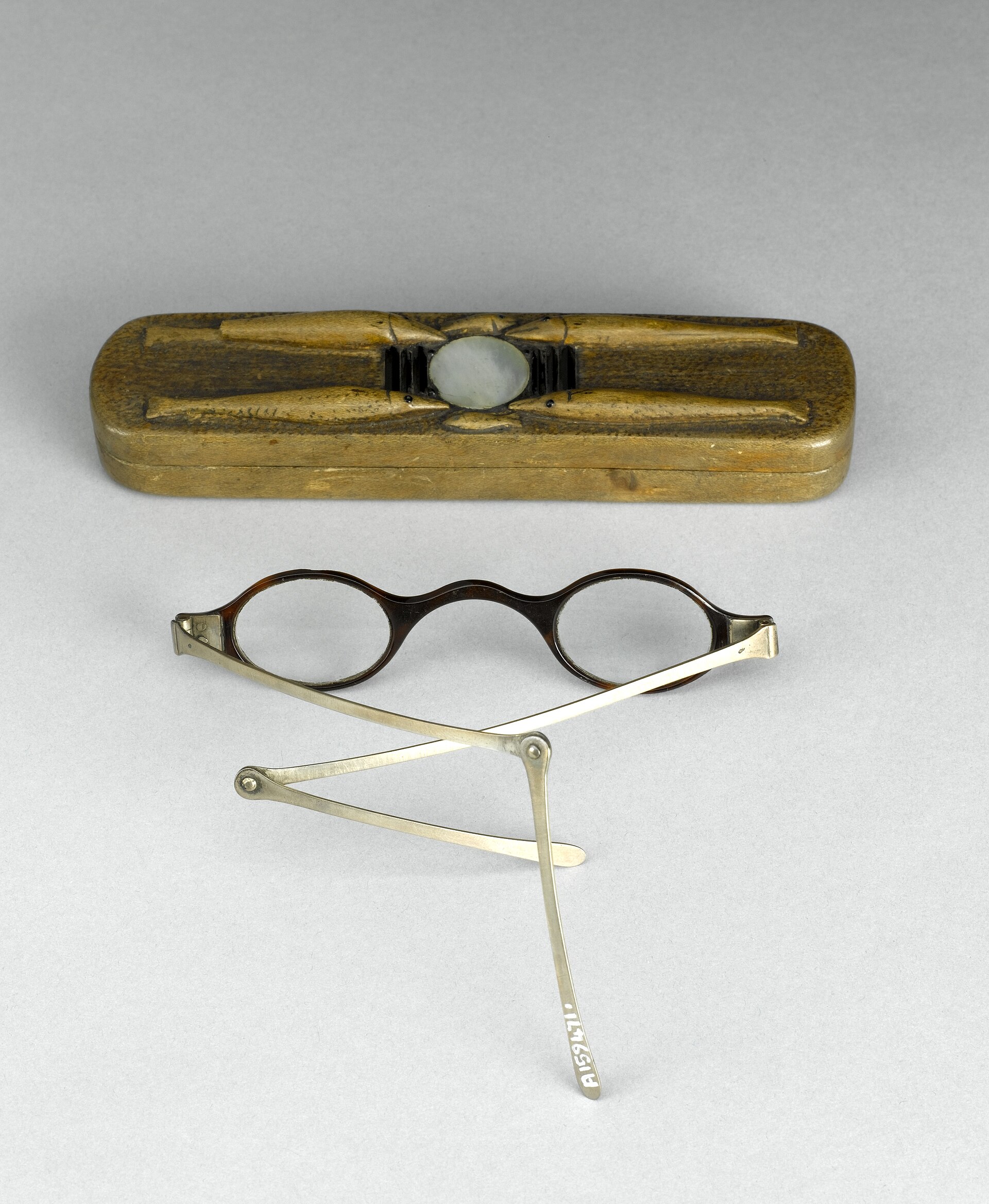
Turn pin spectacles, tortoiseshell frames, silver arms, hall Wellcome L0057637.jpg — illustrating What Makes Independent Eyewear Different From Big Brands?

Independent eyewear is designed and usually owned by the people whose name is on it, made in smaller runs with more say over shape, colour and material. Mainstream brands are largely licensed names — a fashion house’s logo applied to frames designed and manufactured by a separate eyewear company working across dozens of labels at … Read more

About what you read here. Everything on The Designer Glasses is general information and our own editorial opinion. We research carefully and we say when the evidence is unclear, but we can be wrong, things change, and no article can know your particular situation. Please do your own research and make your own judgement rather than treating anything here as the final word. This is not medical advice, not a diagnosis, and not a substitute for speaking to an optometrist, optician or eye doctor about your own eyes, vision and eyewear. We are writers and researchers, not clinicians. We do not recommend prescription treatments or give doses. If something is painful, getting worse, or worrying you, please talk to a professional — going early is not an overreaction.