A cat-eye frame is any pair of glasses where the top rim sweeps up and outward at the outer corners, ending in a point or a flick rather than curving back down. That upswept line is the whole definition — everything else, from colour to rim depth, is variation on it. The shape dates to the 1930s and became a defining look of the 1950s and early 1960s.
What exactly makes a frame “cat-eye”?
A frame counts as cat-eye if the upper outer edge rises into a point, well above the line of the lower rim. The lift can be sharp and angular or softened into a gentle curve — both belong to the same family.
What varies below that signature line is wide open. Some cat-eyes are full rim in acetate, some are rimless along the bottom, some carry decoration at the corner — a stone, a metal tip, a two-tone edge. The category is defined by the top line, not by the material, the colour or how dramatic the point is. A pair with a barely-there lift and a pair with an exaggerated, almost butterfly-like sweep are both, technically, cat-eyes.
For a wider sense of how frame shapes get classified in the first place, it’s worth reading how a related but opposite silhouette is defined in what actually makes a frame round — the two shapes sit at opposite ends of the same idea: soften the eye area, or sharpen it.
Where did the cat-eye shape actually come from?
The shape has a documented origin point rather than a vague folk history. Designer Altina Schinasi is widely credited with creating the modern cat-eye in the mid-1930s in New York, reportedly inspired by Surrealist and Egyptian-influenced imagery of the period — narrow, upward-tilted eyes were already a visual shorthand for glamour and mystery in art and film. Schinasi’s “Harlequin” frame won design recognition at the time and set the template that eyewear makers would return to for decades.
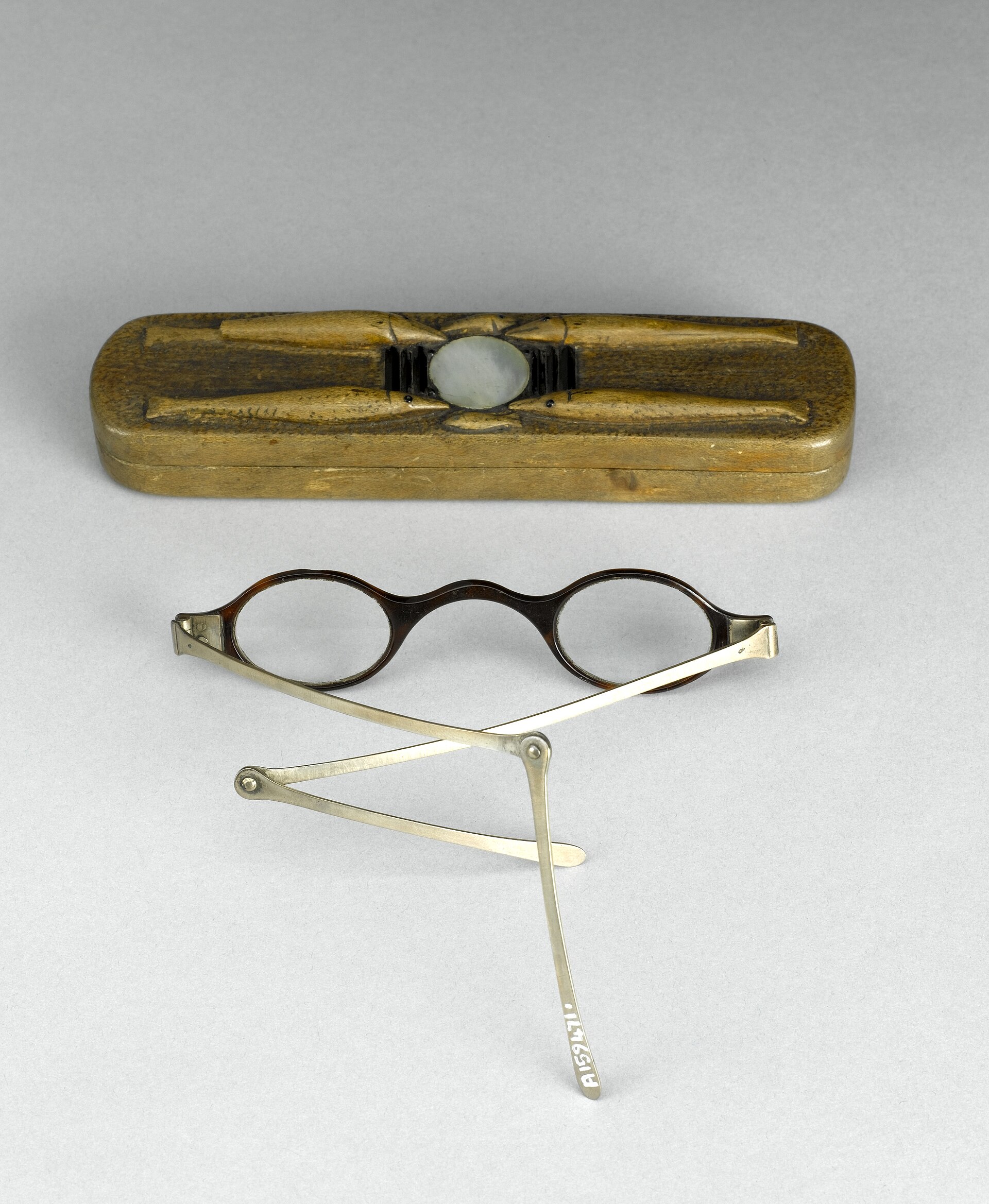
Before that point, most everyday eyewear followed the lens, not fashion — round or slightly oval, following whatever shape ground glass most easily produced. The cat-eye was one of the first mainstream frame shapes designed primarily to flatter the face rather than simply to hold a lens in place. That shift — treating frames as a garment for the face rather than a piece of optical hardware — is part of why the shape still reads as a design statement rather than a neutral default.

Why did the shape take off in the mid-20th century?
It arrived at the right cultural moment. Hollywood glamour photography of the 1940s and 50s favoured strong brow lines and dramatic eye framing, and the cat-eye did both jobs in one shape — it lifted the outer eye and drew a hard line across the upper face, which read well in both colour and black-and-white studio portraiture.
Manufacturers of the period leaned into that appetite with rhinestones, laminated colour layers, and metal filigree at the corners, turning the frame into jewellery as much as an optical device. By the 1960s the shape had become common enough in everyday wear — not just on screen — that it stopped being exotic and became simply a normal choice at the optician’s counter, sitting alongside rounder, more conservative options.
How is a modern cat-eye different from a 1950s one?
The lift is usually more restrained now, and the rest of the frame has caught up with contemporary proportions rather than mid-century ones. Where original cat-eyes were often narrow and shallow, current versions are more likely to sit at a fuller, more square-ish depth, with the upswept corner kept but toned down.
Colour has also changed. Original cat-eyes leaned on pastel laminates, pearlised acetate and rhinestone detail; a lot of current cat-eye frames are done in flat tortoiseshell, solid black, or clear acetate, with the shape doing the talking rather than the finish. The construction has diversified too — full-rim acetate is still the most common approach, but half-rim and rimless cat-eyes exist, and the difference between those builds changes how heavy the shape reads on the face. If you’re comparing frames across those construction types, it’s worth understanding the real difference between full-rim, half-rim and rimless builds before deciding which carries the cat-eye lift best.
Does the cat-eye shape suit every face?
Not by any fixed rule, and this is a matter of styling opinion, not fact. The conventional advice is that the upward line balances a rounder or softer jaw by adding width and lift at the brow. That’s a reasonable starting point — but plenty of angular faces wear a strong cat-eye extremely well, and a subtle version can suit almost anyone, because the effect is really about how sharp the point is rather than face shape alone.
- A shallow, gentle sweep tends to read as classic and wearable across most face shapes.
- A sharp, exaggerated point is a deliberate style statement and will draw the eye there — which is the appeal, not a flaw.
- Frame width matters as much as the point: a cat-eye that’s too wide for the face pulls attention outward past the temple rather than up along the brow.
Treat any “flatters this face shape” guidance, including this one, as a convention worth testing in a mirror rather than a rule worth following blindly. For a broader look at how different silhouettes get discussed this way, the frames and styles section covers other shapes with the same caveat attached.
What should you check on a cat-eye frame before buying?
Because the shape lives or dies on the sharpness and placement of that upper corner, fit matters more here than on a plainer frame. A point that sits too high above the brow looks unbalanced; one set too low loses the lift that makes the shape work.
- Bridge fit — the frame should sit level without sliding, since a cat-eye that tilts changes the angle of the point on one side versus the other.
- Temple length and hinge quality — a shape with an asymmetric top line puts slightly uneven pressure through the temples; a well-made hinge holds its adjustment better over time.
- Material — acetate holds a sharp point crisply and takes colour and lamination well; metal cat-eyes tend to have a finer, more delicate line at the corner.
Every frame, cat-eye or otherwise, carries small codes stamped inside the temple — size, bridge width, temple length. Knowing how to read them helps compare fit across brands rather than guessing from how a display pair happens to feel; the details are laid out in what the numbers inside a glasses frame actually mean.
What matters on cat-eye sunglasses specifically?
The shape itself has no bearing on how well a lens protects the eyes — that comes entirely from the UV filter, not from the frame’s silhouette or the tint’s darkness. A cat-eye sunglass with a very dark lens and no stated UV rating is worse than wearing no sunglasses at all, because the dark tint causes the pupil to open wider while offering no actual filter, letting more UV reach the eye than it would unshielded.
Look for a clear UV400 rating, or a stated 100% UVA/UVB filter, printed on the lens, the tag or the manufacturer’s documentation — not for how black the lens looks or what the frame costs. The wraparound corner typical of a cat-eye can reduce peripheral light and glare from the side, which is a genuine benefit of the shape, but it’s separate from UV protection and shouldn’t be mistaken for it.
Is a cat-eye frame a fashion choice or a practical one?
Both, but weighted toward fashion. The shape does no optical work that a round or square frame doesn’t also do — it exists because the upswept line is a distinctive, recognisable design decision, not because it improves how a lens performs.
That’s a fair reason to choose it. Eyewear sits on the face all day, and a shape with real design history behind it — one that can be traced to a specific designer, a specific decade, and a specific cultural moment — carries more weight than a shape chosen at random off a rack. Whether the point should be sharp or soft, wide or narrow, is a matter of taste worth testing against an actual mirror rather than settling in the abstract.
The Designer Glasses publishes general information and style opinion, not professional advice. We are writers and enthusiasts, not opticians, optometrists or dispensing opticians. Nothing here interprets a prescription, recommends a lens power, or tells you whether you need correction — only an eye examination can do that. If your vision changes suddenly, or you have eye pain, flashes, new floaters or halos around lights, treat it as urgent and contact an eye care professional the same day. Sunglasses should carry a stated UV rating: a dark lens without UV filtering is worse than none at all.
Featured image: Photo by Unknown, source, CC BY 4.0