Why Do ‘Clear’ Lenses Still Have a Slight Tint?

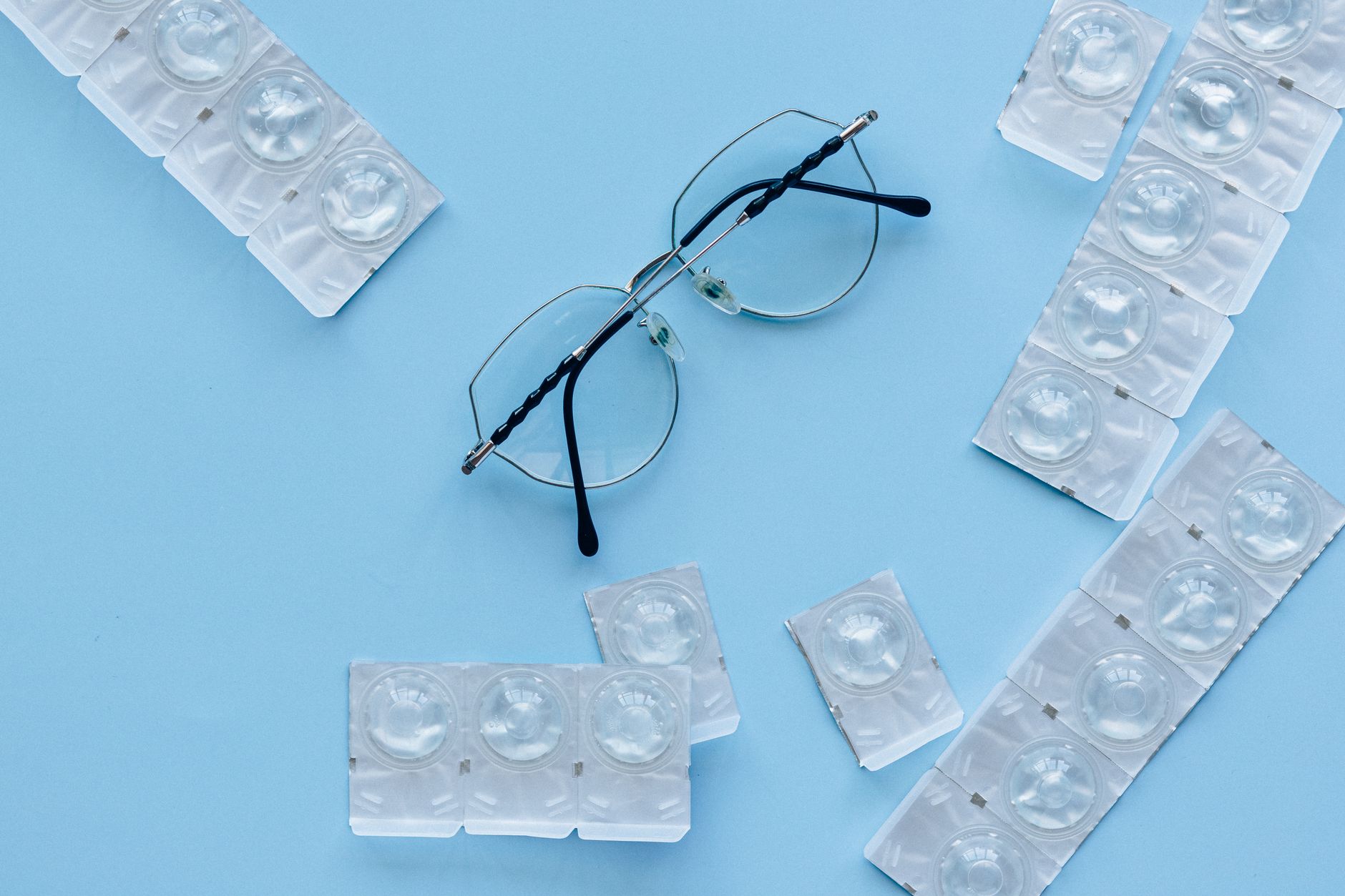
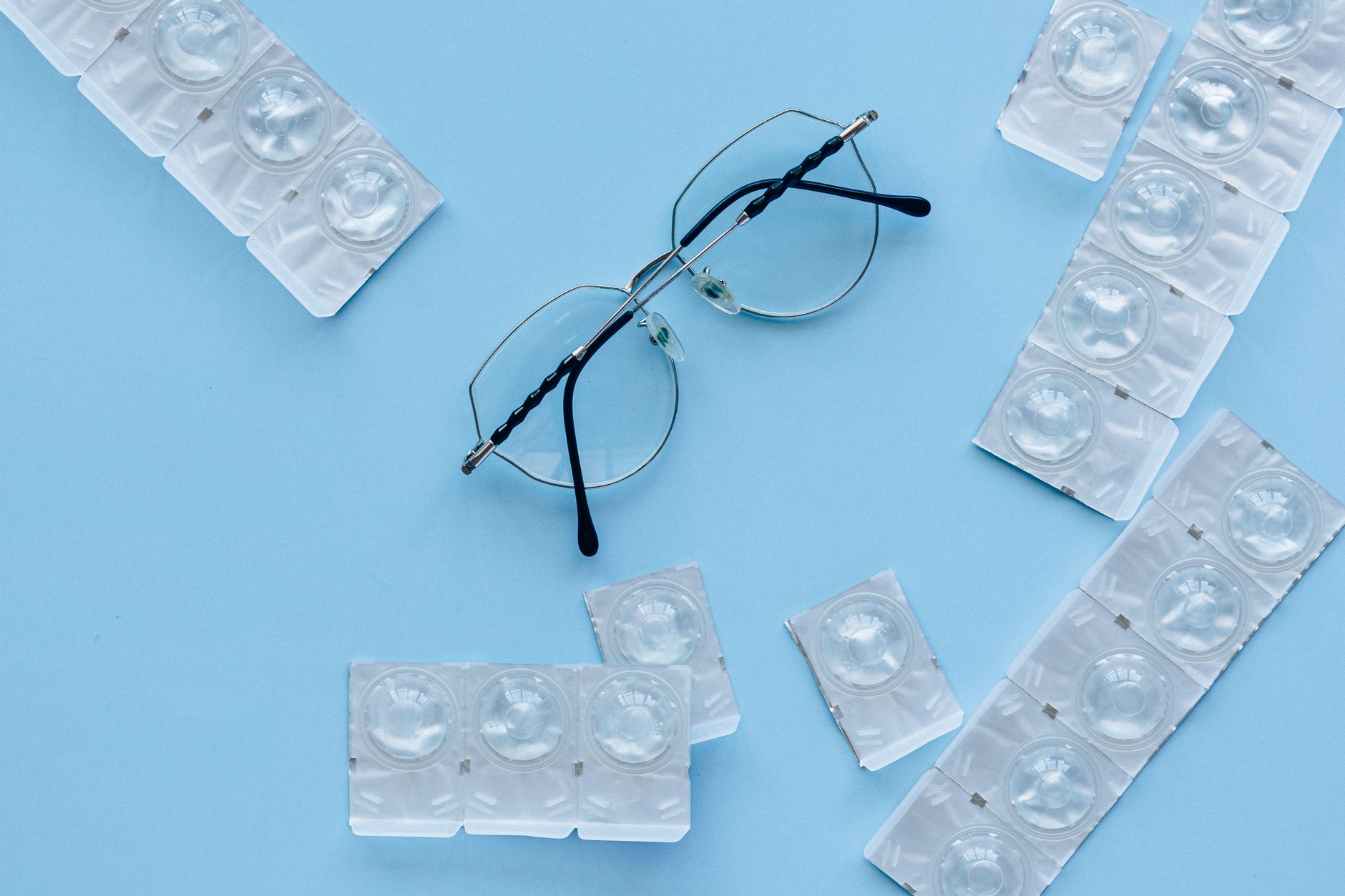
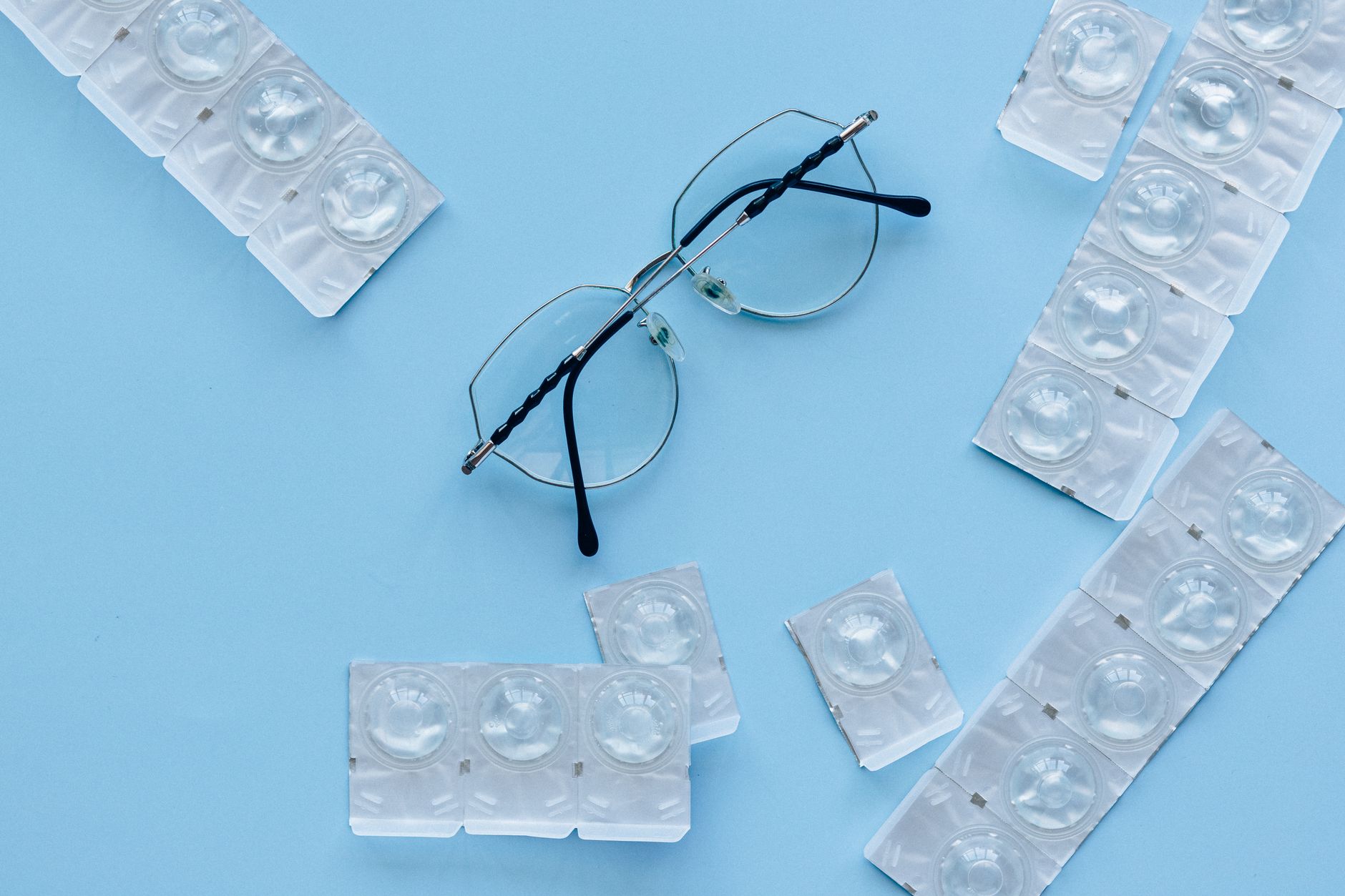
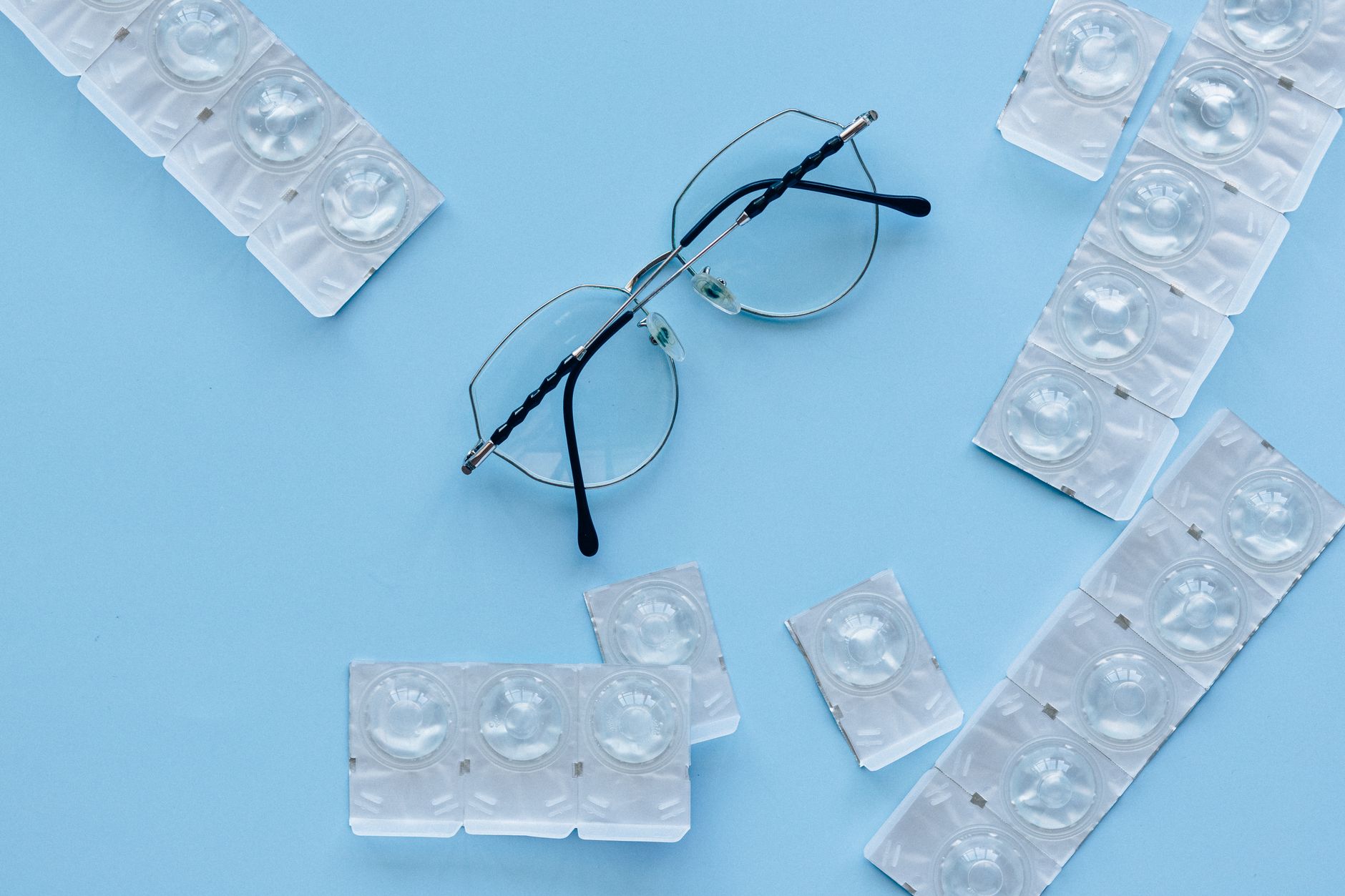
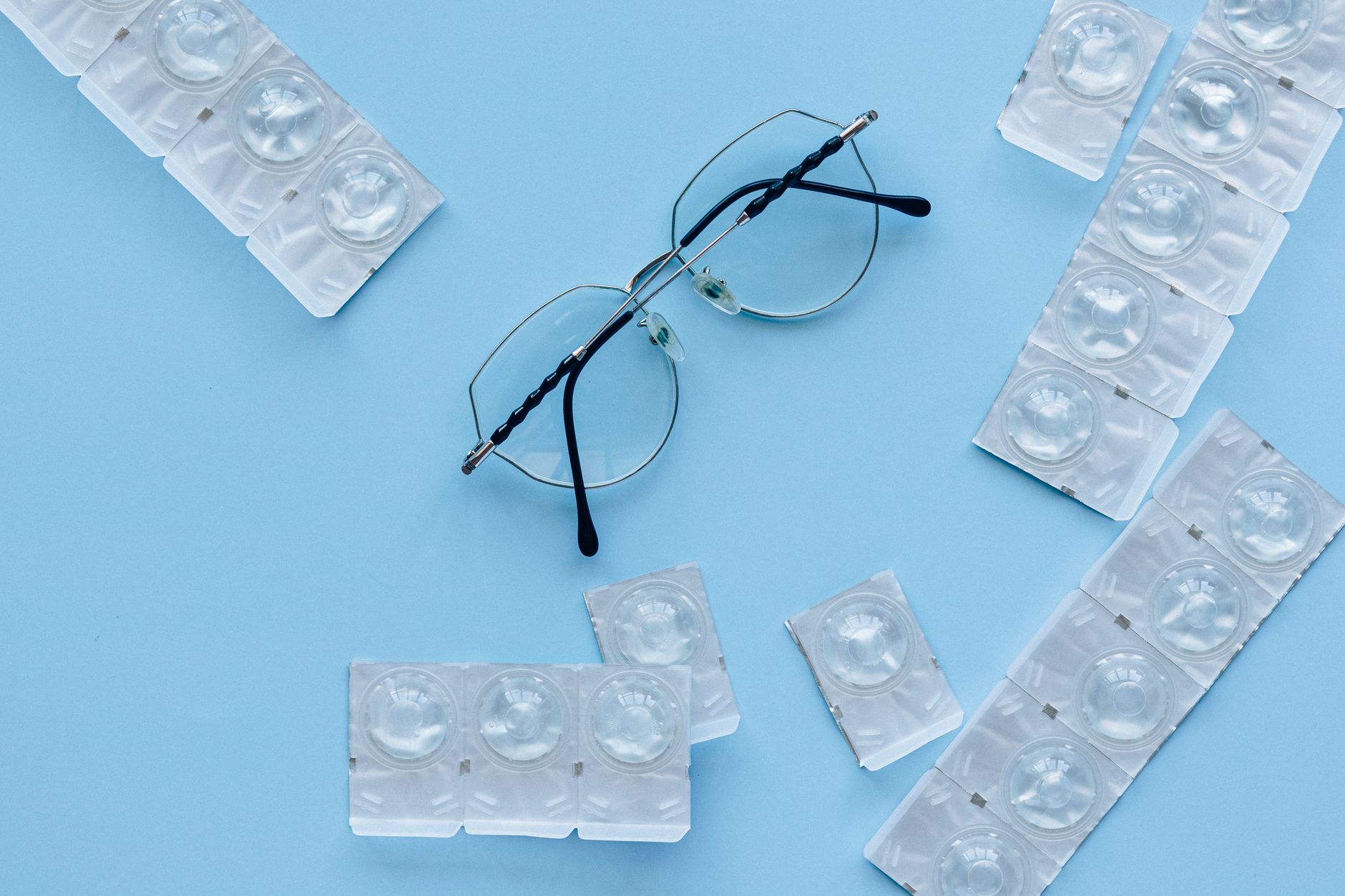
Eyeglasses and contact lenses on a blue background. Concept of eye care and vision correction. — illustrating Why Do 'Clear' Lenses Still Have a Slight Tint?

No lens is perfectly colourless. Every “clear” lens is a stack of materials — the base plastic or glass, plus anti-reflective, scratch-resistant and oleophobic coatings — and each of those layers absorbs or reflects a tiny amount of light unevenly across the visible spectrum. What’s left over reads as a faint tint, usually green, blue … Read more

What Is Trivex, and How Is It Different From Polycarbonate?

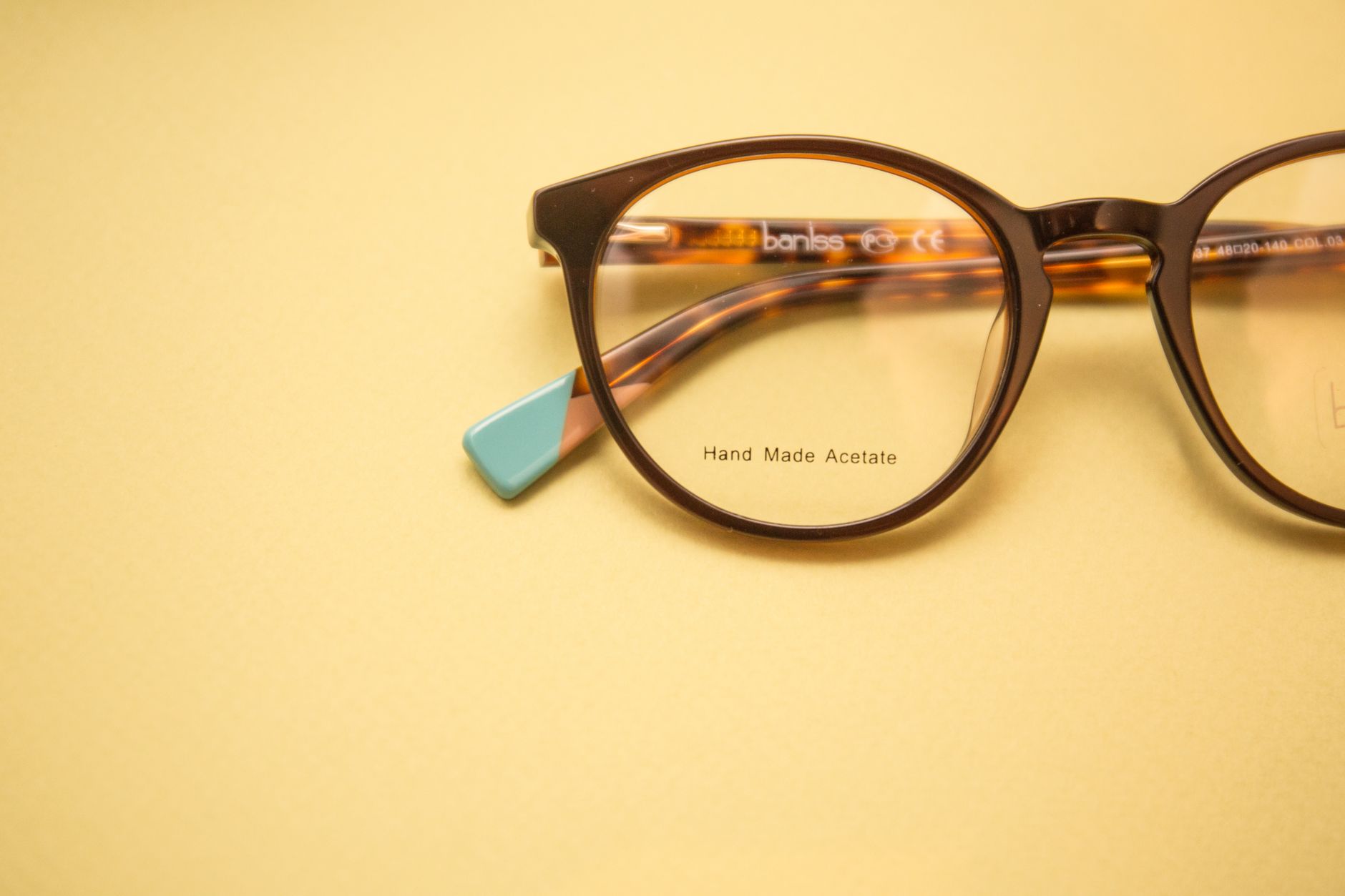
Close-up of handmade acetate brown eyeglasses on a yellow surface, modern design. — illustrating What Is Trivex, and How Is It Different From Polycarbonate?

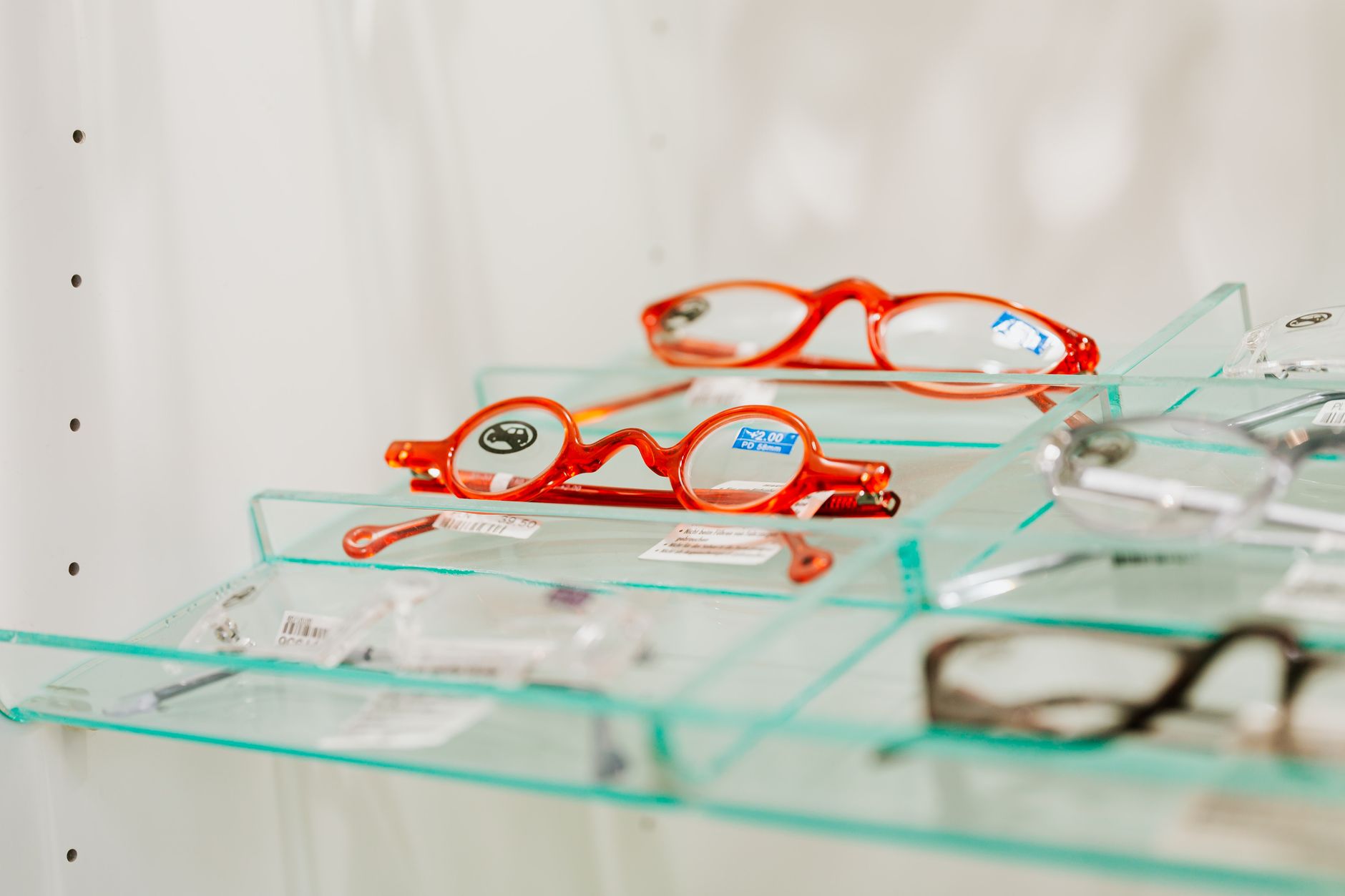
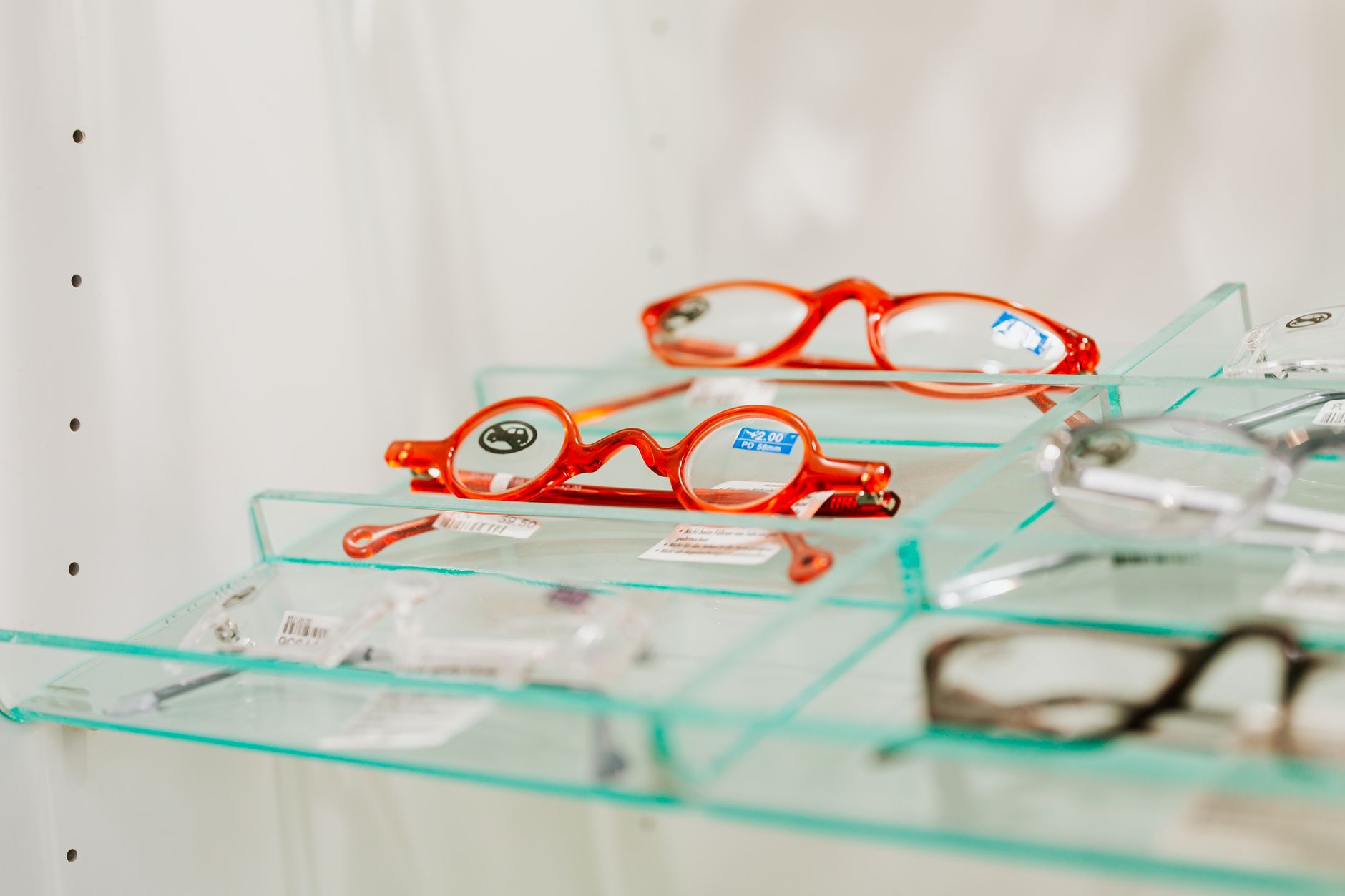
Trivex is a lightweight, impact-resistant plastic lens material developed as an alternative to polycarbonate. Both resist shattering and both block UV, but Trivex is slightly less dense, has noticeably better optical clarity, and behaves differently when drilled or edged into a frame. Neither is “better” outright — they solve overlapping problems in different ways. What … Read more

What Is Polycarbonate, and Where Is It Right Choice?

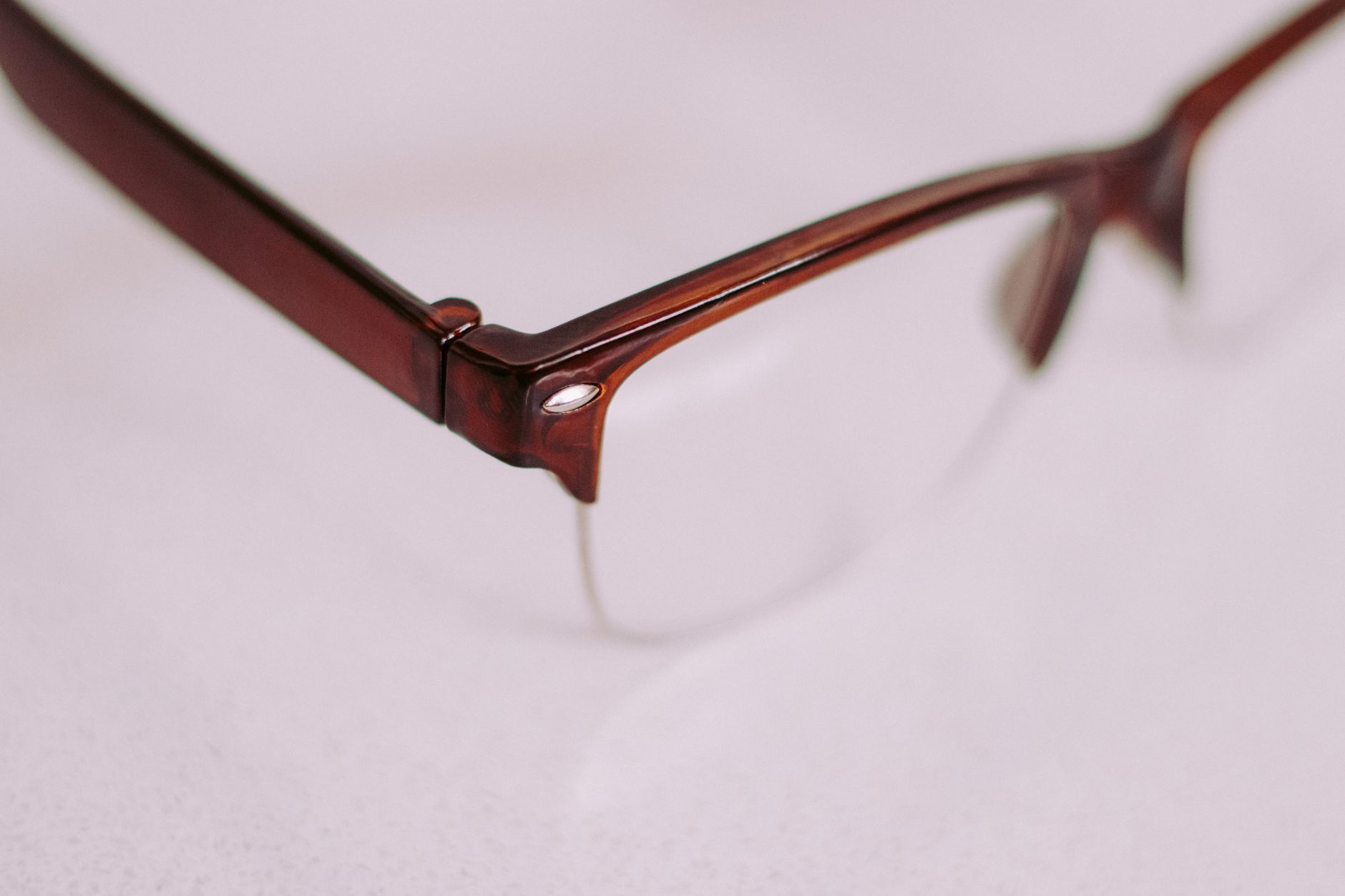
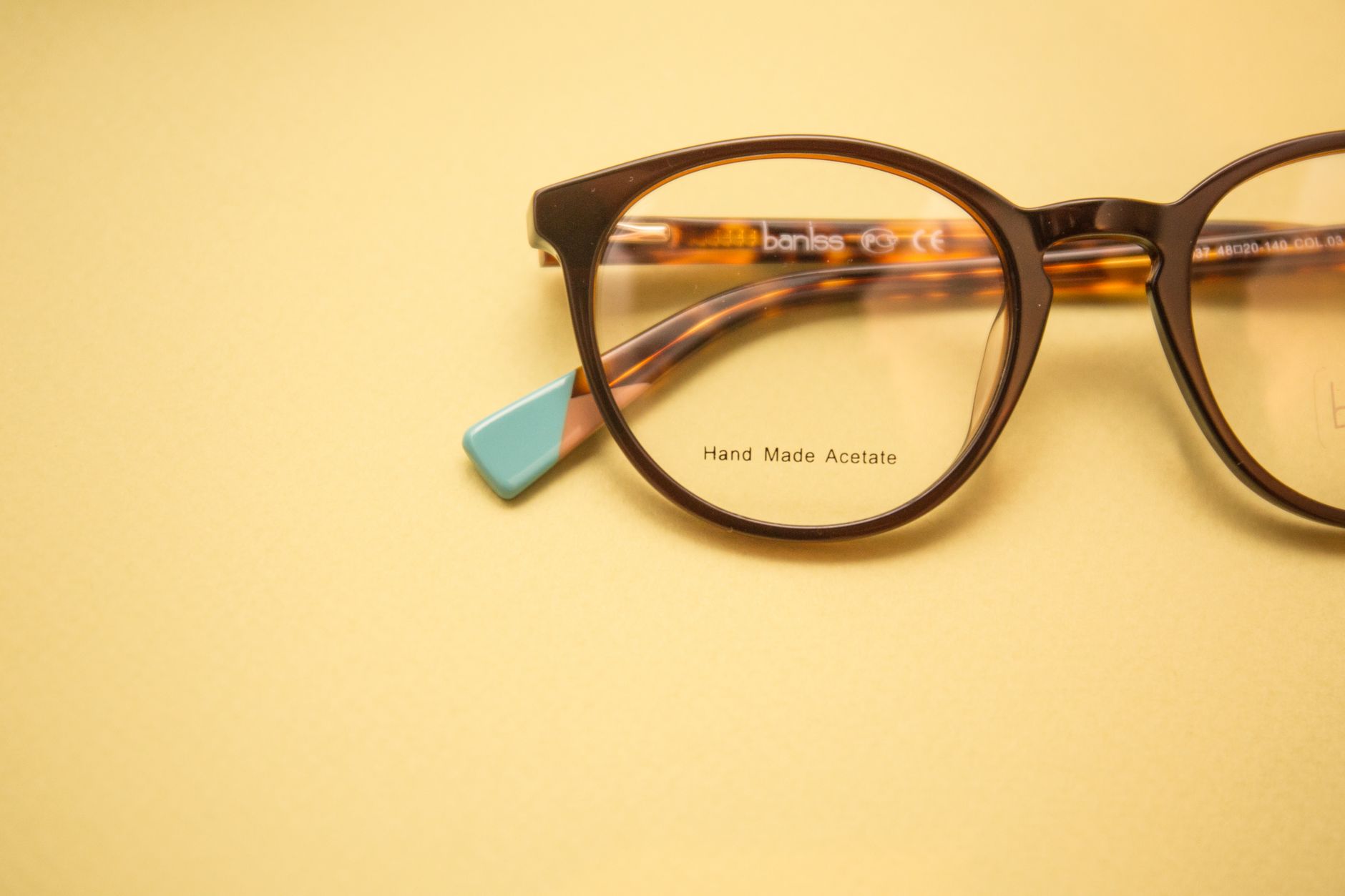
Close-up of handmade acetate brown eyeglasses on a yellow surface, modern design. — illustrating What Is Polycarbonate, and Where Is It Right Choice?

Polycarbonate is a lightweight thermoplastic used for both lenses and frames because it resists shattering far better than glass or standard plastic. It is the right choice whenever impact resistance matters more than absolute optical purity — sport, children’s glasses, safety settings and rimless designs among them. What actually is polycarbonate? Polycarbonate is a clear … Read more

About what you read here. Everything on The Designer Glasses is general information and our own editorial opinion. We research carefully and we say when the evidence is unclear, but we can be wrong, things change, and no article can know your particular situation. Please do your own research and make your own judgement rather than treating anything here as the final word. This is not medical advice, not a diagnosis, and not a substitute for speaking to an optometrist, optician or eye doctor about your own eyes, vision and eyewear. We are writers and researchers, not clinicians. We do not recommend prescription treatments or give doses. If something is painful, getting worse, or worrying you, please talk to a professional — going early is not an overreaction.