Temple length is the measurement of the arm of the glasses, from the hinge at the front of the frame to the tip that curls behind the ear. It matters because a frame that fits at the temple decides whether glasses sit level, stay put, and look intentional — or slide, pinch, and look slightly wrong all day.
Most people can name their lens shape or their frame colour without thinking. Almost nobody can say what their temple length is, even though it does more quiet work than either. It is the dimension that decides whether a frame that looks perfect on the shelf actually looks right once it is on a face — and whether it stays that way after an hour, not just a minute.
What exactly is temple length?
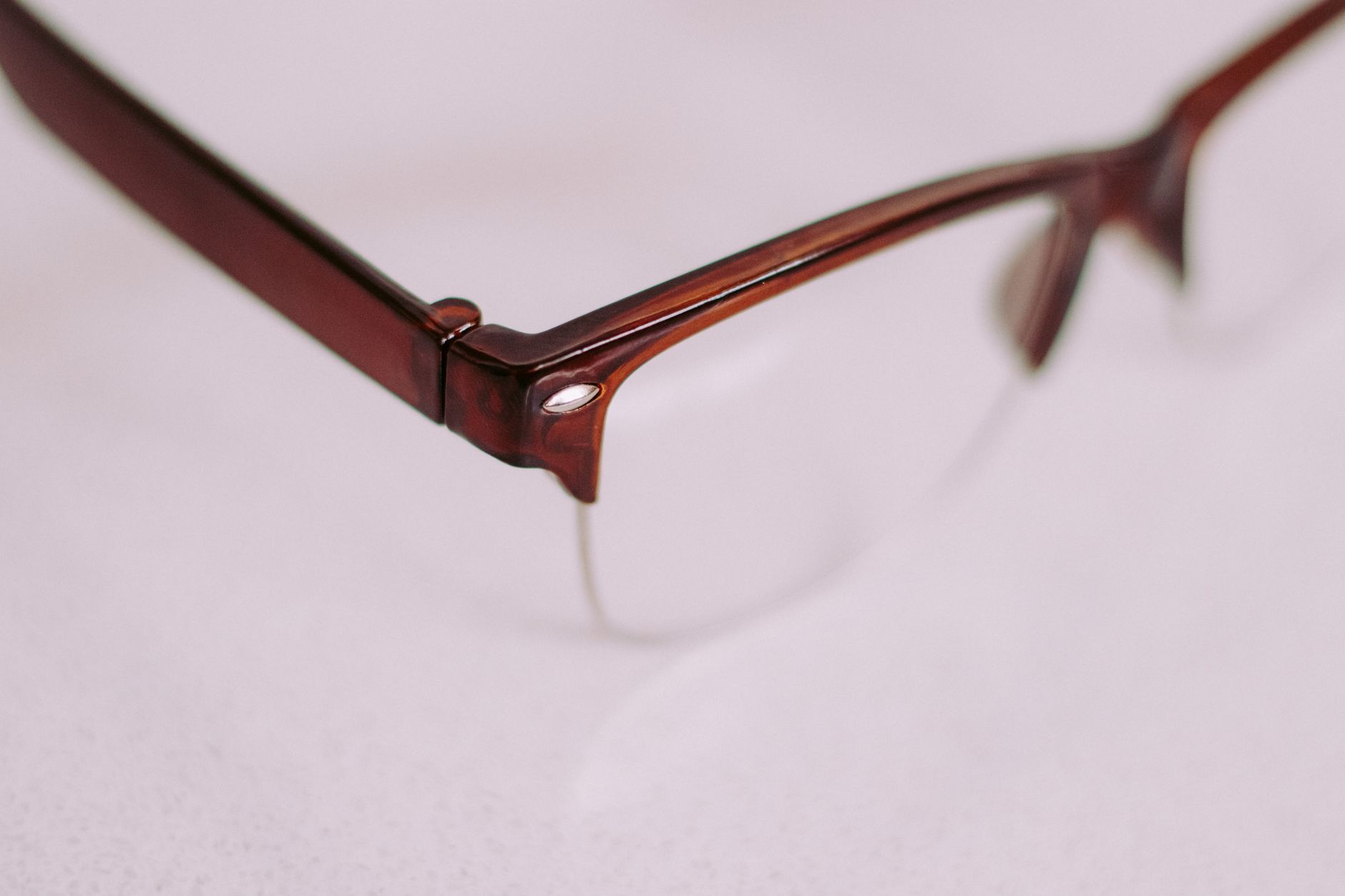
Temple length is the straight-line distance the arm covers, printed on the inside of the temple itself, usually as a number in millimetres such as 140 or 145. It is one of three figures stamped there alongside the lens width and bridge width.
Those numbers exist because frames are manufactured to a spec, not eyeballed. A full breakdown of what each figure means is worth reading if the sequence of numbers inside a frame has ever looked like a code — see what the numbers inside a glasses frame actually mean. Temple length is the one most commonly ignored, largely because it is the hardest to judge just by looking at a frame front-on.
How is temple length measured, and why does the number vary so much?
It is measured from the hinge, along the outside of the arm, to the tip that sits behind the ear — including any curve or bend, not just the straight run. The variation between frames of similar size can be several millimetres, and that gap is exactly where fit goes wrong.
Temple length isn’t tied neatly to head size the way people assume. Two people with similar-looking heads can need noticeably different lengths, because the distance from the corner of the eye to the top of the ear varies more than most facial proportions people fixate on. It’s also not something a face-shape category predicts — round, oval or square tells you nothing about ear position.
Why does temple length affect how glasses look, not just how they fit?
Because a temple that’s the wrong length changes the angle the whole frame sits at, and angle is what reads as “off” even when someone can’t say why. Too long, and the front tips down or sits low on the nose. Too short, and the frame gets pulled back and up at the outer edge, giving lenses a slight upward tilt that looks like squinting even when it isn’t.
This is the part that gets missed in most advice about how frames look. People troubleshoot colour, size, bridge shape — all visible, all discussed constantly in frames and styles coverage — while the actual culprit sits quietly along the side of the head, invisible from the front.
A frame that looks expensive rarely earns that read from logo or material alone. Alignment does a huge amount of the work, and alignment starts at the temple. There’s more on this in what actually makes a frame look expensive.
What happens when temples are too long or too short?
Too long, and the frame slides down the nose repeatedly through the day, forcing constant pushing-up that becomes its own visible habit. Too short, and the arms grip too hard behind the ears, leaving marks, headaches by evening, or a frame that sits pinched and slightly crooked.
Sliding is one of the most common complaints people bring to an optician thinking it’s a nose-pad problem, when temple length is often the real cause. It’s covered in detail in what it means when glasses keep sliding down, and the wider question of correct positioning generally is worth reading in how glasses should actually sit on the nose and ears.
- Frame front sits low or tilts forward: temple usually too long.
- Lenses angle upward at the outer edge, arms feel tight at the temple: usually too short.
- Marks or soreness behind the ears by end of day: length or curve mismatch, not a nose-pad issue.
Does temple length change depending on frame material?
Yes — the material changes how much flex and adjustment is possible even when the printed length is identical. Acetate arms can be gently reshaped at the curve behind the ear; thin metal temples flex less and rely more on getting the base length right in the first place.
This is one of several reasons material choice isn’t purely about looks or weight. A heavier acetate frame with a long, straight temple behaves very differently on the head than a fine metal frame with a curled cable temple, even at the same nominal length. The broader relationship between material and how a frame actually behaves is worth exploring in materials and craft.
Can temple length be adjusted after the frame is bought?
Within limits, yes. An optician or frame specialist can reheat and reshape acetate temples, adjust the angle of the bend behind the ear, and in some cases swap temple arms entirely on frames designed with interchangeable parts. What can’t be changed is the base length itself on a rigid metal arm — that’s fixed at manufacture.
This is why trying a frame on properly matters more than trusting a size label. A shop adjustment can fix a borderline case; it can’t turn a temple that’s genuinely the wrong length into a good one.
How does temple length interact with face shape and personal style?
It doesn’t follow face-shape rules at all — it follows head width and ear position, which have nothing to do with whether a face reads round, square or oval. Styling conventions about which frame shapes suit which face are opinions worth having, covered honestly in whether face-shape rules for glasses actually hold up, but temple length sits outside that conversation entirely.
Where it does connect to style is proportion. A bold, oversized frame relies on sitting perfectly level to read as deliberate rather than ill-fitting — the moment linked to when a bold frame stops working is very often a temple-length problem rather than a shape problem. The frame is right; the fit is undermining it. General questions of proportion and fit are covered further in face shape and fit.
What should actually be checked when trying on glasses?
Check the frame from the side, not just the front, and check it after wearing it for several minutes, not in the first ten seconds. Slippage, pressure points, and tilt all take a little time to show themselves.
- Look at the frame in profile — does it sit parallel to the ground, or does the front dip or lift?
- Walk around, nod, look down at a phone — does it stay put or start creeping?
- Feel behind the ears after a few minutes — tight, sore, or fine?
- Ask what the printed temple length is, and whether a longer or shorter option exists in the same style.
None of this shows up in a product photo, which is exactly why temple length is so easy to overlook and so worth asking about before anything else on the frame gets a second glance.
The Designer Glasses publishes general information and style opinion, not professional advice. We are writers and enthusiasts, not opticians, optometrists or dispensing opticians. Nothing here interprets a prescription, recommends a lens power, or tells you whether you need correction — only an eye examination can do that. If your vision changes suddenly, or you have eye pain, flashes, new floaters or halos around lights, treat it as urgent and contact an eye care professional the same day. Sunglasses should carry a stated UV rating: a dark lens without UV filtering is worse than none at all.