A panto frame is a lens shape with a rounded top and a slightly flatter, straighter bottom edge — somewhere between a full circle and a soft square. The name comes from “pantoscopic,” an old optical term, but today it simply describes this particular silhouette: gently domed above, tapered below.
What does “panto” actually mean?
“Pantoscopic” originally referred to the tilt of a lens in front of the eye, not its outline. Over decades of loose use in the trade, the word migrated to describe a specific lens shape instead — the rounded-top, narrower-bottom form that became standard through much of the twentieth century. It’s a slightly confusing bit of etymology, but the modern meaning is settled: when someone says “panto,” they mean the shape, not an angle.
That shape is defined by asymmetry between top and bottom. The upper lens line curves generously, almost like the top of a circle, while the lower edge tapers in with a straighter, more compressed line. The result reads as rounded at a glance but sits closer to the face and looks less overtly “circular” than a true round frame.
Where does the panto shape come from?
Panto frames descend from early twentieth-century eyewear, when lenses were smaller, rims were narrow, and manufacturing favoured simple, repeatable curves. The shape became a default for wire and cellulose acetate frames through the 1920s to 1950s, worn without much thought to fashion because there wasn’t yet a large aesthetic industry around glasses — they were simply what was available.
What’s kept the shape alive is precisely that lack of a strong decade signature. Unlike an aviator’s clear military origin or a cat-eye’s mid-century glamour, the panto frame doesn’t announce a specific era. It reads as generically old, in a good way — closer to “intellectual archive” than “costume party.” That’s why it resurfaces so consistently in both heritage-leaning collections and stripped-back minimalist ones.
What does a panto frame look like, exactly?
The features to look for are consistent across most examples of the shape:
- A rounded upper lens edge, more curved than a square or rectangular frame.
- A flatter, straighter lower edge that keeps the lens from reading as fully circular.
- Moderate proportions — panto frames are rarely oversized; the shape works best kept fairly compact.
- Thin to medium rims, often in acetate, metal, or a metal-acetate combination.
- A keyhole or double bridge in many traditional versions, though plenty of modern panto frames use a simple saddle bridge instead.
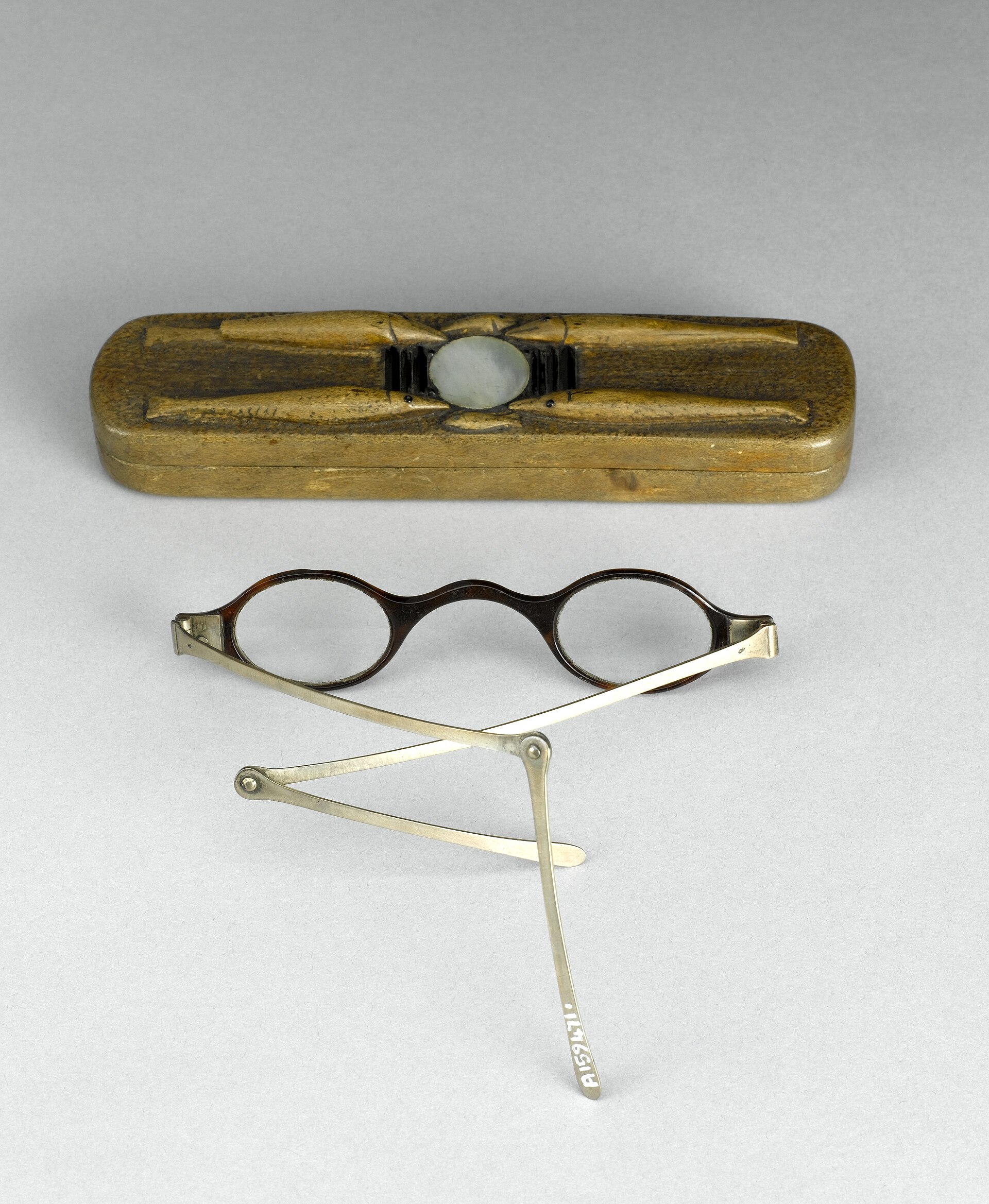
This is what separates a panto frame from a full round frame. Round glasses keep the same curve all the way around; panto frames borrow the top half of that curve and straighten out the bottom. It’s a small structural difference, but it changes how the shape sits against a jawline and how it photographs — panto tends to look less deliberately “vintage-costume” and more like an everyday pair of glasses that happens to have soft edges.

Who does a panto frame suit?
Face-shape guidance for glasses is a set of styling conventions, not a rule of physics — plenty of people override it happily and look better for it. With that caveat, the usual thinking goes like this: panto frames are often suggested for angular faces (square or strongly rectangular jawlines), because the rounded top softens hard lines without adding the full circularity of a round frame.
On rounder or softer faces, the same shape can sometimes blur into the face rather than contrast with it — though a lot depends on size, rim thickness, and how far the frame sits from the cheekbones. A narrower, higher-bridge panto frame tends to hold more definition on a round face than a large, low-set one.
None of this is a fixed law. Some of the most interesting glasses on people happen because they ignored the “flattering” convention entirely. Proportion, colour and how the frame relates to the rest of what someone’s wearing usually matter more than any face-shape chart.
How is a panto frame different from a P3 or round frame?
These three shapes get confused constantly because they all sit in the same rounded family. The distinctions are worth knowing before buying:
- Panto — rounded top, flatter bottom. Asymmetric top-to-bottom.
- Round — a true circle or near-circle, symmetric all the way round. See our full breakdown of what defines a round frame.
- P3 — a slightly squared-off, more angular cousin of the round shape, closer to a soft pentagon than a true circle. Our guide to the P3 frame shape covers where that one comes from.
Side by side, panto sits between them — softer than a P3, less geometrically perfect than a round frame. It’s the shape most likely to be mistaken for either of its neighbours at a glance, which is part of why it’s worth learning to spot the flattened bottom edge specifically.
What materials and rim styles work best?
Panto frames appear across every construction style, but the shape has a particular affinity with acetate. The material’s slight thickness suits the fuller curve of the top edge, and its range of tortoiseshell, horn-effect and solid colours plays into the frame’s heritage association without tipping into pastiche.
Metal panto frames — thin wire rims, sometimes with a keyhole bridge — pull the shape in a more delicate, almost scholarly direction. They read closer to early twentieth-century eyewear and suit a pared-back wardrobe better than a chunkier acetate version would.
Rim construction is worth comparing directly rather than assuming from a photo. A full-rim panto frame holds the shape most clearly and tends to look more substantial. A half-rim or rimless version keeps the rounded top but loses definition at the bottom, which can undercut the exact detail that makes the shape recognisable. For a fuller comparison of what each construction changes in weight, durability and appearance, see the real difference between full rim, half rim and rimless.
What should you check on the frame itself?
Beyond silhouette, a few practical points are worth checking on any panto frame in front of you, regardless of who made it:
- Hinge quality — spring hinges tend to hold shape and fit better over time than rigid ones.
- Bridge fit — panto frames with a keyhole bridge sit differently on the nose than a standard saddle bridge; try both if unsure.
- Temple length and curve — a rounded frame can still sit poorly if the temples don’t match the width of the head.
- Markings inside the temple — most frames carry a small code for size and material. If you’re curious what those numbers mean, this guide to the numbers inside a glasses frame explains how to read them.
If the panto frame is intended for outdoor use with a tinted lens, the same rule applies as with any sunglasses: a dark tint by itself does nothing for the eyes. Darkness without a stated UV rating is worse than no protection at all, because the tint opens the pupil while offering no filter behind it. Look specifically for UV400 or a stated 100% UVA/UVB rating, not for how dark or expensive the lens looks.
Panto frame or something else?
The panto shape earns its long run because it’s genuinely flexible — quiet enough for daily wear, distinctive enough that it doesn’t disappear into a generic rectangle. It’s also easy to confuse with round, P3, and even softened square shapes, so it’s worth looking at the bottom edge specifically before deciding it’s the frame you’re after.
For a wider look at how panto compares with other enduring shapes — round, browline, wayfarer, cat-eye — the Frames & Styles archive lays out each one on its own terms. If sharper, more retro contrast is the goal rather than softness, it’s worth comparing panto against a browline frame or a wayfarer frame, both of which take the face in a more angular direction.
The Designer Glasses publishes general information and style opinion, not professional advice. We are writers and enthusiasts, not opticians, optometrists or dispensing opticians. Nothing here interprets a prescription, recommends a lens power, or tells you whether you need correction — only an eye examination can do that. If your vision changes suddenly, or you have eye pain, flashes, new floaters or halos around lights, treat it as urgent and contact an eye care professional the same day. Sunglasses should carry a stated UV rating: a dark lens without UV filtering is worse than none at all.
Featured image: Photo by Unknown, source, CC BY 4.0