Optyl is a moulded epoxy resin developed in the 1960s as an alternative to acetate, and it’s the material behind much of the vintage eyewear that collectors chase today. It holds colour with unusual depth, resists warping, and has a slight give that lets a frame flex back into shape rather than snap.
What is Optyl actually made from?
Optyl is a thermosetting epoxy resin, not a form of acetate at all, despite looking similar on the shelf. Once heat-cured into shape, it stays that shape permanently, which is the opposite behaviour to the injection-moulded plastics used in most mass-market frames.
The material was developed to solve a specific problem: acetate frames of the era could discolour, dry out, and lose their fit over time. Optyl was pitched as a more stable, more precise alternative — cast in moulds rather than cut from acetate sheet, which meant finer detail and thinner profiles were possible without sacrificing strength. For a deeper look at how standard frame plastics are made, the piece on acetate versus injection-moulded plastic is a useful comparison point.
Why did Optyl become the material of choice in the 1960s and 70s?
Optyl let designers do things acetate at the time struggled with: saturated colour, fine detailing, and frames that held a crisp edge without bulk. It also weighed noticeably less than the acetate blanks available then, which mattered as frame shapes grew larger through the 1970s.
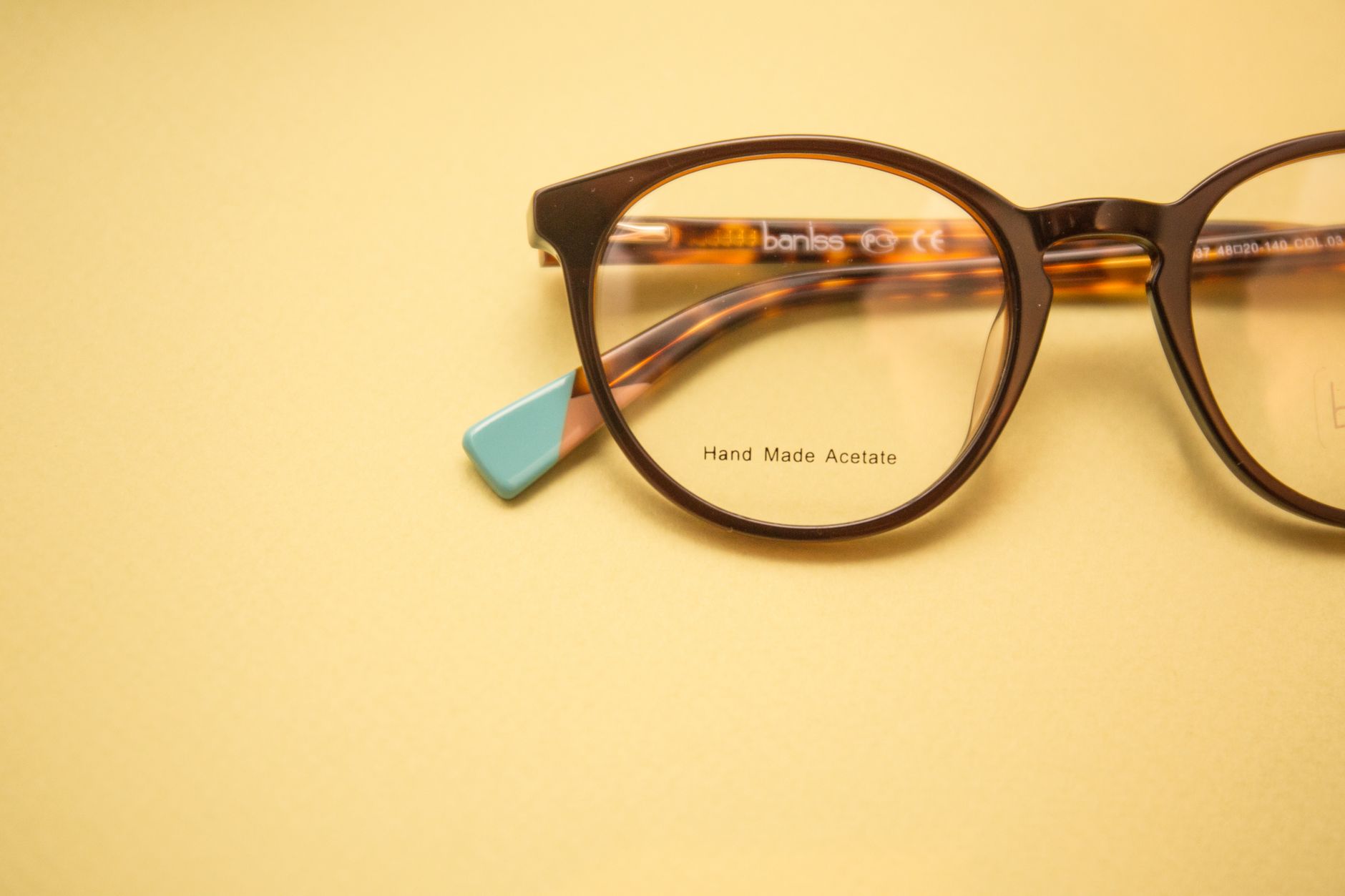
The colour depth is the part people notice first. Because pigment is mixed into the resin before casting rather than applied as a surface layer, Optyl frames can carry a translucency and richness that ordinary plastic doesn’t replicate easily. Amber tortoiseshells, deep wine reds, and layered two-tone effects from this era still look distinct from anything made since. That colour behaviour is one reason the material sits so firmly under materials and craft as a topic of its own, separate from generic “vintage plastic” framing.
There’s also a practical reason opticians of the time liked it: Optyl has genuine shape memory. Warm a distorted temple gently and it will largely return to its moulded form, rather than staying bent the way acetate does once forced out of shape.
Why do collectors specifically care about Optyl frames now?
Collectors care because Optyl frames from the 1960s through 1980s have generally aged better than their acetate contemporaries — resisting the yellowing, shrinkage, and brittleness that make so much vintage plastic eyewear unwearable today. A well-kept Optyl frame from that period can still fit and flex close to how it did when new.
That durability changes what “vintage” means in practice. A lot of vintage acetate has become effectively decorative — too fragile to trust on the face for long. Genuine Optyl from the right era is often still structurally sound, which is why it shows up specifically in collector circles rather than just general secondhand listings. It’s less about nostalgia for a decade and more about material performance that happened to be ahead of its time.
Shape is part of it too. Optyl’s casting process suited the era’s move toward bolder, more sculptural frames — thick brow lines, sharp cat-eye points, oversized panto shapes — details that are harder to reproduce cheaply with modern injection moulding. Anyone drawn to that period’s silhouettes will find plenty to compare in the frames and styles archive.
How can you tell Optyl from acetate when looking at an old frame?
There’s no single foolproof visual test, but a few things are worth checking together rather than relying on any one sign.
- Weight: Optyl frames tend to feel lighter than an acetate frame of the same apparent thickness.
- Flex: gentle warmth (never force) should let a slightly bent Optyl temple ease back toward its original shape.
- Colour: look for saturation that seems to run through the material rather than sit on the surface.
- Markings: many original Optyl frames carry manufacturer stamps inside the temple referencing the material or a production code, which is worth reading alongside the general guide to what those inside-temple numbers mean.
None of this replaces having someone experienced with vintage frames look the piece over before buying, particularly for anything priced as a genuine period piece rather than a modern reissue.
Does buying an Optyl frame mean giving anything up in comfort or fit?
Not inherently, but old stock comes with old proportions, and older frames were sometimes fitted to face shapes and bridge widths that don’t match every wearer today. That’s a fit question, not a material one — the same considerations that apply to any frame, covered in more general terms in the piece on what makes a frame comfortable over a full day.
Adjustment is where Optyl behaves differently from acetate, and it’s worth knowing before handing an old frame to just anyone. Because it’s thermoset rather than thermoplastic, it needs different heat handling than modern acetate — too much force without the right warmth can crack it rather than bend it. Anyone considering adjustments to a genuinely old Optyl piece should read what can and can’t be adjusted on glasses first, and ideally have the work done by someone who has handled vintage material before rather than treating it like a current acetate frame.
Is Optyl only relevant to collectors, or does it show up in new frames too?
Some manufacturers still produce frames in Optyl or Optyl-like epoxy resins today, generally marketed on the same durability and colour points that made it notable originally. It hasn’t displaced acetate as the industry default, but it hasn’t disappeared either.
For most people shopping for new eyewear, the material question is less “is this Optyl” and more a matter of comparing construction generally — how a frame is built, what it’s made from, and how that shows up in weight and colour. The explainers on what acetate is and why it’s still used and on laminated acetate construction cover the modern equivalents of the same questions Optyl was originally answering: how to get depth of colour and a shape that holds.
What should a collector actually look for beyond the material itself?
Material condition matters, but so does everything else that determines whether an old frame is wearable rather than just displayable. Hinge wear, lens fit within the rim, and whether the frame has been reglazed at some point all affect how it performs day to day, not just how it looks in a case.
It’s also worth remembering that an interesting vintage shape doesn’t obligate anyone to wear it exactly as found. Bold or oversized silhouettes from this era don’t suit every face by the conventional styling rules, and that’s fine — those rules are starting points, not requirements, a point covered more fully in the discussion of whether face-shape rules for glasses actually hold up. A collector piece bought for its material and history can be reglazed, adjusted, or simply appreciated on a shelf; none of those outcomes require pretending it was designed with a modern face in mind.
Is Optyl worth seeking out, or is the appeal mostly nostalgia?
The appeal is genuinely material, not just sentimental — Optyl frames from the right period have held their shape and colour in a way most contemporaries haven’t, which is a real, checkable difference rather than a marketing story. That’s a reasonable basis for collector interest on its own.
Where it becomes a styling decision is everything after that: whether the shape suits the wearer, whether the fit needs adjusting, whether it’s going into daily use or staying as an object of interest. Those questions sit alongside any other frame decision, and the same general standards apply — proportion, construction, and how the piece actually sits on a particular face, all of which get their own treatment across the wider materials and craft coverage on this site.
The Designer Glasses publishes general information and style opinion, not professional advice. We are writers and enthusiasts, not opticians, optometrists or dispensing opticians. Nothing here interprets a prescription, recommends a lens power, or tells you whether you need correction — only an eye examination can do that. If your vision changes suddenly, or you have eye pain, flashes, new floaters or halos around lights, treat it as urgent and contact an eye care professional the same day. Sunglasses should carry a stated UV rating: a dark lens without UV filtering is worse than none at all.