Octagonal Frame vs Hexagon: Why More Sides Reads Softer

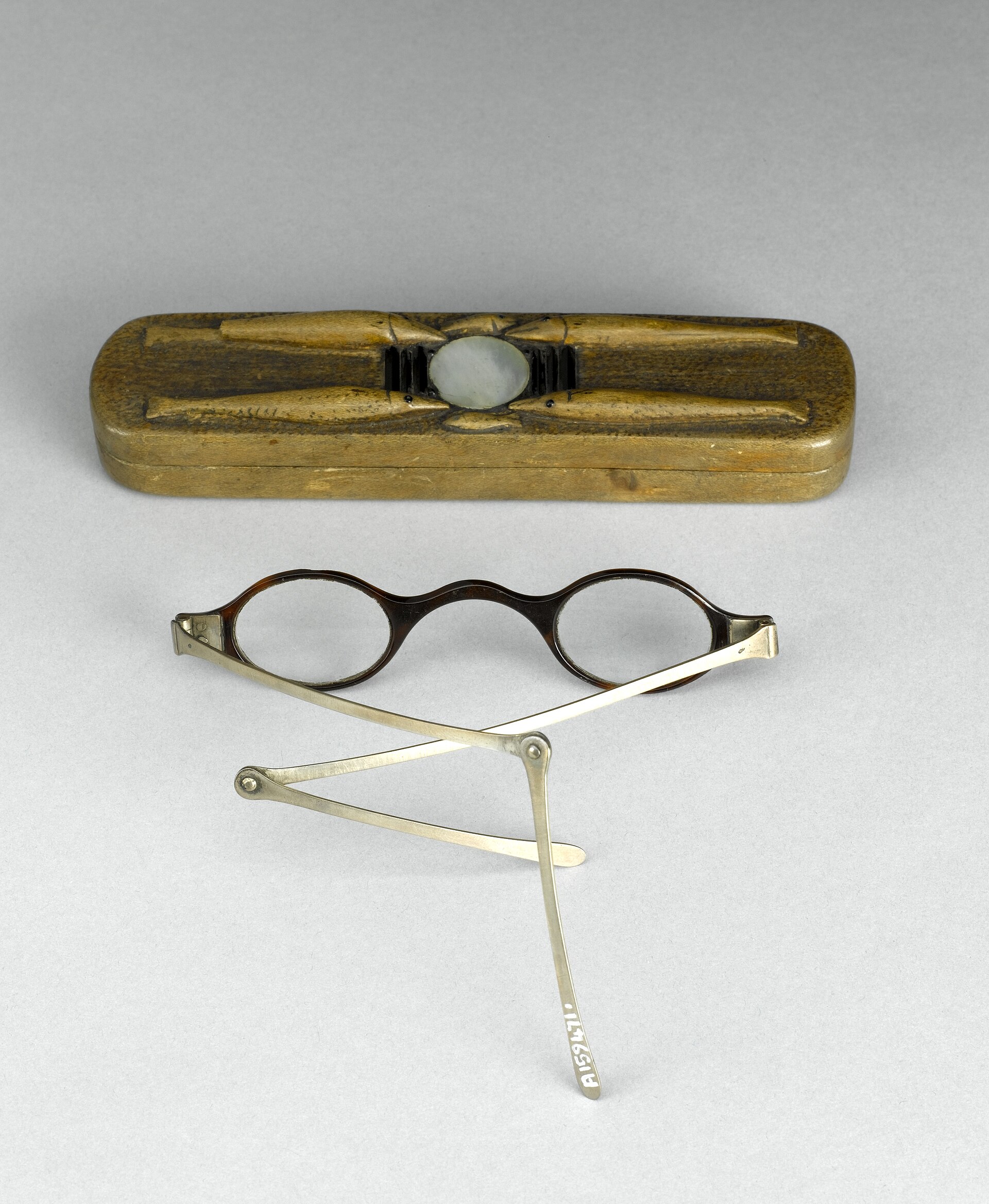
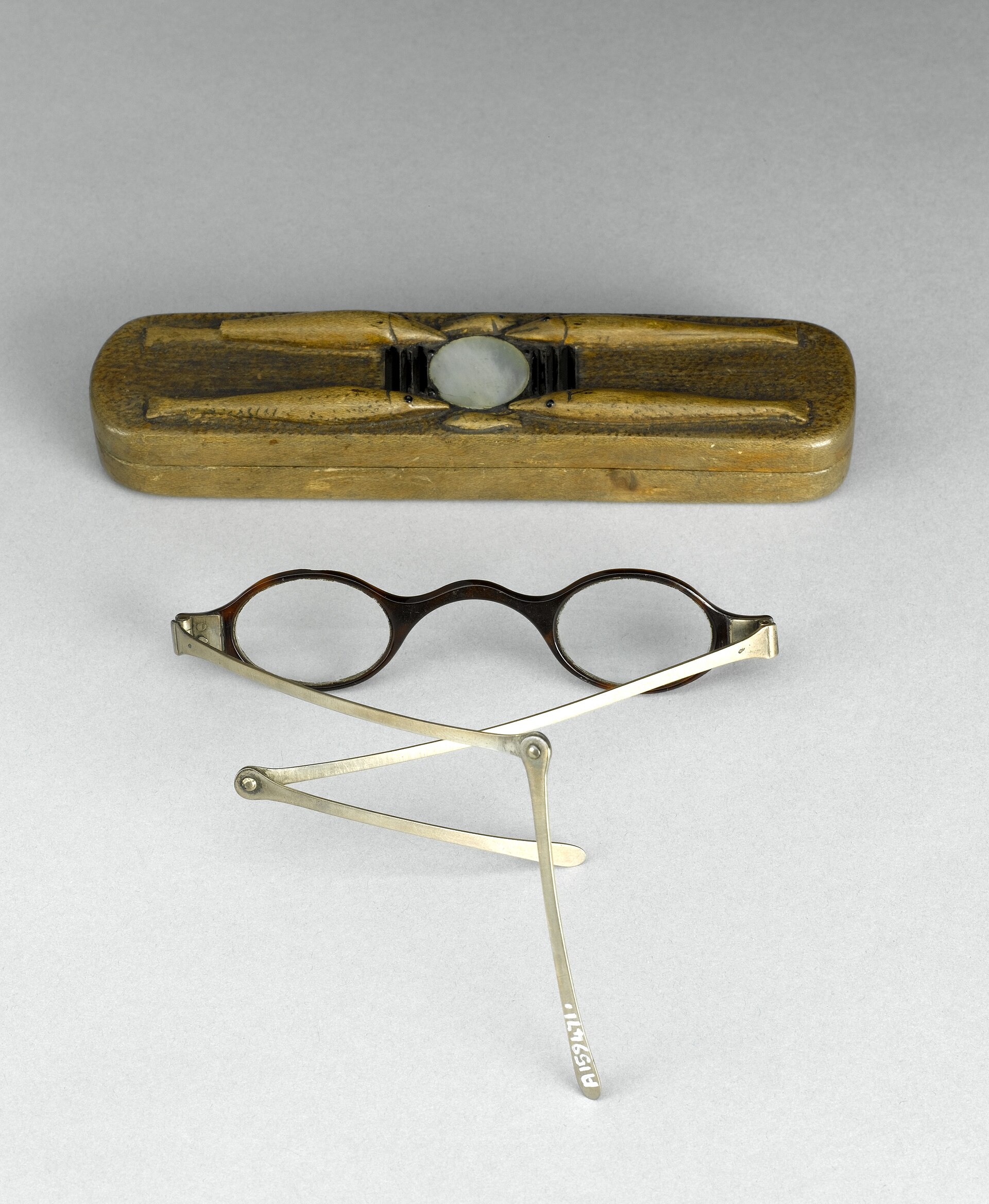
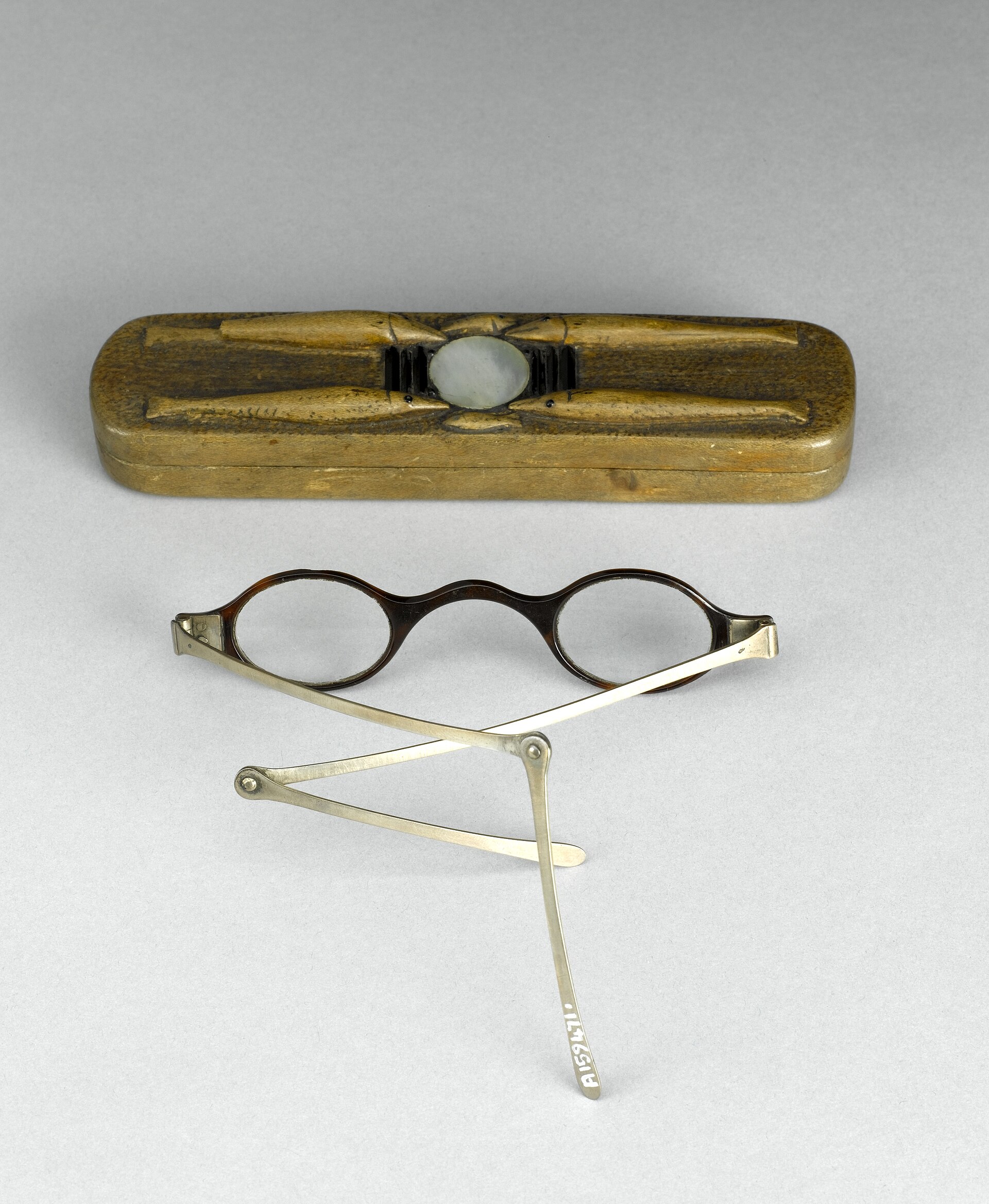
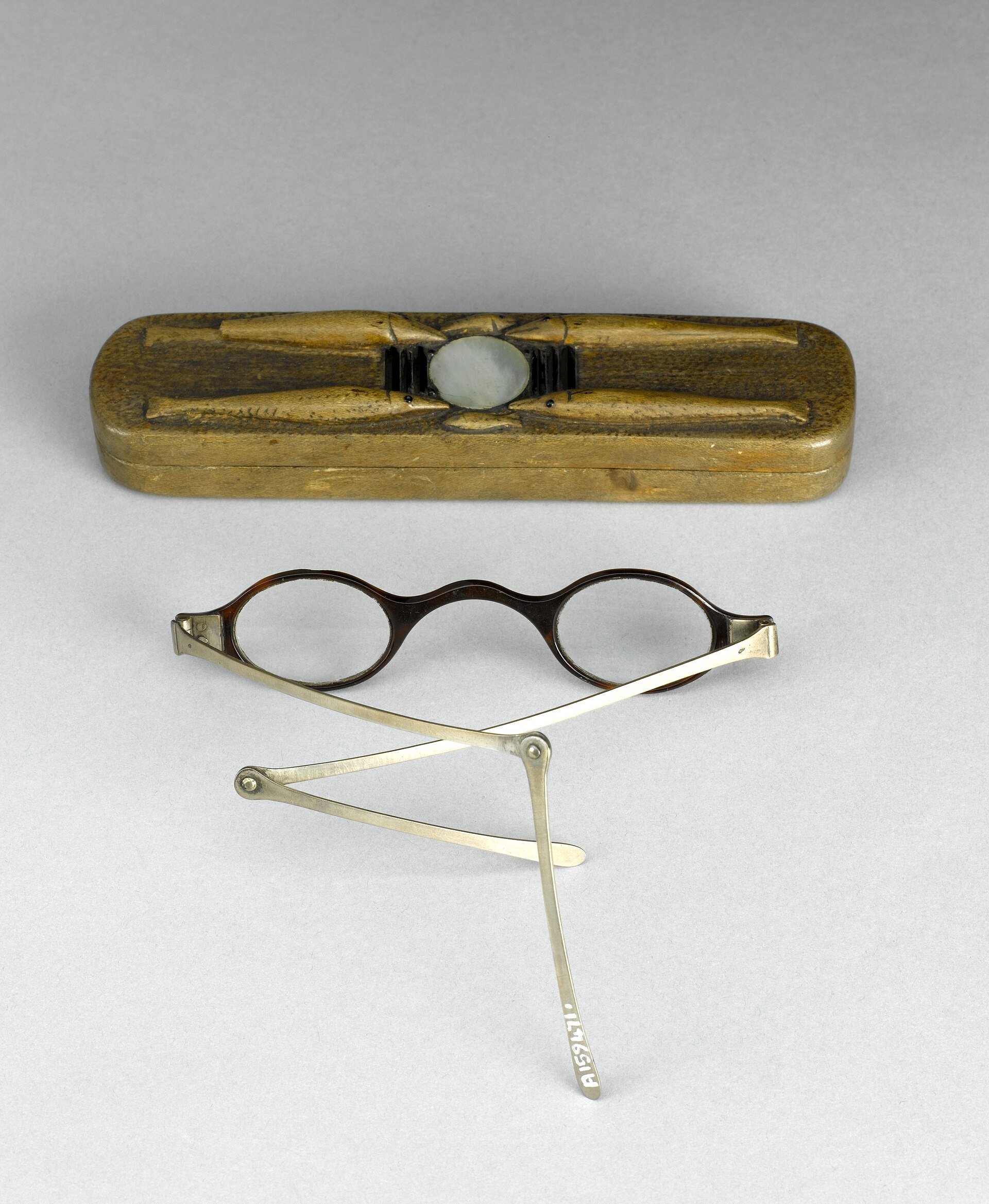
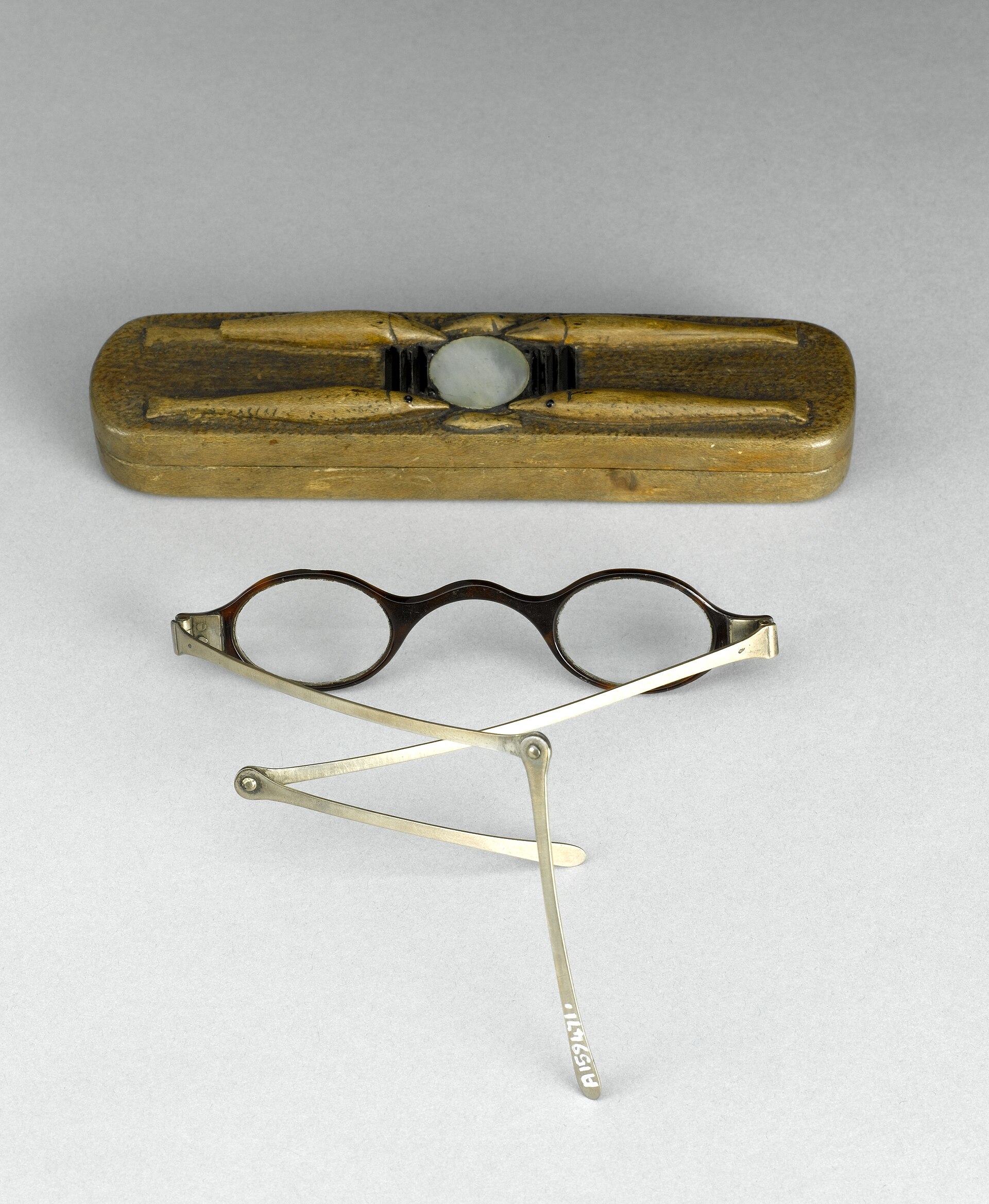
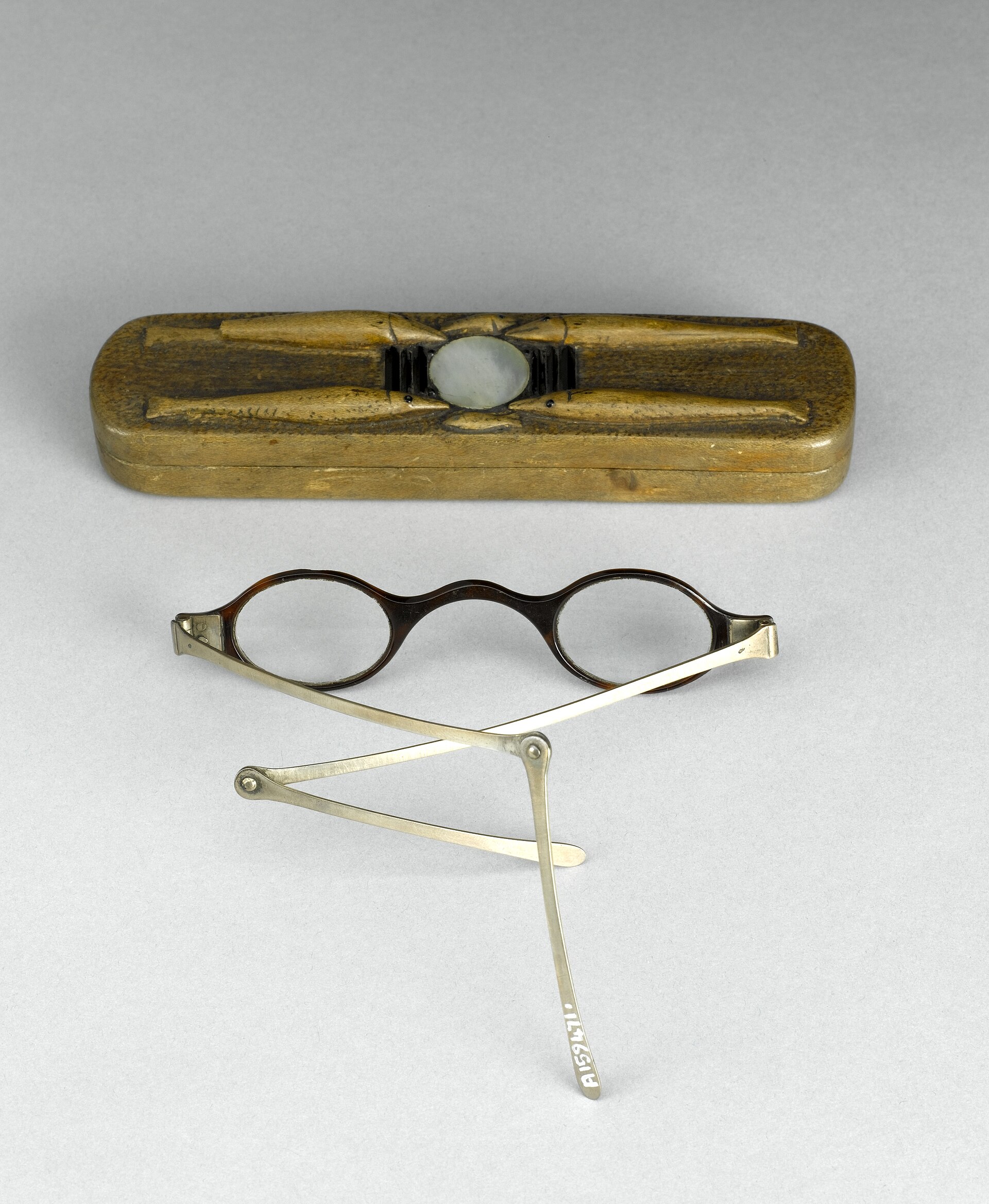
Turn pin spectacles, tortoiseshell frames, silver arms, hall Wellcome L0057637.jpg — illustrating Octagonal Frame vs Hexagon: Why More Sides Reads Softer

An octagonal frame has eight straight sides instead of the usual oval or round outline. It sounds more angular than a hexagon on paper. In practice it reads softer, because each added side pushes the shape closer to a circle. More corners, paradoxically, means less geometry visible to the eye. What makes a frame “octagonal”? … Read more

What Is a Combination Frame, and Why Mix Metal With Acetate?

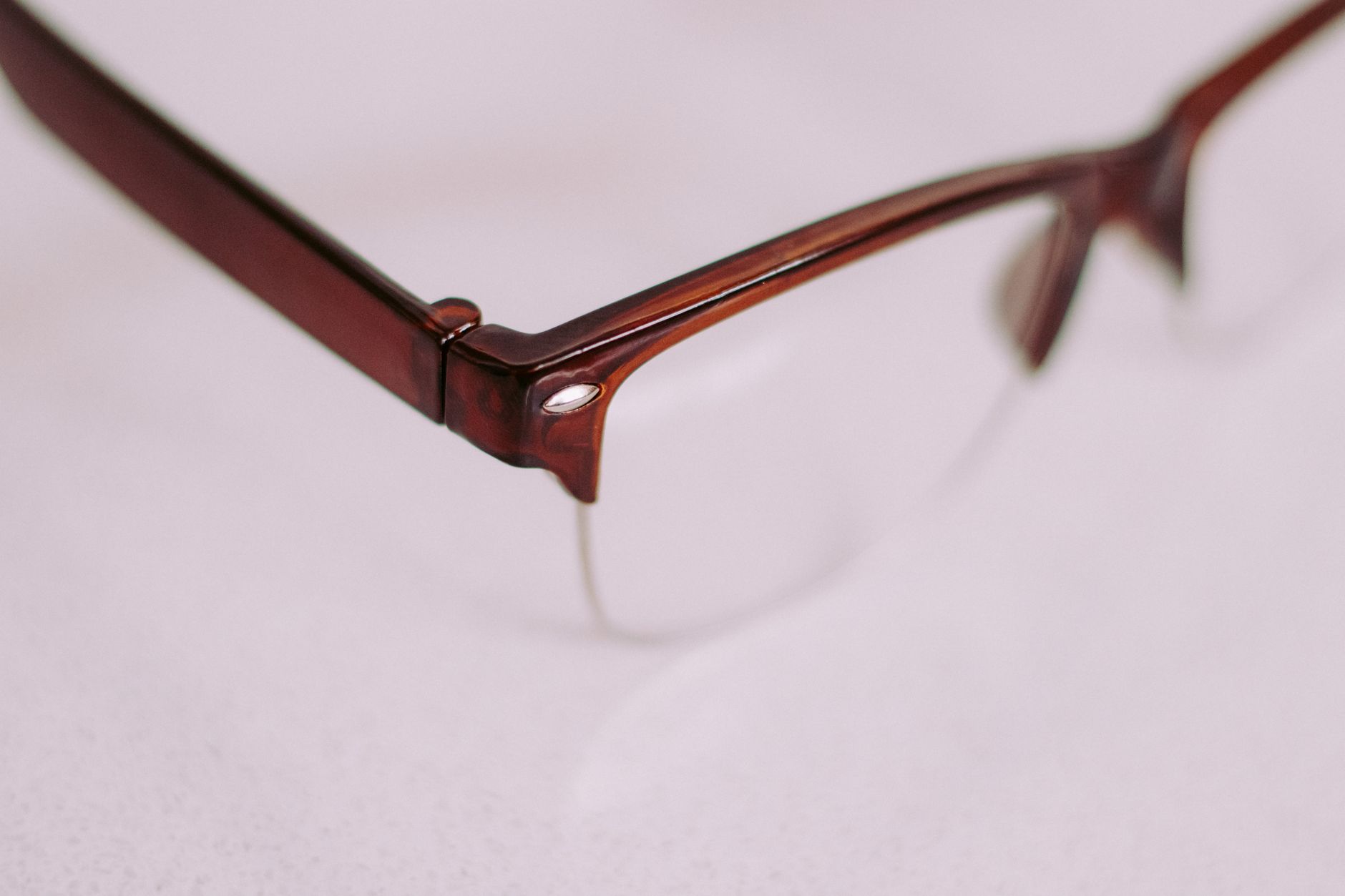
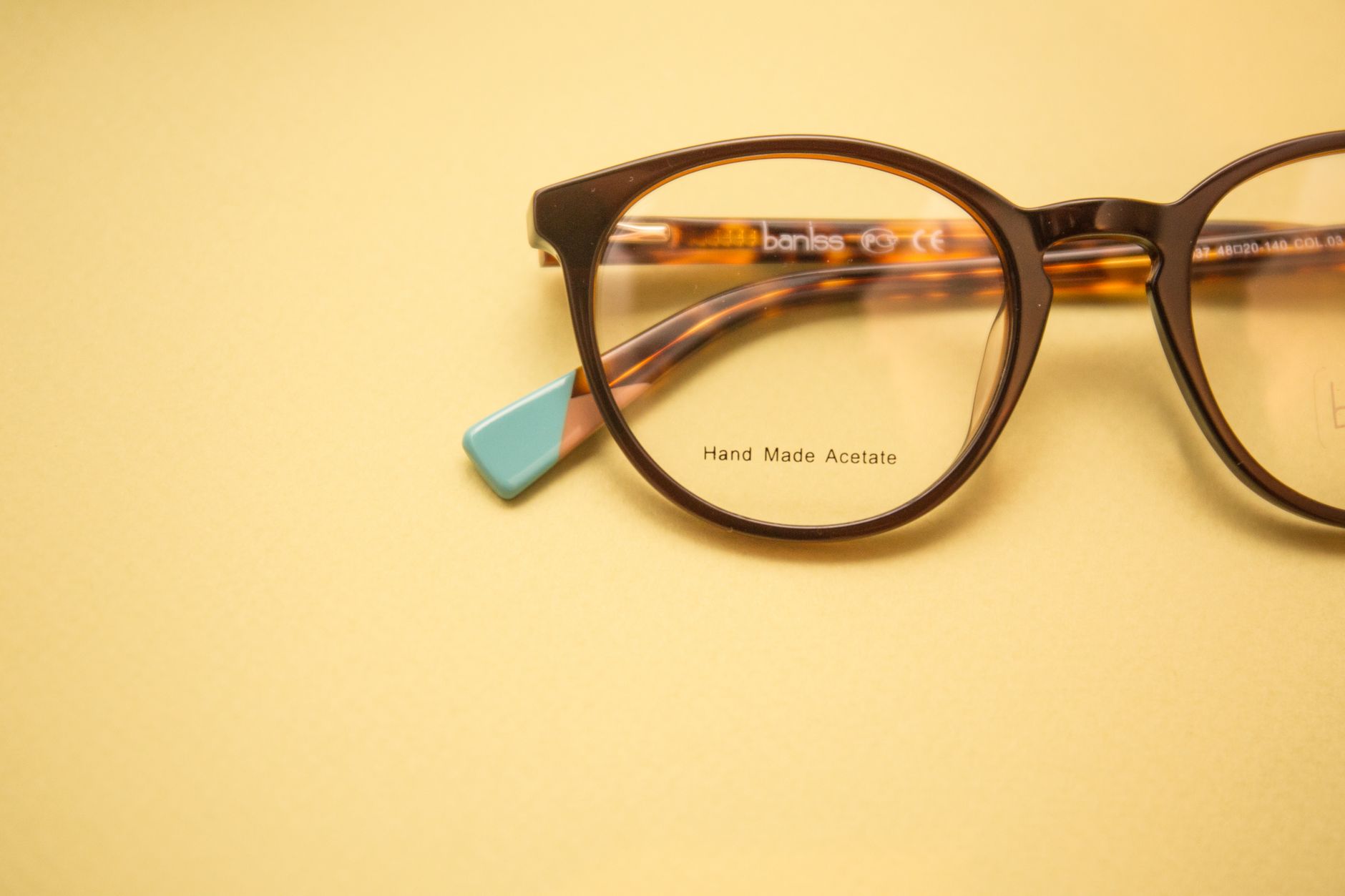
Close-up of handmade acetate brown eyeglasses on a yellow surface, modern design. — illustrating What Is a Combination Frame, and Why Mix Metal With Acetate?

A combination frame is one built from two materials rather than one — almost always metal and acetate, working together instead of competing. The metal usually forms the rim edge, bridge or temple core; the acetate wraps the front or shapes the temple tips. Designers mix them because each material does something the other cannot: … Read more

About what you read here. Everything on The Designer Glasses is general information and our own editorial opinion. We research carefully and we say when the evidence is unclear, but we can be wrong, things change, and no article can know your particular situation. Please do your own research and make your own judgement rather than treating anything here as the final word. This is not medical advice, not a diagnosis, and not a substitute for speaking to an optometrist, optician or eye doctor about your own eyes, vision and eyewear. We are writers and researchers, not clinicians. We do not recommend prescription treatments or give doses. If something is painful, getting worse, or worrying you, please talk to a professional — going early is not an overreaction.