Where Did the Tortoiseshell Pattern on Glasses Come From?

An expressive close-up portrait of a woman adjusting her eyeglasses, conveying contemplation. — illustrating Where Did the Tortoiseshell Pattern on Glasses Come From?

The tortoiseshell pattern on glasses comes from an actual material: the mottled brown-and-amber shell of the hawksbill sea turtle, prized for centuries in combs, buttons and eyewear before international trade bans made it illegal. What survives today is acetate designed to mimic that same marbled effect, without the turtle. Was tortoiseshell really made from a … Read more

What Defined 1980s Eyewear Design? Bold Shapes Explained

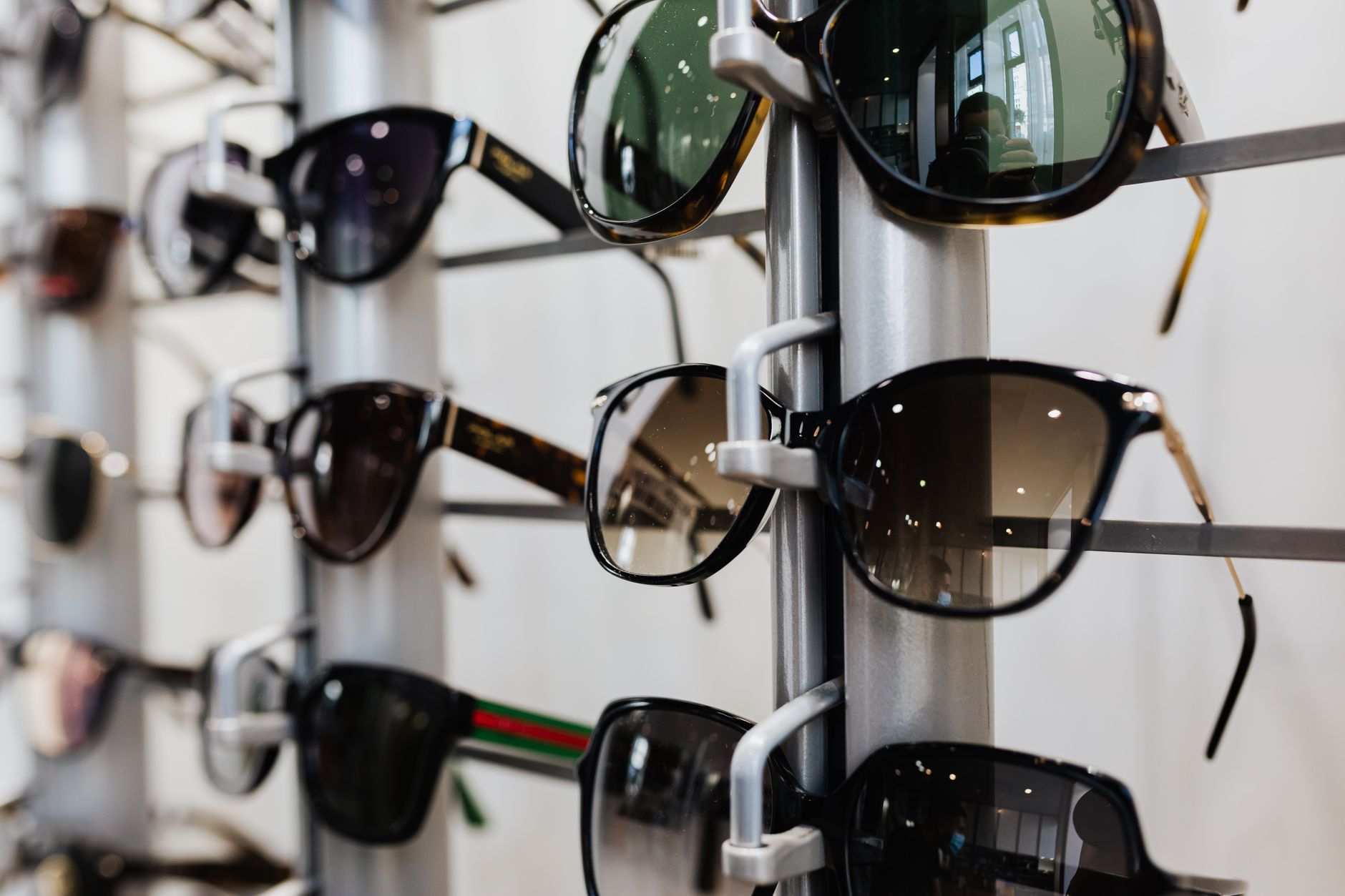
Two stylish women posing with sunglasses and colorful scarves indoors. — illustrating What Defined 1980s Eyewear Design? Bold Shapes Explained

1980s eyewear design was defined by scale, colour and visibility. Frames grew bigger, shapes turned geometric rather than round, plastic overtook metal as the material that mattered, and glasses stopped hiding on the face and started announcing themselves — often carrying a designer’s name where no name had been before. What made 1980s frames look … Read more

What Makes Independent Eyewear Different From Big Brands?

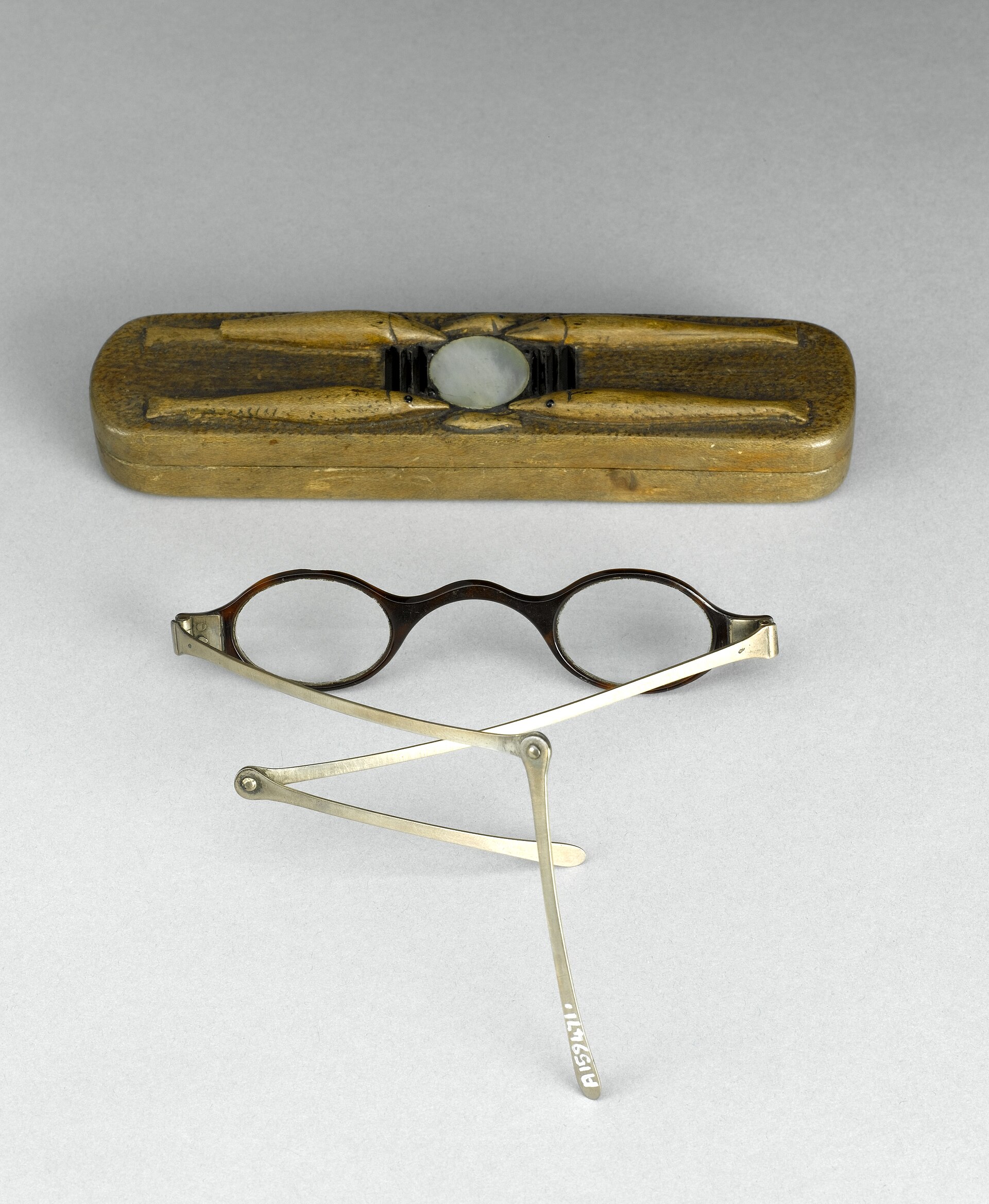
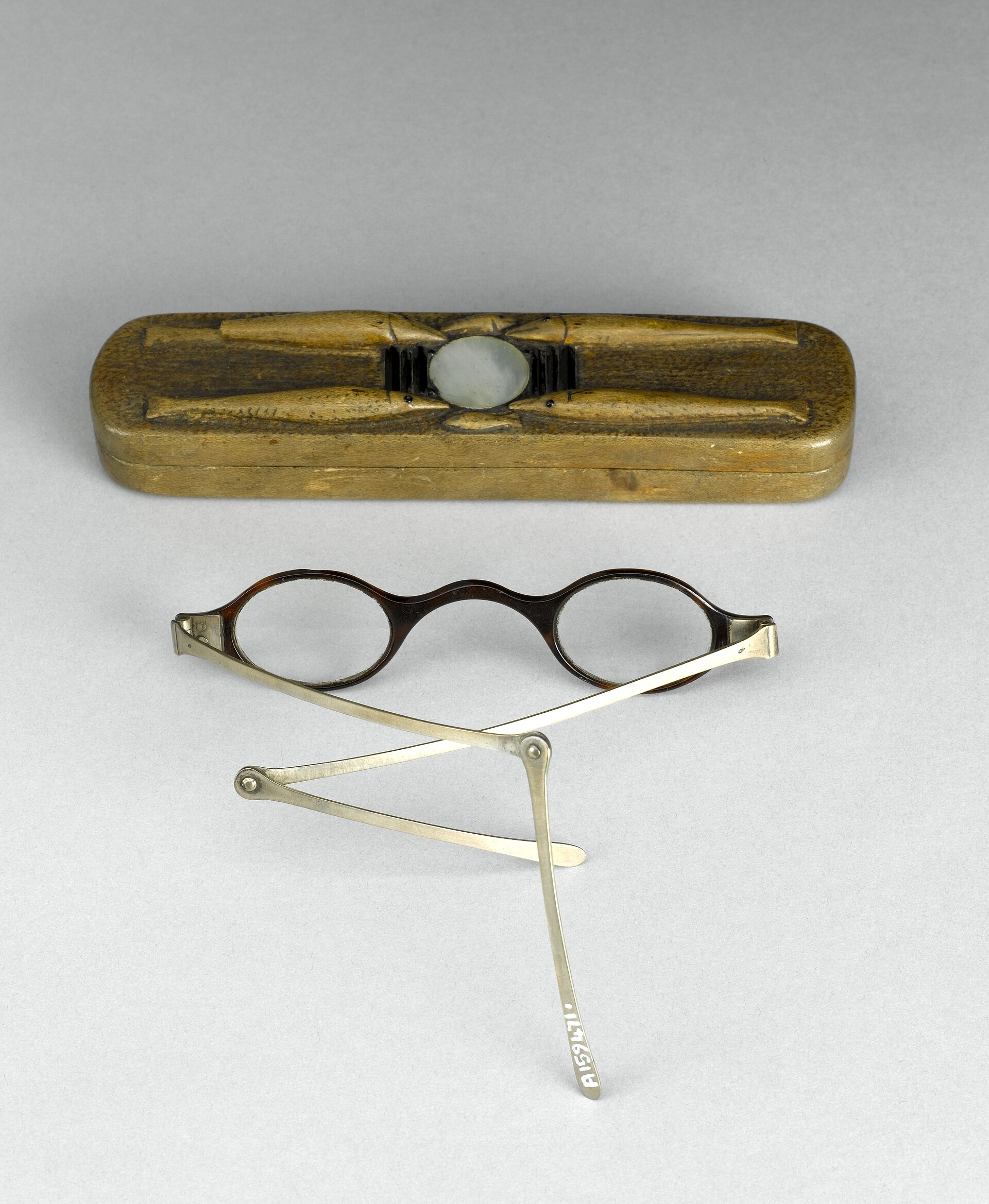
Turn pin spectacles, tortoiseshell frames, silver arms, hall Wellcome L0057637.jpg — illustrating What Makes Independent Eyewear Different From Big Brands?

Independent eyewear is designed and usually owned by the people whose name is on it, made in smaller runs with more say over shape, colour and material. Mainstream brands are largely licensed names — a fashion house’s logo applied to frames designed and manufactured by a separate eyewear company working across dozens of labels at … Read more

About what you read here. Everything on The Designer Glasses is general information and our own editorial opinion. We research carefully and we say when the evidence is unclear, but we can be wrong, things change, and no article can know your particular situation. Please do your own research and make your own judgement rather than treating anything here as the final word. This is not medical advice, not a diagnosis, and not a substitute for speaking to an optometrist, optician or eye doctor about your own eyes, vision and eyewear. We are writers and researchers, not clinicians. We do not recommend prescription treatments or give doses. If something is painful, getting worse, or worrying you, please talk to a professional — going early is not an overreaction.