How Did Glasses Go From Medical Device to Accessory?

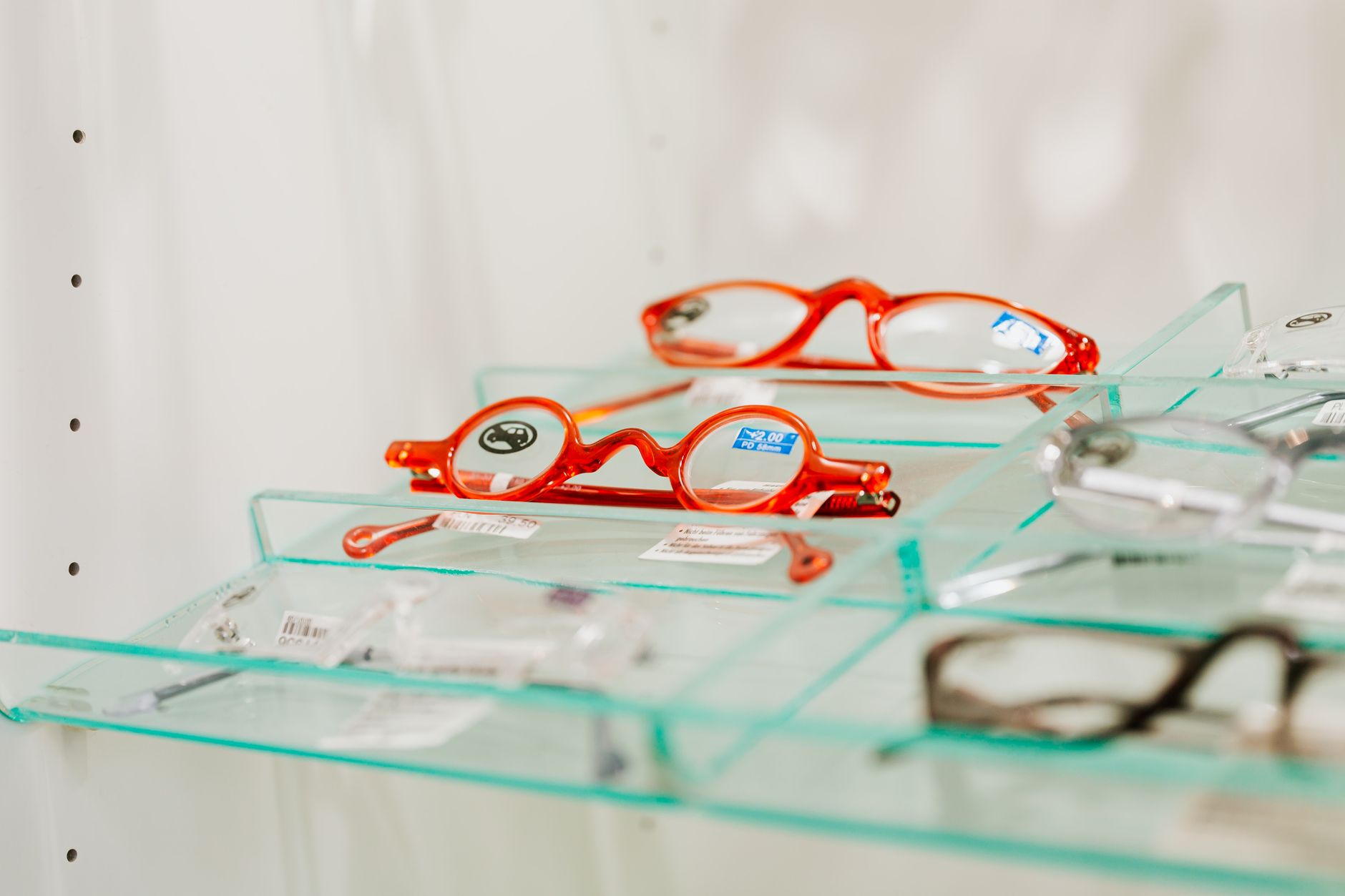
Stylish red eyeglasses displayed on a glass shelf in an eyewear store. — illustrating How Did Glasses Go From Medical Device to Accessory?

Glasses went from medical device to accessory once frame design stopped following the eye chart and started following fashion. Cinema gave certain shapes glamour, plastics let colour and silhouette become the point, and by the mid-twentieth century brands realised a frame could sell on how it looked, not just what it corrected. The lens is … Read more

Where Did the Tortoiseshell Pattern on Glasses Come From?

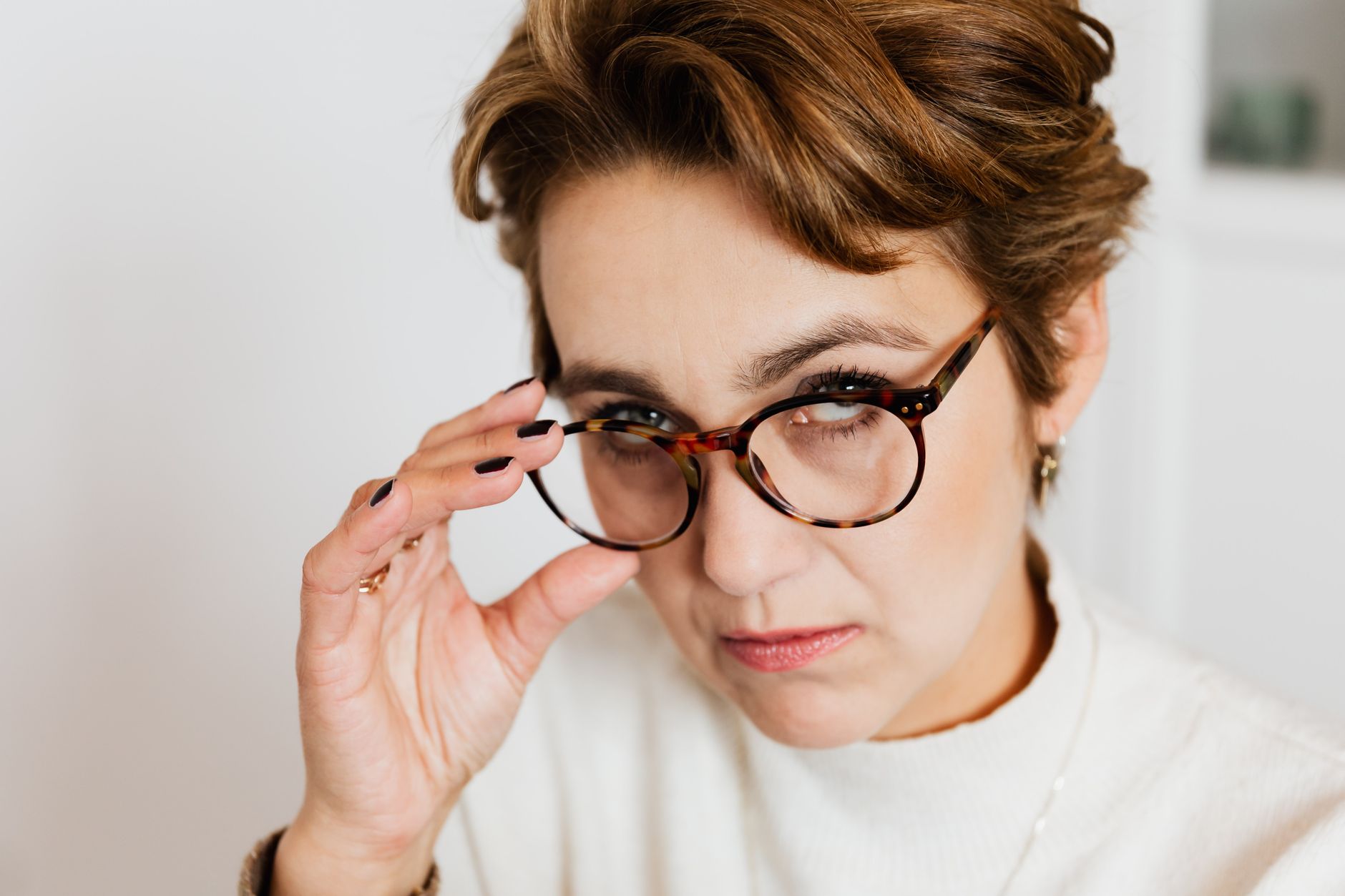
An expressive close-up portrait of a woman adjusting her eyeglasses, conveying contemplation. — illustrating Where Did the Tortoiseshell Pattern on Glasses Come From?

The tortoiseshell pattern on glasses comes from an actual material: the mottled brown-and-amber shell of the hawksbill sea turtle, prized for centuries in combs, buttons and eyewear before international trade bans made it illegal. What survives today is acetate designed to mimic that same marbled effect, without the turtle. Was tortoiseshell really made from a … Read more

What Defined 1980s Eyewear Design? Bold Shapes Explained

Two stylish women posing with sunglasses and colorful scarves indoors. — illustrating What Defined 1980s Eyewear Design? Bold Shapes Explained

1980s eyewear design was defined by scale, colour and visibility. Frames grew bigger, shapes turned geometric rather than round, plastic overtook metal as the material that mattered, and glasses stopped hiding on the face and started announcing themselves — often carrying a designer’s name where no name had been before. What made 1980s frames look … Read more

About what you read here. Everything on The Designer Glasses is general information and our own editorial opinion. We research carefully and we say when the evidence is unclear, but we can be wrong, things change, and no article can know your particular situation. Please do your own research and make your own judgement rather than treating anything here as the final word. This is not medical advice, not a diagnosis, and not a substitute for speaking to an optometrist, optician or eye doctor about your own eyes, vision and eyewear. We are writers and researchers, not clinicians. We do not recommend prescription treatments or give doses. If something is painful, getting worse, or worrying you, please talk to a professional — going early is not an overreaction.